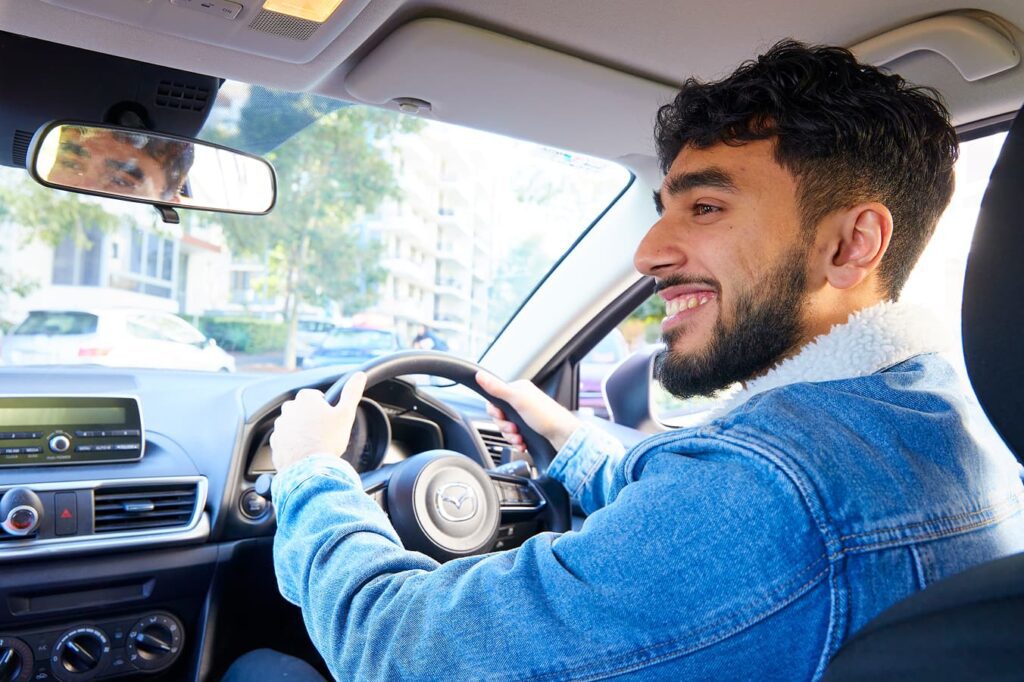
Learning how to control your steering and speed when driving is one of the most important skills for safe driving. Maintaining control over the car at all times reduces risk, improves confidence, and helps you react calmly to unexpected situations.
Whether you are preparing for your driving test or simply want to refine your technique, mastering your steering wheel control and speed control makes a significant difference to safety.
Why Steering And Speed Control Matter
Your steering and speed work together. Poor steering at high speed reduces stability, and incorrect speed when turning increases the risk of skidding or overcorrecting. Safe driving means matching your steering input to your speed and road conditions.
In Sydney traffic, vehicles often stop abruptly. Keeping a safe following distance gives you time to brake smoothly rather than react with emergency braking.
Correct Hand Positioning On The Steering Wheel
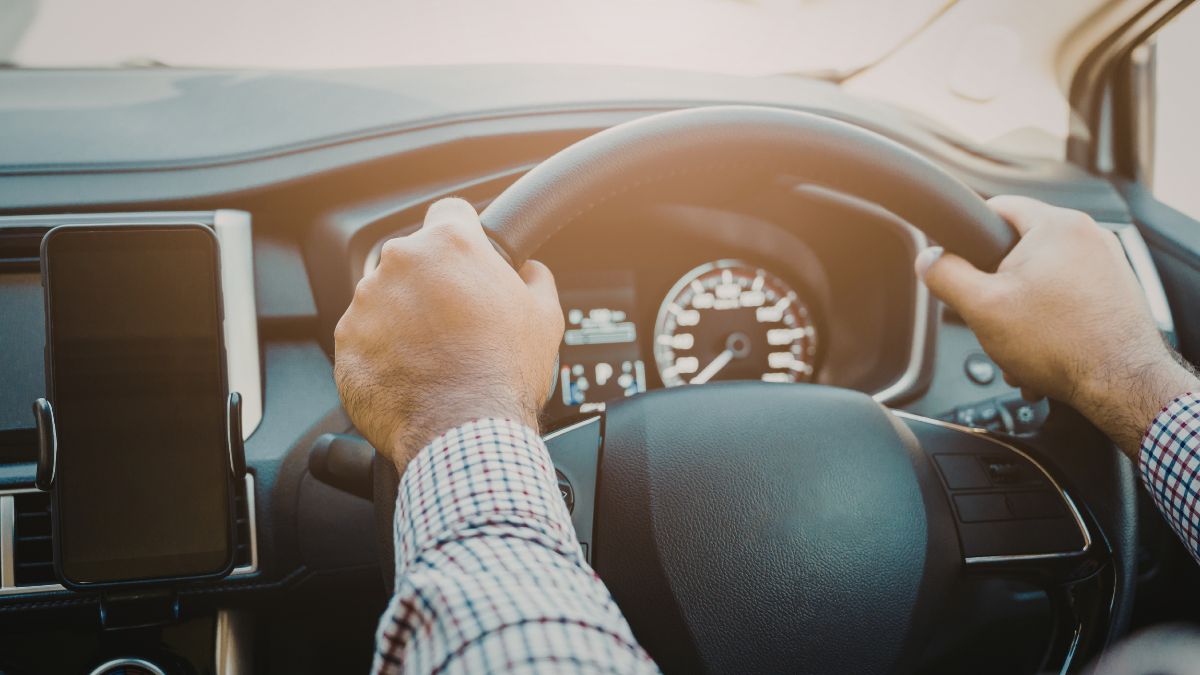
Holding the steering wheel properly is crucial if you want to steer your car properly while it is in motion. The conventional hand positioning is either 9 and 3 or 10 and 2.
- 9 and 3 provides strong control and works well with modern airbags.
- 10 and 2 can still be used, particularly when reversing or manoeuvring slowly.
Modern quick-ratio steering racks allow up to 120 degrees of steering from the 9 and 3 position without moving your hands, which improves stability.
Avoid clenching the steering wheel too tightly. A relaxed grip reduces fatigue and helps you feel feedback from the road through the wheel properly.
Push-Pull Vs Hand-Over-Hand Steering
There are two recognised methods for steering:
Push-Pull Technique
The push-pull method is commonly taught in driving lessons. To steer left, loosen your right hand and pull the steering wheel down while your left hand pushes upward. Reverse this motion for right turns. This method prevents crossing hands and improves airbag safety.
Hand-Over-Hand Technique
The hand-over-hand method allows tighter manoeuvres such as parallel parking or U-turns. It can provide greater rotation, but should be used carefully and at low speeds.
Your driving instructor will teach you when to use each technique.
How To Steer When Driving Fast
When driving at higher speeds, steering inputs should be small and smooth. Do not rotate the steering wheel excessively. Slight adjustments are enough to maintain direction.
The speed of your hands should match the speed of the vehicle. Sudden or exaggerated movements at high speed can unsettle the car.
Use the “slow-in, fast-out” approach for corners. Brake before entering the turn, maintain steady steering through the bend, and accelerate gently on exit.
How To Control Your Speed Properly
Speed control is not just about staying under the speed limit. It is about choosing an appropriate speed for the conditions.
- Observe speed limits carefully, especially where Sydney residential zones are now 40 km/h and some high-pedestrian areas are 30 km/h.
- Increase following distance in wet weather.
- Use two-stage braking: ease onto the brake, then increase pressure smoothly.
- Anticipate traffic lights and hazards early rather than braking late.
Making early decisions about slowing down gives you more control and prevents harsh braking.
Technology can also help. Intelligent Speed Assist systems or the NSW Speed Adviser app alert you when entering school zones or exceeding limits.
Mirror Checks And Awareness
Steering and speed control depend on awareness. Always check your side and rearview mirrors regularly.
Understanding blind spot awareness is critical when changing lanes or turning.
When reversing, start with hands at 9 and 3 or 10 and 2 and check mirrors before moving. Never steer blindly.
Common Steering And Speed Errors
Many drivers lose marks on their driving test due to poor steering or incorrect speed control. These include:
- Oversteering or correcting too aggressively
- Braking late into corners
- Failing to adjust speed in school zones
- Not maintaining consistent lane position
These mistakes often appear in steering and speed errors during driving tests.
Practise In A Controlled Environment
Practising in a quiet car park helps build muscle memory. Focus on smooth steering input, relaxed grip, and gradual braking.
Repeat tight turns, U-turns, and straight-line control at low speed before practising in heavier traffic. Consistent practice improves both steering accuracy and speed judgement.
Frequently Asked Questions
How to control steering while driving?
Hold the steering wheel at 9 and 3 or 10 and 2, use the push-pull technique for most turns, and make smooth, controlled movements. Avoid gripping too tightly and match your hand speed to your vehicle speed.
How do you control your speed while driving?
Control your speed by observing limits, maintaining a safe following distance, braking smoothly, and anticipating hazards early. Adjust speed based on traffic, weather, and road conditions.
Do you put your hands at 10 and 2 or 9 and 3?
Both positions are correct, but 9 and 3 is generally recommended for better airbag safety and modern steering systems.
How to steer when driving fast?
Use small, gentle steering inputs. Avoid sharp rotations of the steering wheel and reduce speed before entering corners to maintain stability.
Build Confident Steering And Speed Control With Professional Guidance
Developing smooth steering and precise speed control takes structured practice. Professional driving lessons allow you to refine hand positioning, braking techniques, and hazard anticipation with real-time feedback from experienced instructors.
For learner drivers in NSW, the Safer Drivers Course strengthens hazard perception, low-risk driving techniques, and defensive decision-making, helping you become a more controlled and confident driver.