Ask any manual driver and they will tell you that driving a car with a manual gearbox feels different. You are more involved, more aware, and more in tune with the vehicle. While automatic transmissions are now common in many new cars, learning how manual driving works can still make you a better driver overall.
Manual cars require you to think about gears, speed, and engine performance together. That extra engagement behind the wheel can improve your driving skills, build confidence, and even open doors to work and travel opportunities that might not be available if you only drive automatics.
Manual Driving Sharpened Your Awareness And Control
When you drive a manual car, you cannot simply put the car in drive and go. You have to coordinate clutch control, gear changes, and road position. This makes you pay closer attention to what is happening around you and how the car is responding.
You learn to listen to the engine, feel the bite point of the clutch, and judge when to shift gears for different speeds and road conditions. This increased awareness often carries across when manual drivers switch to automatic vehicles, because they are used to reading the road and planning ahead.
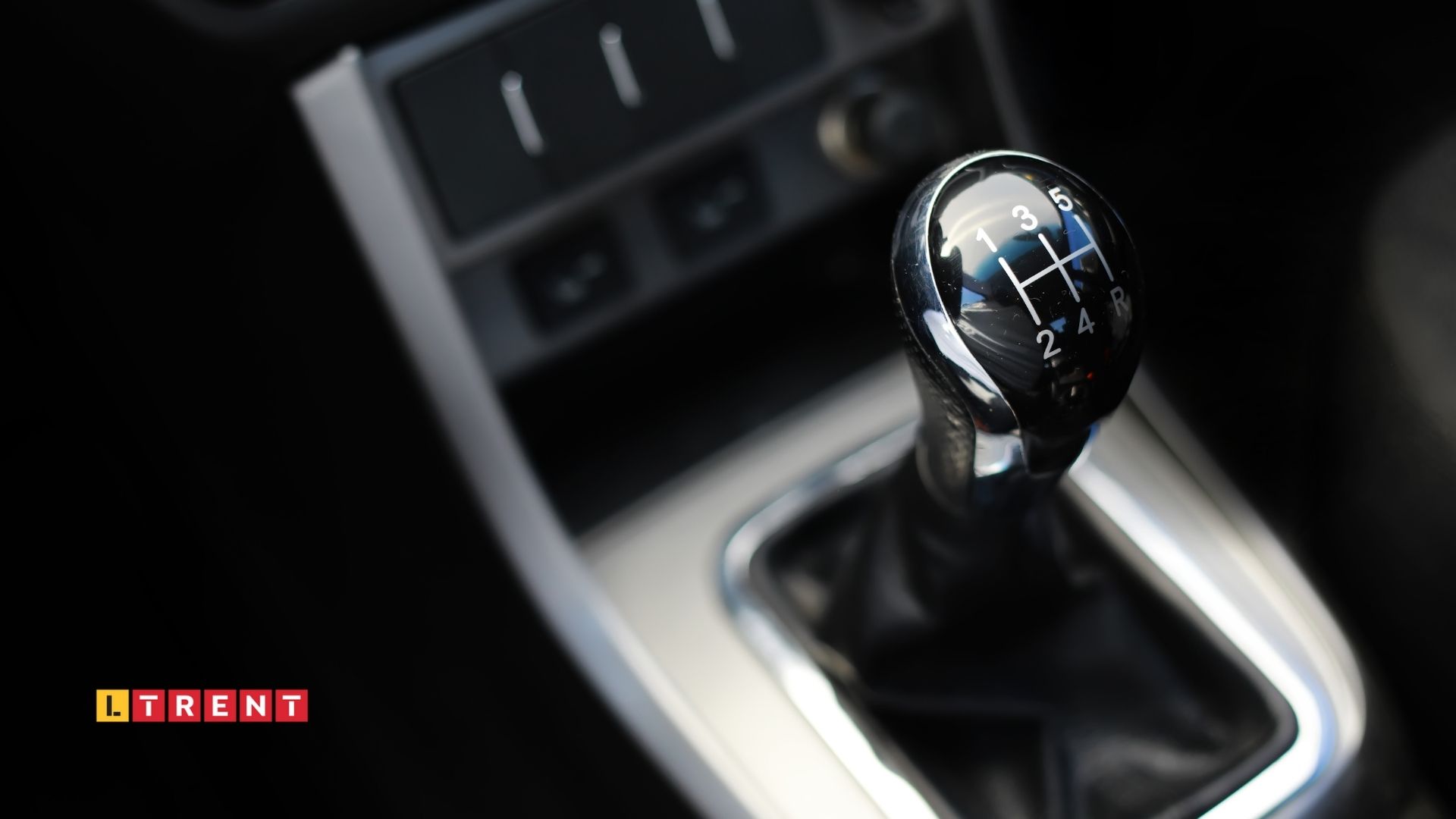
Manual transmission drivers also tend to have better control in tricky situations. On steep hills, in heavy traffic or on wet roads, being able to select the right gear yourself can give you a sense of stability that is not always there in an automatic. You are less likely to rely on the car to do the thinking for you, and more likely to understand what the car needs.
Manual Driving Improves Your Driving Skills
Manual driving demands more skill from the driver, especially when starting out. You have to manage three pedals, coordinate your left foot and right hand, and keep your eyes on the road at the same time. That sounds complicated at first, but it can make you a more capable driver in the long term.
Skills that manual drivers develop include:
- Clutch control for smooth starts and hill starts
- Accurate timing when changing gears
- Stronger anticipation of traffic flow and speed changes
- Better understanding of how speed, gear choice, and engine performance are linked
Because manual driving requires more attention, many drivers find they are less tempted to drift into distraction. It is harder to check your phone or switch off mentally when you are actively operating the gearbox. This can support safer habits even when you later drive an automatic car.
If you are still deciding whether manual is right for you, it can help to understand how both options compare in detail. Our guide on manual vs automatic driving explores how each transmission type affects learning and long term driving experience in more depth.
Manual Driving Builds Confidence And Resilience
Learning to drive a manual car is a genuine challenge. You will probably stall. You might crunch a gear. You may feel clumsy and uncertain in your first few lessons. Over time, working through those early mistakes can build a strong sense of achievement.
Many learners describe mastering manual driving as a kind of rite of passage. You start with basic clutch control, then gradually improve your hill starts, smooth shifting, and low speed manoeuvres. Each step gives you clear proof of progress.
That feeling of personal growth does not just stay inside the car. Overcoming something that initially feels difficult can build confidence in other areas of life such as work, study, and travel. You know you can tackle a new skill, persevere through the awkward stage and come out stronger.
Manual Licences Can Open More Job Opportunities
Automatic licences are fine for many everyday roles, but there are still plenty of jobs where being able to drive a manual vehicle is essential.
Examples include:
- Roles in transport and logistics that use manual trucks, vans, and utes
- Trades jobs where work utes, trailers or older vehicles are often manual
- Casual or farm work involving tractors, utility vehicles or older manual cars
- Some emergency services and support roles that may require manual skills for pool vehicles
Many companies in construction, delivery, and regional work still operate fleets with manual transmission, especially for heavier or older vehicles. If you can only drive automatic cars, you might be ruled out before you even apply.
If you are planning a career that involves driving, holding a manual licence shows employers that you can operate both manual and automatic vehicles. That flexibility can make you more employable compared with candidates who are limited to automatics.
Manual Driving Helps In Emergencies And Travel
Knowing how to drive a manual car also increases your options when life is unpredictable. If a friend’s car breaks down and the only available replacement is a manual, you will not be stuck if you know how to use a stick shift. In an emergency, being able to safely use whatever vehicle is available could be very important.
Manual driving skills can also transform your travel experience. In many countries, manual transmission vehicles are still more common than automatics, especially for hire cars and budget rentals. If you can drive a manual, you have more choice, often at a lower price.
Being limited to automatic cars can restrict what you can hire overseas, particularly in regional areas where automatic vehicles are less available. Knowing how to drive a manual is a simple way to keep your options open when you travel abroad.
Manual Cars And Running Costs
While modern automatic transmissions are improving all the time, manual cars are still often cheaper to buy and, in some cases, cheaper to maintain over their life. Fewer complex components in a manual gearbox can sometimes mean lower repair costs if something goes wrong.
In certain driving conditions, manual vehicles can also be more fuel efficient than older style automatics. Being able to choose the right gear for the situation allows careful drivers to manage fuel use more precisely.
Of course, fuel economy and costs vary by model, age, and how the vehicle is driven. The key benefit from a manual driver’s perspective is the option to manage gear choice yourself rather than relying on the transmission’s programming.
Does Manual Driving Make You A Better Driver Than Automatic?
Driving a manual does not automatically make someone safer or more responsible. Good driving still depends on attitude, focus, and a solid understanding of the road rules. However, learning to drive a manual car can support better habits.
Manual drivers usually:
- Pay more attention to speed changes and road conditions
- Develop stronger coordination and planning skills behind the wheel
- Gain a deeper understanding of how a car works and responds
- Feel more in control in difficult conditions, such as hills and slippery roads
If your main goal is to become a confident, adaptable driver in a wide range of situations, adding manual driving to your skill set can be a smart move. Some learners start in automatic and then add manual later, while others choose to learn manual from the beginning. If you want help choosing your path, you may find it useful to read more on whether you should learn to drive manual or automatic in our dedicated guide.
FAQ Section
Does knowing how to drive manual make you a better driver?
Knowing how to drive a manual car can improve your overall driving skills because it requires more coordination, awareness, and control. You have to manage clutch control, gear changes, and speed together, which can make you more engaged and observant on the road. It will not replace good judgement and safe attitudes, but it can add another layer of skill.
Is there any benefit to driving a manual?
Yes. Manual driving offers several benefits. It can give you better control in certain road conditions, increase your awareness of how the vehicle behaves and open up more job and travel options. Many drivers also enjoy the more connected driving experience that comes from shifting gears themselves.
What percent of Gen Z can drive manually?
There is no single global figure for how many Gen Z drivers can use manual transmissions, and percentages vary by country. Surveys from some regions suggest that only a minority of younger drivers learn to drive manual cars, as automatic vehicles have become more common. Whatever the exact number, being one of the people who can drive both manual and automatic can set you apart.
Take Your Manual Skills Further With LTrent
If you have decided that manual driving is worth learning, the right training can make a big difference to how confident you feel behind the wheel. LTrent Driving School offers both automatic and manual driving lessons, so you can build skills that match your goals and the types of cars you want to drive.
Our instructors can help you master clutch control, smooth gear changes, and real world driving techniques so that manual driving feels natural, not stressful. With structured lessons and modern dual control vehicles, you can focus on learning rather than worrying about every small mistake. You can find out more about our manual and automatic lesson option.
For learners under 25, the Safer Drivers Course is another way to build strong foundations that go beyond transmission choice. It focuses on hazard awareness, safe decision making and managing real life risks on the road, which makes it an excellent complement to any manual driving practice.