Bus lanes are designed to keep public transport moving efficiently, but many drivers find themselves confused about when and how far they can legally travel in these designated lanes. Whether you’re navigating busy city streets or unfamiliar territories, understanding bus lane regulations is crucial for safe and legal driving.
The fundamental rule across Australia is surprisingly consistent: private vehicles can drive in a bus lane for up to 100 metres when entering or leaving the road, or when avoiding an obstruction. However, the subtle differences lie in the details, and each state has its own nuances that every driver should understand.
What is the Maximum Distance You Can Drive in a Bus Lane in Australia?
The 100-metre rule is the national standard that applies across all Australian states and territories. This distance limit applies specifically when you’re:
- Entering or leaving a road or driveway
- Moving from one part of the road to another (such as accessing a service road)
- Overtaking a vehicle turning right or making a U-turn
- Avoiding an obstruction in your regular traffic lane
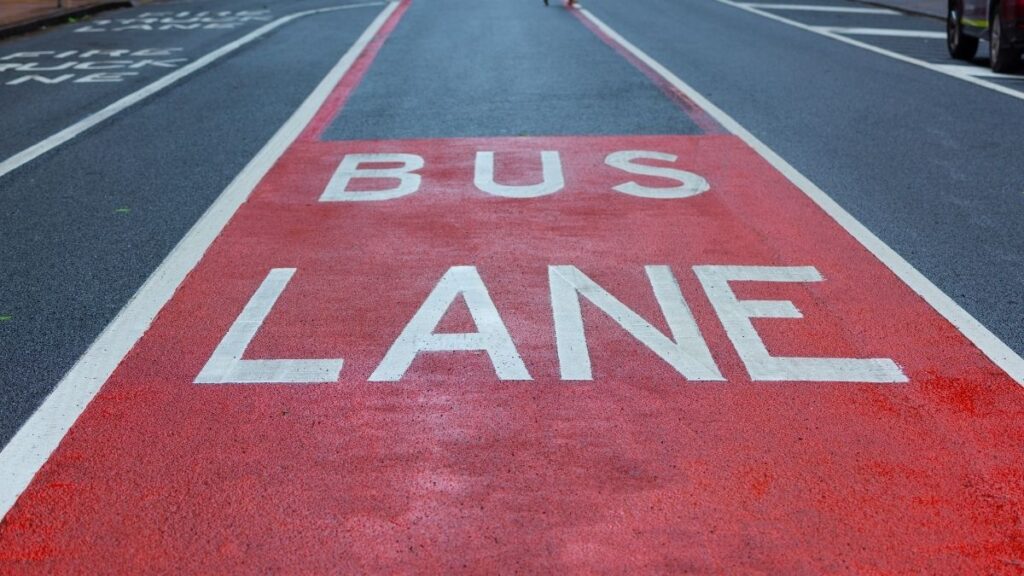
This 100-metre allowance ensures drivers have sufficient space to safely manoeuvre whilst preventing abuse of bus lanes for general traffic flow. The rule is enforced through fixed cameras in many locations, making compliance essential to avoid penalties.
Understanding the 20-Metre Rule in Bus Lanes
What is the 20-metre rule in the bus lane? While Australia operates on the 100-metre principle for travel in bus lanes, the 20-metre rule primarily relates to parking restrictions near bus stops rather than how far you can drive in a bus lane.
In most Australian states, you cannot park within 20 metres before a bus stop and 10 metres after it, ensuring buses have clear access. This parking restriction helps maintain smooth public transport operation and safety but should not be confused with travel distance allowances within bus lanes.
Which Vehicles Can Use Bus Lanes?
Understanding which road users are permitted in bus lanes is essential for compliance. Generally, the following vehicles can use bus lanes:
Always Permitted:
- Public buses and coaches
- Emergency vehicles (police, ambulance, fire services)
- Bicycles (unless specifically prohibited by signage)
State-Dependent Permissions:
- Taxis and hire cars: Permitted in most states, but hire cars with HC plates may have specific requirements
- Motorcycles: Allowed in most states except Victoria and some designated “Buses Only” lanes
- Private vehicles: Only for the specified 100-metre allowances
It’s crucial to note that ride-share vehicles like Uber are generally not permitted in bus lanes, despite common misconceptions.
State-by-State Bus Lane Regulations
Can You Drive in the Bus Lane in QLD?
Queensland follows the national 100-metre standard but has some unique features. Vehicles can use a bus lane for up to 100 metres when entering or leaving the road, avoiding obstructions, or overtaking right-turning vehicles.
Queensland permits public buses, taxis, limousines, emergency vehicles, and bicycles in bus lanes. However, motorcycles and personal mobility devices are specifically prohibited from using bus lanes in Queensland, making it more restrictive than some other states. As always, check local signage for any additional restrictions.
What is the Bus Lane Rule in Victoria?
Victoria has some of the most restrictive bus lane rules in Australia. Only public buses and bicycles are permitted to use bus lanes at any time. Unlike other states, taxis and motorcycles are not automatically permitted in Victorian bus lanes.
Private vehicles can still use bus lanes for up to 100 metres when:
- Entering or leaving the road
- Overtaking a vehicle turning right or making a U-turn
- Avoiding an obstruction
- Following specific signage that permits other vehicles
Many Victorian bus lanes operate during peak hours only, so drivers should carefully check signage for operational times.
NSW Bus Lane Regulations
New South Wales allows buses, taxis (but not ride-share vehicles), hire cars with HC plates, emergency vehicles, motorcycles, and bicycles in bus lanes. The 100-metre rule applies for private vehicles in the same circumstances as other states.
NSW specifically distinguishes between regular bus lanes and “Buses Only” lanes, where only buses are permitted regardless of circumstances.
Other States and Territories
- South Australia: Similar to NSW, permitting buses, taxis, emergency vehicles, and bicycles
- Western Australia: Follows the national standard with some local variations in Perth
- ACT: Includes motorcycles and hire cars alongside the standard permitted vehicles
- Tasmania: Applies the 100-metre rule with standard vehicle permissions
- Northern Territory: Interestingly, has no traditional bus lanes, though Darwin has some bus-priority infrastructure
Common Scenarios: When Can You Use a Bus Lane?
Avoiding an Obstruction
When a vehicle stops to turn right from the centre lane, you may use the bus lane to pass safely. This is one of the most common legitimate uses of bus lanes by private vehicles. The key is ensuring you don’t exceed the 100-metre limit and return to your regular lane as soon as safely possible.
Entering or Leaving the Road
Whether accessing a driveway, car park, or side of the road, you can travel in a bus lane for up to 100 metres. This allowance recognises that drivers often need to cross bus lanes to reach their destinations legally.
Emergency Situations
If you encounter a broken-down vehicle, accident, or other obstruction in your regular lane, the bus lane provides a legal alternative route for up to 100 metres. Always ensure you give way to any emergency vehicles or buses already using the lane.
Which Vehicles Cannot Travel More Than 100m in a Bus Lane?
All private vehicles are restricted to the 100-metre limit when using bus lanes. This includes:
- Cars and light commercial vehicles
- Trucks and heavy vehicles
- Motorcycles (in states where they’re permitted)
- Any vehicle not specifically authorised for unlimited bus lane use
The only vehicles that can travel in a bus lane for unlimited distances are those specifically permitted: public buses, emergency vehicles responding to calls, and in most states, taxis and bicycles.
Penalties and Enforcement
Bus lane violations carry significant penalties across Australia, typically ranging from $200 to $500 depending on the state. Many bus lanes are monitored by fixed cameras that can detect unauthorised use, making enforcement increasingly effective.
Service vehicles and other commercial operators should be particularly aware of these rules, as repeated violations can impact business operations and insurance costs.
Becoming a Safer, More Confident Driver
Understanding complex road rules like bus lane regulations is just one aspect of safe driving. For learner drivers and those looking to improve their skills, proper training makes all the difference. Learning about different road rules across the country can help you navigate confidently wherever your travels take you.
If you’re ready to enhance your driving skills and road safety knowledge, consider taking professional driving lessons tailored to your needs. Our experienced instructors provide personalised training to help you drive safely and confidently in all conditions, including navigating bus lanes and complex traffic scenarios.
For learner drivers under 25 in NSW with at least 50 logbook hours, our Safer Drivers Course offers a comprehensive 5-hour program combining theoretical and practical training. Successful completion awards an extra 20 logbook hours, fast-tracking your journey to a full licence while building essential safe driving skills.
Whether you are just starting out or want to become a safer, more confident driver, our courses provide the tools and knowledge to make every journey safer and more enjoyable.
Key Takeaways for Safe Bus Lane Navigation
Bus lane rules exist to maintain efficient public transport while allowing necessary access for other road users. The 100-metre rule provides a practical balance between these needs, but compliance requires understanding both the distance limit and the specific circumstances that permit bus lane use.
Remember to always check local signage, as operational times and specific permissions can vary even within the same state. When in doubt, avoid using the bus lane unless you’re certain you meet the legal requirements. By following these guidelines and continuing to develop your driving skills through proper training and road safety practices, you’ll navigate Australia’s roads safely and confidently.
Whether you’re a new driver learning the ropes or an experienced motorist brushing up on regulations, understanding bus lane rules is essential for responsible driving across Australia’s diverse road network.