Pedestrians are among the most vulnerable road users in Australia. Each year, hundreds of pedestrians are injured or killed, often because drivers fail to anticipate movement at crossings, intersections, or in busy areas.
In 2018, more than 180 pedestrians lost their lives on Australian roads, underscoring the urgent need for safer driving practices.
For learner drivers, knowing how to protect pedestrians is essential, not only to prevent crashes but also to follow the road rules and develop safe habits.
The Best Ways to Ensure Pedestrian Safety
The best way to protect pedestrians is to stay alert, obey road rules, and anticipate where people may appear. Always scan for children, elderly people, or those using mobility aids, as they may need extra time to cross.
Children and older pedestrians are especially at risk because they often misjudge speed and distance. Slow down in school zones, car parks, entertainment precincts, and other busy areas where pedestrian activity is high.
Understanding Pedestrian Crossings and Road Rules
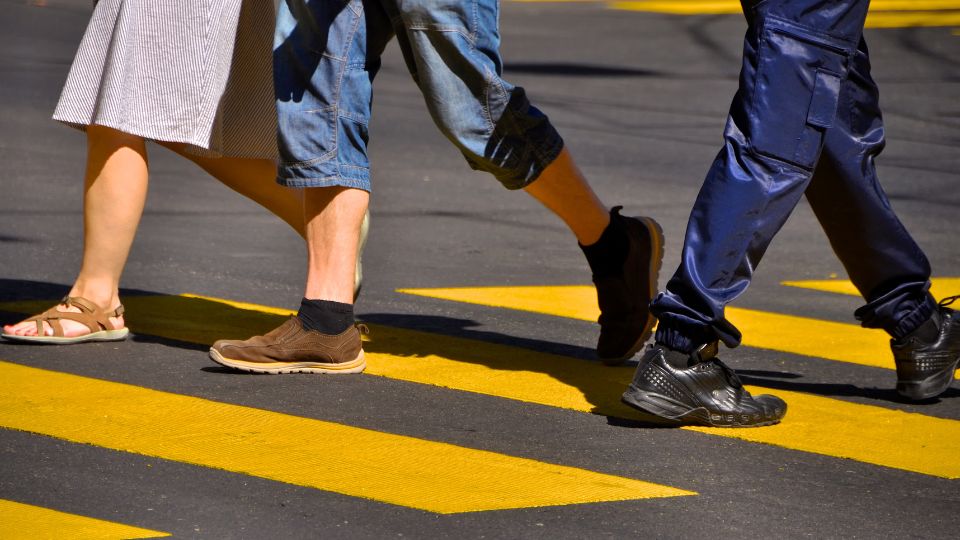
Marked crossings, pedestrian refuges, and traffic lights are designed to help people cross safely. As a driver, you must stop if someone is waiting or already on a crossing, and always give way to pedestrians. At signalised intersections, wait for the green light before proceeding, and be ready to stop safely if someone enters late.
Railway level crossings and tram tracks are also high-risk areas. Always follow warning lights and signals, and never drive through if pedestrians are crossing. While pedestrians should use the shortest and safest route, it is ultimately the driver’s responsibility to yield. Pedestrians can also improve safety by making eye contact with drivers before stepping onto the road.
Watch Out for Blind Spots and Parked Cars
One of the biggest risks comes from pedestrians stepping out from behind parked cars or moving vehicles. Blind spots can make it difficult to see them until it’s too late, particularly small children. This is why learner drivers must develop strong scanning habits and understand the risks posed by blind spots. You can learn more in our guide on what blind spots are in driving.
Similarly, when driving near cyclists or other vulnerable road users, the same rules of awareness apply. Giving them extra space is just as important as stopping safely for pedestrians. For further tips, see our article on driving safely with cyclists.
Stay Alert in Shared Spaces
Shared use paths, country roads, and median strips are other areas where pedestrians and vehicles can overlap. Always reduce speed when turning at intersections or crossing main roads where people may be waiting. Make eye contact with pedestrians where possible to confirm they have seen you before proceeding.
Avoid distractions such as mobile phone use while driving, as even a moment of inattention can cause serious injury. Pedestrian vulnerability has also increased with distracted walking, where people fail to notice traffic while using devices. Always assume others may act unpredictably and be prepared to stop safely at any time.
Building Confidence Through Safer Driving Skills
Pedestrian safety relies on more than just following traffic signals or slowing down at crossings. It requires developing good judgment, staying alert in busy areas, and building habits that keep all road users safe.
For learner drivers under 25 with at least 50 logbook hours, the Safer Drivers Course is an excellent way to build these skills. This five-hour program teaches young drivers how to anticipate hazards, reduce risks, and make better decisions in real-world driving situations. It also rewards you with 20 bonus logbook hours, making it easier to reach the required total for your test.
By enrolling, you not only gain confidence but also learn how to approach complex scenarios, such as managing blind spots, recognising vulnerable pedestrians, and driving in high-risk environments like school zones and entertainment areas.
Final Thoughts
Knowing how to stay safe around pedestrians is one of the most important skills for learner drivers. By slowing down in high-risk areas, keeping an eye on blind spots, following road rules at crossings, and practising safe driving habits, you can keep pedestrians safe and build your confidence on the road.
Pedestrian safety starts with awareness, but it grows with training and practice. Use your learner period to develop these habits, and consider structured training like the Safer Drivers Course to strengthen your ability to drive safely and responsibly.