You’ve spent most of your life watching other people drive without thinking twice about it. Then suddenly you’re the one behind the wheel, trying to judge gaps at a roundabout while someone behind you is already getting impatient.
For many adult learners, this is the moment driving starts to feel very real.
Maybe you’re learning later than your friends did. Maybe you’ve always relied on public transport, family members, or partners to get around. Or maybe you’re returning to driving after years away because life now requires more independence.If you’re wondering about learning to drive as an adult, one of the biggest surprises is how mentally exhausting it can feel in the beginning. Most adult learners do not suddenly feel calm or confident after a few lessons. Confidence usually develops slowly through repetition, familiarity, and experience on real roads.
If you’re wondering about learning to drive as an adult, one of the biggest surprises is how mentally exhausting it can feel in the beginning. Most adult learners do not suddenly feel calm or confident after a few lessons. Confidence usually develops slowly through repetition, familiarity, and experience on real roads.

Why Adult Learners Often Overthink Driving
One of the biggest differences for adult learners is self-awareness.
Teenagers are often nervous learning to drive, but adults tend to overanalyse every mistake. Many learners quietly wonder if 30 or even 45 is too old to learn to drive, especially when they feel like they “should” already know how to drive by now. Missing a turn, hesitating at an intersection, or stalling in traffic can feel deeply embarrassing when you’re older, even though these experiences are completely normal for learner drivers.
There’s also usually more pressure attached to learning.
Driving can be connected to work, family responsibilities, commuting, or independence. That pressure can make every lesson feel more important, which naturally increases anxiety behind the wheel.
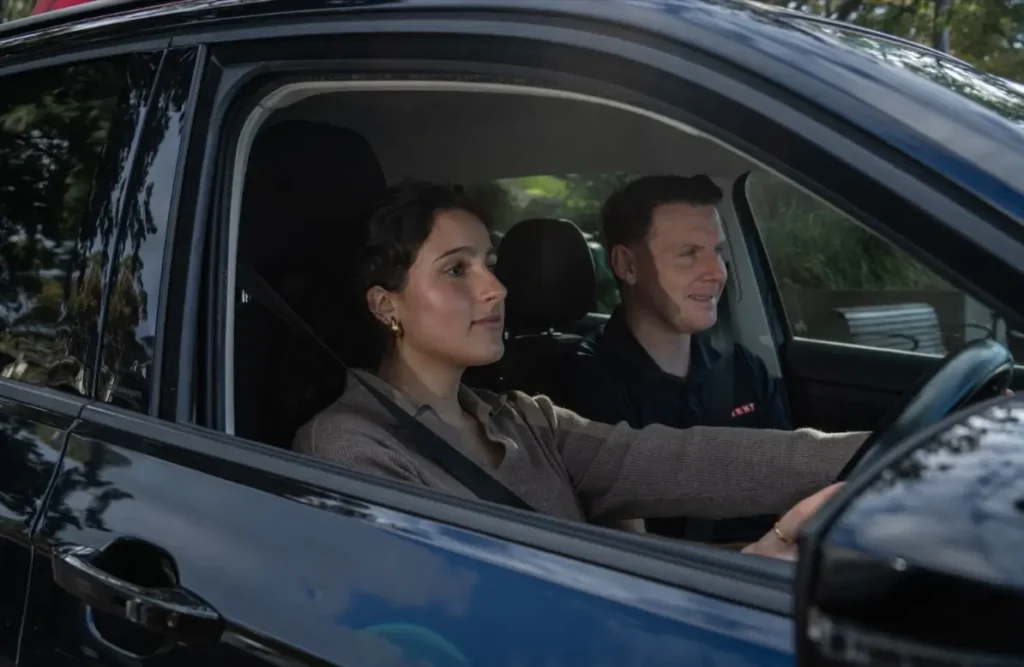
LTrent driving instructor, Ariana, says many adult learners are harder on themselves than they need to be.
“Most adult learners expect to pick things up fast, but confidence behind the wheel really comes from repetition. Once you’ve been through the same road situations enough times, you stop overthinking every little decision.”
Why Driving Can Feel Overwhelming At First

For many adults, learning to drive feels mentally exhausting because there’s so much happening at once.
You’re checking mirrors, watching traffic lights, reading road signs, managing speed, maintaining lane position, and trying to stay calm while traffic moves around you.
Even relatively normal situations like merging, changing lanes, or driving through busy intersections can feel stressful when your brain is trying to process everything simultaneously.
That feeling is completely normal.
With time, many of these behaviours become automatic through experience and are no longer actively thought about by most experienced drivers. Adult learners are creating those behaviours from scratch.
This is why many learners feel more confident when they practise consistently in familiar environments before gradually progressing to more challenging driving situations.
Adult learners can also benefit from understanding safe driving behaviours and responsibilities on NSW roads.
Confidence Comes From Familiarity, Not Perfection
A lot of adult learners assume confident drivers naturally feel calm behind the wheel.
In reality, confidence often comes from familiarity.
The more exposure learners have to the same situations, the less overwhelming those situations usually feel. Roads that once felt stressful eventually become predictable. Parking becomes less intimidating. Busy traffic becomes easier to read.
This is why consistency matters so much while learning to drive as an adult.
Short and regular driving practice usually helps learners feel more prepared and in control over time, especially when practising real NSW driving situations like roundabouts, suburban traffic, school zones, and merging lanes.
Learners who are still figuring out how they can drive safely in traffic often become more comfortable simply through repeated exposure to busier roads and everyday driving conditions.
The Pressure Of Driving With Other People In The Car

One of the most relatable learner-driver struggles is how different driving can feel once passengers are involved.
Some learners are distracted by trying to have discussions. Others feel compelled to appear more calm or confident than they feel.
Even supportive passengers can unintentionally create stress by reacting suddenly, commenting on mistakes, or offering too much advice while the learner is already concentrating on multiple things at once.
This pressure can make learners:
- hesitate more
- rush decisions
- lose concentration
- second-guess themselves
Driving is a very personal thing, especially for adult learners. Having other people see mistakes or hesitation behind the wheel can be difficult, especially for learners who already have high expectations of themselves.
Adult learners can also benefit from understanding how distractions affect concentration while driving.
Why Safe Habits Build Long-Term Confidence
Many learner drivers think confidence comes from “getting everything right”.
Usually, it comes from building safe and consistent habits over time instead.
The learner who calmly handles a roundabout today probably felt overwhelmed by the exact same situation a few months earlier. Confidence develops when situations stop feeling unfamiliar.
This is one reason structured learning matters.
Learners who practise regularly, expose themselves to different road conditions, and focus on safe decision-making often become more capable drivers over time.
It is also important for learner drivers to stay informed about road law amendments in NSW.
Driving Confidence And Independence Are Closely Connected
For many adults, learning to drive is about far more than transportation.
Getting To Work Independently
For some adults, driving means they can get to work without relying on public transport, family or long journeys. A licence might mean more flexibility on career prospects, shift patterns and everyday routines.
Managing Everyday Responsibilities More Easily
Driving can also make everyday responsibilities feel more manageable. Feeling confident behind the wheel can help you feel more in charge of your everyday life, whether you’re grocery shopping, going to appointments or assisting family members get where they need to go.
Feeling Less Reliant On Other People
Many adult learners feel frustrated relying on partners, parents, friends, or rideshare services to get around. Learning to drive can help to cut down on that dependence and provide you more independence and flexibility.
Building Confidence Beyond Driving
For many adults, confidence behind the wheel becomes connected to confidence in other parts of life as well. Successfully handling unfamiliar roads, busy traffic, or stressful driving situations can gradually help learners feel more capable and self-assured overall.
That emotional weight is part of why learning to drive as an adult often feels so different compared to learning earlier in life.
Confidence Grows With Every Drive

Learning to drive as an adult can feel frustrating, overwhelming, and emotionally exhausting at times. But for most learners, confidence develops gradually through routine, experience, and real-world driving situations rather than through immediate accomplishment. The situations that feel stressful now usually become easier with exposure and practice over time.
If you’re an adult learner who needs a little bit of extra guidance, structured driving lessons can give you the confidence to deal with genuine driving scenarios and not feel so overwhelmed.
Contact LTrent Driving School to learn more about structured driving lessons for adult learners.