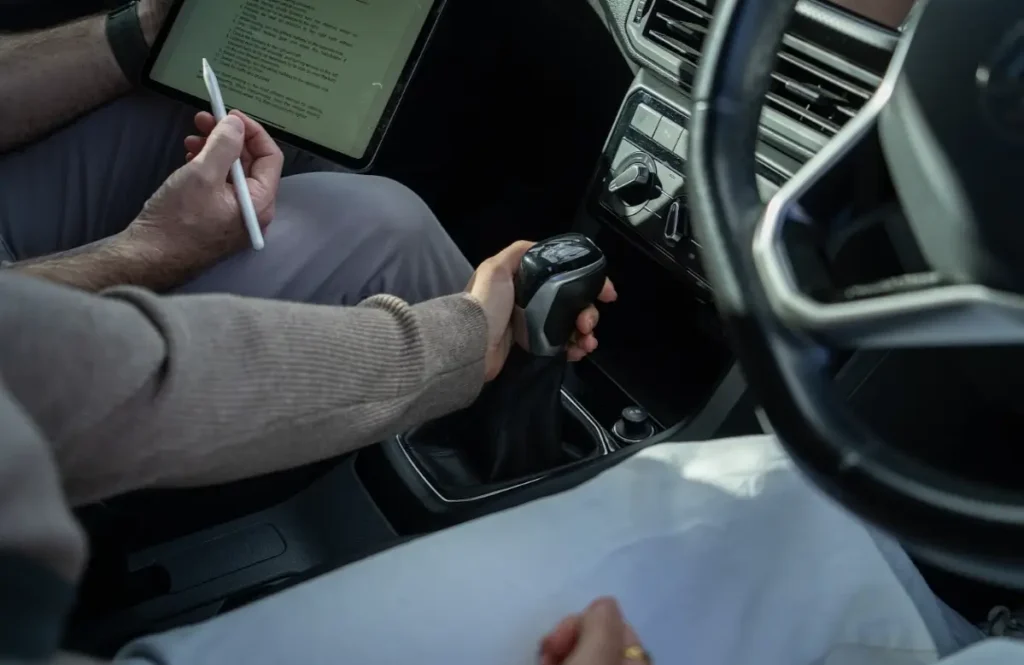
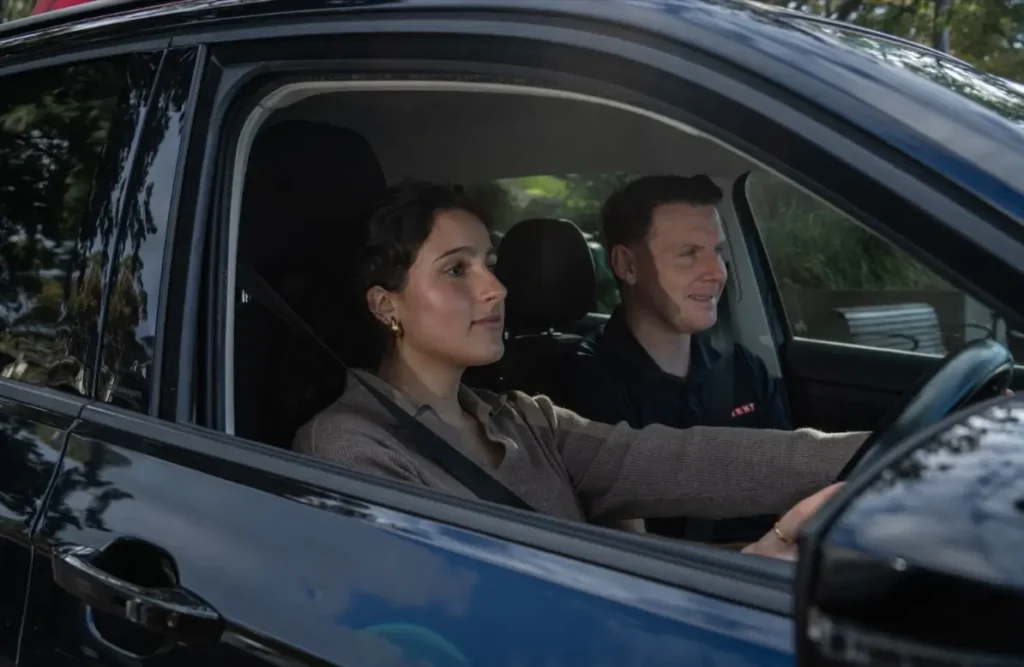
If you’ve ever come home from a practice drive wondering how a simple trip around the block turned into an argument, you’re not alone.
Many parents are surprised by how emotional teaching a child to drive can be. A reminder to slow down is heard as criticism. A missed mirror check becomes a tense conversation. Before long, both of you are frustrated, even though you’re working towards the same goal.
The good news is that it doesn’t have to be that way.
Supporting a learner driver isn’t about becoming the perfect driving instructor. It’s about creating an environment where your child feels calm enough to learn, make mistakes safely, and gradually become a confident, independent driver.

Why does driving with parents sometimes feel so stressful?
Learning to drive is about much more than operating a vehicle. For many young drivers, it’s one of the first times they’re making important decisions while someone else is watching their every move.
As a parent, it’s natural to feel responsible for their safety. That responsibility can make every hesitation, missed observation, or late brake feel more significant than it really is.
Your child, meanwhile, may already be feeling nervous before the engine even starts. They know you’re experienced. They don’t want to disappoint you. When instructions come quickly or emotions rise, it’s easy for confidence to disappear.
This doesn’t mean either of you is doing anything wrong.
It simply means you’re trying to balance two different roles at the same time: parent and driving coach.
Your child isn’t just learning to drive. They’re learning under pressure.
One of the biggest challenges for learner drivers isn’t steering, changing gears, or parking.
It’s managing pressure.
Every new intersection, lane change, or roundabout requires dozens of small decisions. Add the pressure of wanting to perform well in front of a parent, and even capable learners can make mistakes they wouldn’t normally make.
If your child seems unusually anxious behind the wheel, try to remember that confidence develops gradually.
Rather than expecting every drive to go perfectly, look for small signs of progress.
Maybe they’re checking their mirrors more consistently.
Perhaps they’re anticipating road hazards earlier than they did last month.
Or maybe they’re simply feeling more comfortable driving on roads that once felt intimidating.
Those small improvements are often a better measure of progress than a single perfect drive.
What helps more than constant instructions?
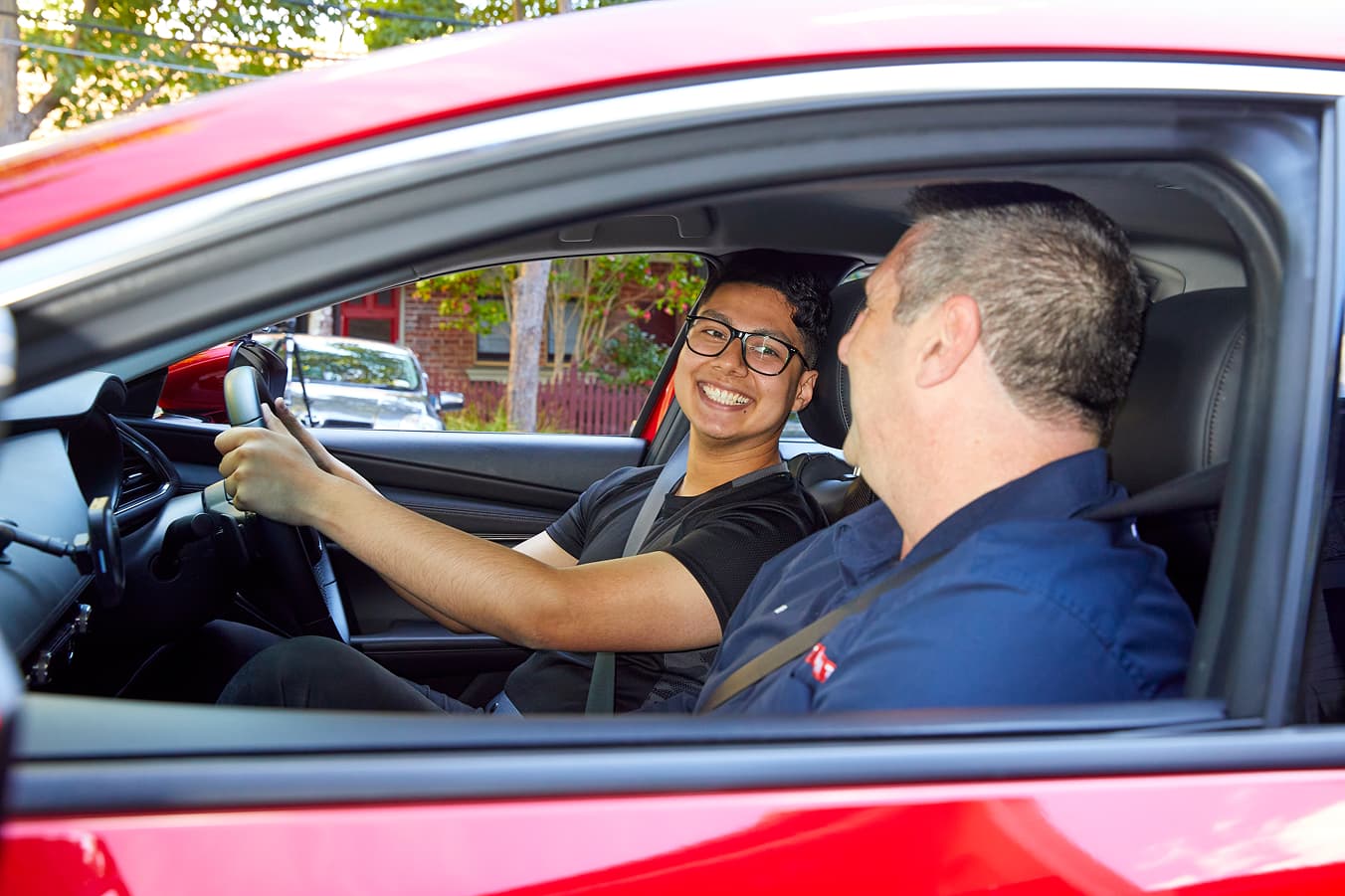
Parents often feel they need to comment on everything happening during a drive.
It’s understandable. You want to keep your child safe.
But too much information at once can make it harder for learners to think independently.
Instead of correcting every decision immediately, try asking questions once the situation has passed.
Rather than saying:
“You should have slowed down earlier.”
Try asking:
“What did you notice as you approached that intersection?”
That simple change encourages your child to reflect on their own decision-making instead of relying on someone else to provide every answer.
The goal isn’t to create a learner who follows instructions.
It’s to help them become a driver who can think for themselves.
Create a calmer environment for every practice drive
The atmosphere inside the car often influences learning just as much as the roads outside it.
A few simple changes can make supervised practice feel far less stressful.
- Choose quieter roads when introducing a new skill.
- Keep practice sessions short if frustration is building.
- Focus on one or two learning goals rather than trying to improve everything at once.
- Save detailed feedback until after the drive whenever it’s safe to do so.
- Celebrate progress, even when mistakes happen.
Remember, every learner has difficult days.
One challenging drive doesn’t undo the progress they’ve already made.
You don’t have to be their driving instructor
One of the biggest misconceptions about supervised practice is that parents need to teach every aspect of driving themselves.
In reality, your role is different.
You provide encouragement, regular practice, and real-world experience across different roads, weather conditions, and traffic situations.
Professional instructors bring something else.
Because they work with learner drivers every day, they know how to recognise common habits before they become bigger problems. They can explain techniques in different ways, provide objective feedback, and coach learners without the emotional pressure that naturally exists between parents and children.
That isn’t because they’re better parents.
It’s because they’re performing a different role.
For many families, combining regular supervised practice with professional lessons creates a more balanced learning experience, allowing everyone to focus on what they do best.
Peace in the car starts with knowing your role
If every practice drive has started to feel like a test of patience, it might be time to change the approach rather than push harder.
You don’t have to be your child’s driving instructor to help them become a safe, confident driver. In fact, your greatest contribution may be creating a calm space where they feel supported, encouraged, and willing to keep learning.
At LTrent, we see the best outcomes when parents focus on being parents and instructors focus on teaching the skills that come with years of professional experience. Together, that partnership helps learners build confidence not only for their driving test but also for every journey that follows.