One of the first questions many of our students ask is whether they should learn to drive in an automatic or a manual.
It’s an understandable question, especially when there are so many opinions about which option people should choose.
In practice, the decision has less to do with the car itself and more to do with how you learn. The best choice is usually the one that helps you develop safe, consistent driving habits while building confidence behind the wheel.
For some learners, that means starting in an automatic so they can focus on observation, decision-making and reading the road. For others, learning in a manual makes sense because it’s the car they’ll eventually drive every day.
Neither option automatically produces a better driver.
The transmission influences how you learn. The habits you build while learning are what stay with you long after you’ve passed your test.
Before you decide, think about where your attention will go
Most comparisons between automatic and manual focus on the mechanics.
One has a clutch and gear changes. The other doesn’t.
That’s true, but it doesn’t explain what learning actually feels like.
During your first few lessons, you’re doing much more than learning to move the car. You’re judging traffic, checking mirrors, reading road signs, anticipating hazards and trying to stay calm in an unfamiliar environment.
The more prepared you are before your first lesson, the easier it is to focus on building good driving habits. Our guide on preparing for your first driving lesson explains what to expect and how to get the most from each session.
The more mental effort spent thinking about changing gears or clutch control, the less attention is available for everything happening outside the car. That’s often when small habits begin to slip. A late mirror check, delayed indicator or rushed decision might seem minor on its own, but repeated often enough, they’re exactly the behaviours assessors notice.
Why many learners start with an automatic
Learning in an automatic removes one task from an already busy learning process.
That doesn’t mean driving becomes effortless. You still need to make safe decisions, monitor your surroundings and respond to changing traffic conditions.
What often changes is where your attention goes.
Without needing to think about gear changes every few seconds, many learners find they can spend more time scanning ahead, recognising hazards earlier and positioning the vehicle more confidently.
Those are the skills that continue to shape the way you drive long after you’ve passed your test.
Developing those skills early is important because experienced instructors recommend introducing new driving situations gradually, allowing learners to strengthen observation and decision-making before tackling more complex environments.
For learners who feel overwhelmed during their first few lessons, reducing that mental workload can make steady progress feel more achievable.
Manual develops additional skills, but not better habits
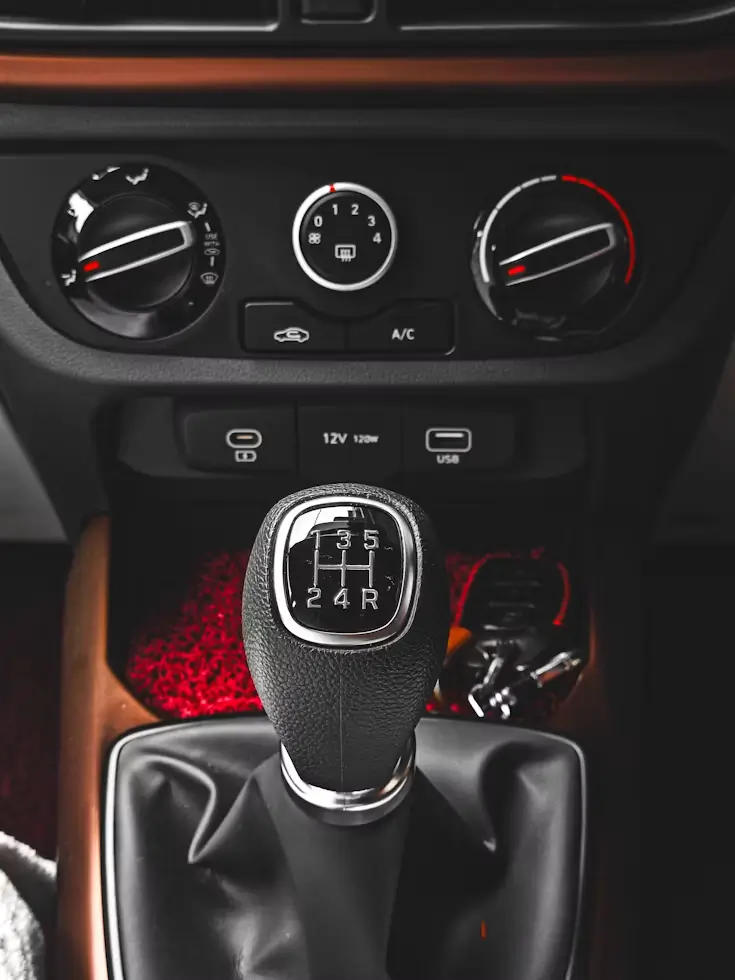
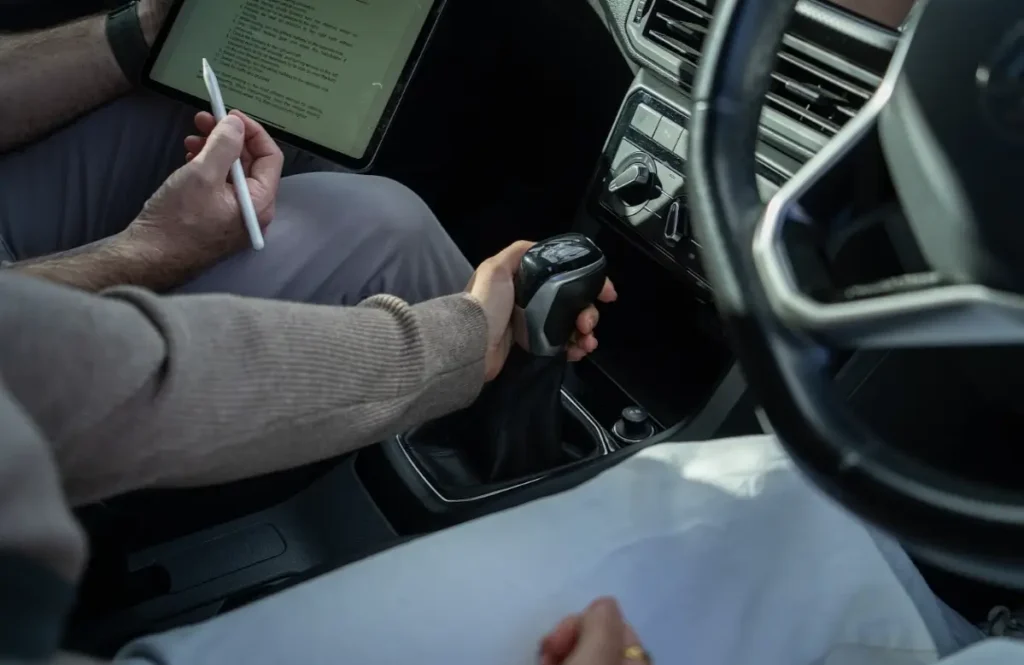
Learning in a manual introduces another layer of coordination.
Managing the clutch, selecting the right gear and moving away smoothly all take practice, and many learners enjoy the challenge.
What those skills don’t do is replace good driving habits.
A learner can change gears perfectly and still forget a mirror check before changing lanes.
They can complete a smooth hill start but hesitate unnecessarily at a roundabout.
Driving safely depends on observation, judgement and awareness just as much as vehicle control. Those are the behaviours instructors focus on regardless of the transmission you’re learning in.
Think about the car you’ll actually be driving
It’s worth looking beyond your driving test.
Will you be using the family car after you get your licence?
Are you planning to buy your own vehicle?
Will your job require you to drive a manual?
Many Australians now drive automatic vehicles, and electric vehicles don’t use traditional manual transmissions at all. If that’s the type of vehicle you’re likely to drive every day, learning in an automatic may be the most practical choice.
On the other hand, if you know you’ll regularly need to drive a manual, learning those skills from the beginning could save you time later.
Choosing the transmission that matches your future driving often makes more sense than choosing one because someone else thinks it’s “better”.
Whichever option you choose, gradually building experience in different traffic, weather and road conditions is one of the best ways to improve confidence and develop safer driving habits.
Good instructors teach the same habits in both
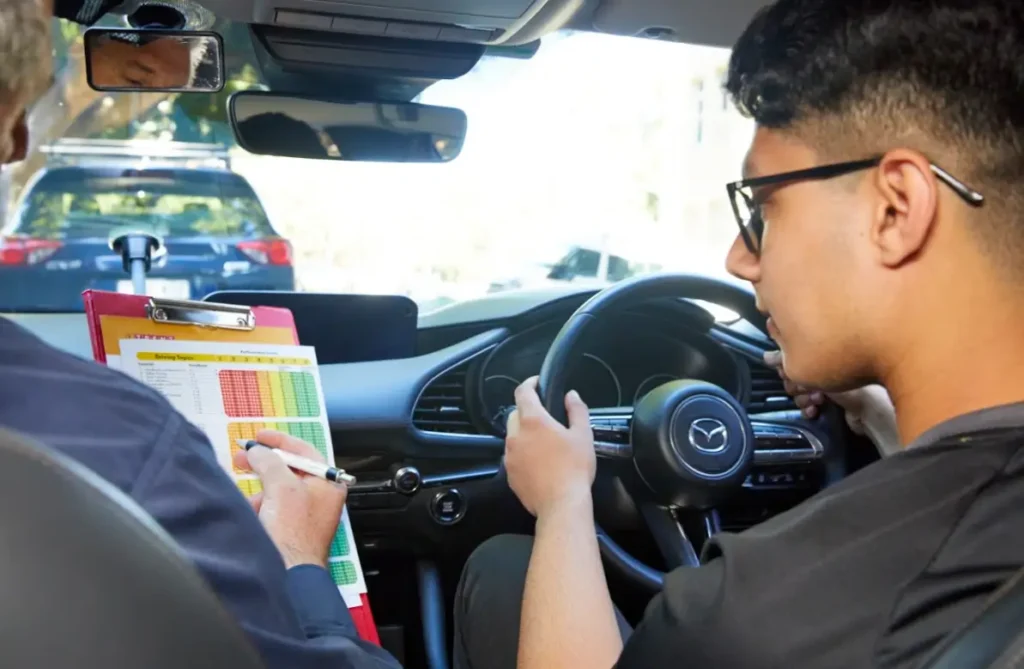
Whether you’re learning in an automatic or a manual, the foundations of safe driving don’t change.
Professional instructors are still teaching the same behaviours: consistent observation, appropriate speed, good positioning and safe decision-making.
Those expectations stay the same regardless of what’s under your left foot.
The transmission simply changes how much attention is needed to operate the vehicle while those habits are developing.
That’s why lessons should never become focused on gears alone. The real goal is helping learners recognise hazards earlier, make confident decisions and build routines they’ll rely on every time they drive.
So, which should you choose?
There’s no universal answer because every learner starts from a different place.
If your goal is to get comfortable on the road as quickly as possible and you’ll mainly drive automatic vehicles, learning in an automatic may help you focus on developing safe driving habits sooner.
If you’ll regularly drive a manual after getting your licence, investing the extra time to learn those skills from the beginning may be the better long-term choice.
Neither decision guarantees you’ll pass your driving test.
What matters far more is the quality of the habits you build along the way.
A note about your NSW licence
Choosing between an automatic and manual can also affect the type of licence you receive after your driving test. If you take your test in an automatic vehicle, your licence will be restricted to driving automatic vehicles. If you pass your test in a manual vehicle, you can drive both manual and automatic vehicles.
The best choice is the one that helps you become a safer driver
Choosing between automatic and manual is one of the first decisions you’ll make as a learner, but it isn’t the decision that determines the kind of driver you’ll become.
Safe driving is built through repetition. Every mirror check, every well-timed decision and every habit you practise during your lessons shapes the way you’ll drive long after you’ve earned your licence.
Whether you learn in an automatic or a manual, focus on building those habits first. The transmission may influence how you learn. The habits you repeat every lesson will shape the driver you become.
If you’re still unsure which option is right for you, find the right driving lesson for your goals and speak with an instructor who can recommend the best place to start.