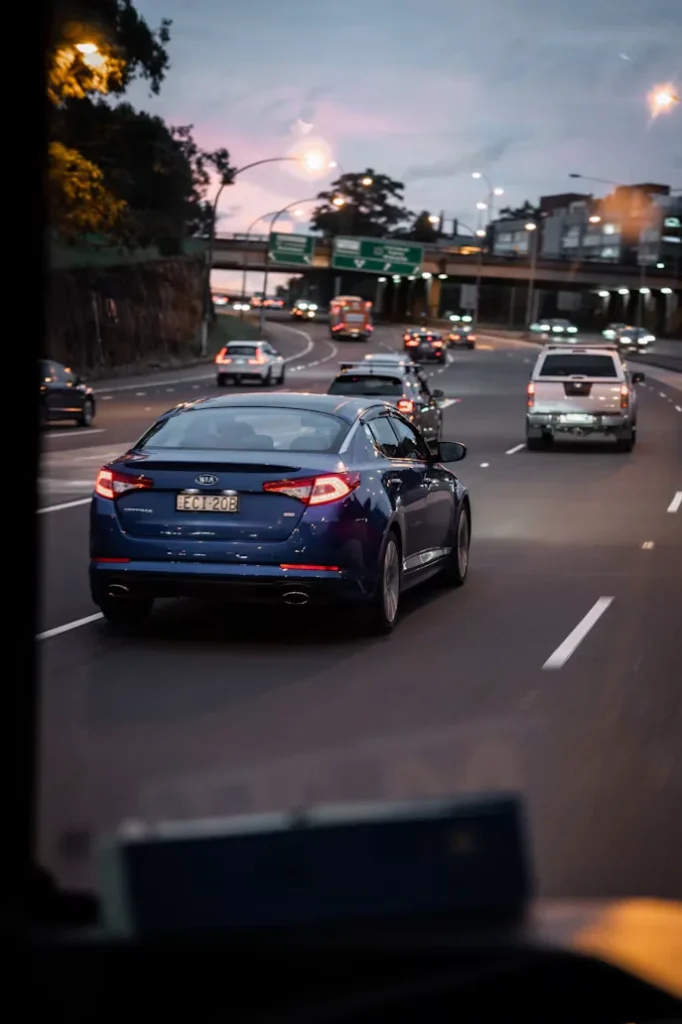


You might be driving perfectly well until someone in the passenger seat says, “Go faster,” or your friends start laughing because you’re taking your time.
Suddenly, the drive feels different. You’re not just thinking about the road anymore. You’re also thinking about what everyone else expects you to do.
Even if you’re usually careful behind the wheel, you might speed up when your friends rush you, pull out before you’re ready or lose focus trying to keep a conversation going.
You might do these things simply because you don’t want to look nervous or hold everyone up.
Why do friends influence the way learners drive?

Learning to drive comes with plenty to think about already. You’re watching traffic, checking mirrors, reading signs and trying to anticipate what other road users might do.
Add friends to the car, and there’s another layer of pressure to manage.
You might want to keep up with a more experienced driver, avoid being teased for driving slowly or prove that you’re confident behind the wheel. Even a casual comment can make you question a decision you were comfortable with a few seconds earlier.
Your friends might not realise they’re putting pressure on you. But if their comments make you rush or second-guess yourself, it’s worth recognising that before it affects how you drive.
When keeping up becomes more important than driving safely
A friend keeps commenting on how slowly you’re going. The road ahead looks clear, but you’re approaching a change in the speed limit. Instead of checking the signs and adjusting your speed, you’re wondering whether your friend will complain if you slow down.
You might be tempted to keep up with another driver, too, especially if they speed away from the lights or take a corner faster than you would. But you don’t know what they’re seeing or whether their driving is safe.
The same thing can happen when another driver accelerates away from traffic lights or takes a turn more quickly than you would. You might feel tempted to follow their lead, even when you haven’t had enough time to assess the situation yourself.
You don’t need to match another driver’s speed or confidence. Their decisions don’t tell you what is safe for your vehicle, your experience or the conditions ahead.
The pressure to prove you’re a good driver
Learners can feel that every drive is a test of their ability, particularly when friends are watching.
If someone makes fun of you for waiting at an intersection or checking your mirrors, you might feel pressured to prove yourself. Don’t rush or skip those checks just to show your friends you can drive.
Waiting for a safe gap, checking a sign twice or slowing down when visibility is poor doesn’t mean you lack skill. These are normal parts of driving that require attention and judgement.
You don’t have to prove anything to your passengers. You need to be able to concentrate on the road.
That becomes especially important when you’re still developing your driving habits. The decisions you practise now can influence how you respond when you’re driving independently later on.
How passengers can distract you without realising it
Not all pressure comes from someone telling you to take a risk.
Sometimes, it’s a passenger changing the music, showing you something on their phone, talking loudly or asking questions just as you’re approaching a busy intersection. The NSW Government’s advice on driving distractions explains how passenger behaviour can affect drivers and why it’s important to limit distractions.
You may want to respond because ignoring your friend feels rude. But splitting your attention between the conversation and the road can make it harder to notice what’s happening around you.
A passenger might also give directions at the last moment, leaving you feeling that you need to change lanes or turn immediately.
If you can’t make the manoeuvre safely, don’t force it. Missing a turn is easier to deal with than making a sudden move across traffic.
You can explain that you need quiet while driving through a difficult section or ask your passenger to give directions earlier. A good passenger should understand that helping you concentrate is more useful than keeping you entertained.
When friends encourage risky decisions
Peer pressure can become more serious when someone encourages you to do something you already know isn’t a good idea.
That could mean exceeding the speed limit, using a phone while driving, ignoring a road rule or taking a risk because everyone else seems willing to do it. Learner and provisional drivers can check the NSW rules on mobile phone use while driving to understand what’s permitted.
Sometimes, the pressure is direct: “Come on, just do it.” Other times, it’s more subtle. Everyone else is laughing, nobody wants to be the cautious one, and refusing can feel awkward.
It’s worth remembering that a decision doesn’t become safer just because other people agree with it.
If a passenger encourages you to speed or take an unnecessary risk, you can simply say you’re not doing it. You don’t need to turn the situation into an argument or explain every detail of your decision.
If someone keeps distracting you or refuses to respect your boundaries, consider whether they’re the right person to have in the car while you’re learning.
Why these decisions can affect your licence
Peer pressure matters because a decision made to impress someone can still have real consequences.
Speeding, using a mobile phone illegally or failing to follow road rules can put you and other road users at risk. Depending on the offence and your licence status, you may also face penalties, including demerit points.
For NSW learner and provisional drivers, licence conditions and demerit-point rules are particularly important because accumulating too many points can affect your ability to keep driving.
The fact that a friend encouraged you to take a risk doesn’t remove your responsibility as the driver.
This isn’t about worrying over every small decision. It’s about understanding that you are responsible for how you drive, even when someone else is influencing you.
If you’re unsure about the rules that apply to your licence, check LTrent’s guide to the NSW learner licence rather than relying on what friends say they can get away with.
What can you say when someone pressures you?
You don’t need a dramatic comeback to stand your ground. Often, a short, calm response is enough.
For example:
- “I’m sticking to the speed limit.”
- “I’ll go when it’s safe.”
- “I need you to let me concentrate.”
- “If I miss the turn, we’ll find another way.”
- “I’m not taking that risk.”
The advantage of keeping it simple is that you don’t get drawn into a debate while driving.
You can also set expectations before the trip. Let your friends know that you need them to avoid distracting you, give directions early and respect your decisions behind the wheel.
If you’re worried about how someone might react, it’s okay to choose a different passenger. Remember, as a learner driver in NSW, you must always have an eligible supervising driver seated beside you.
Build confidence in your own decisions
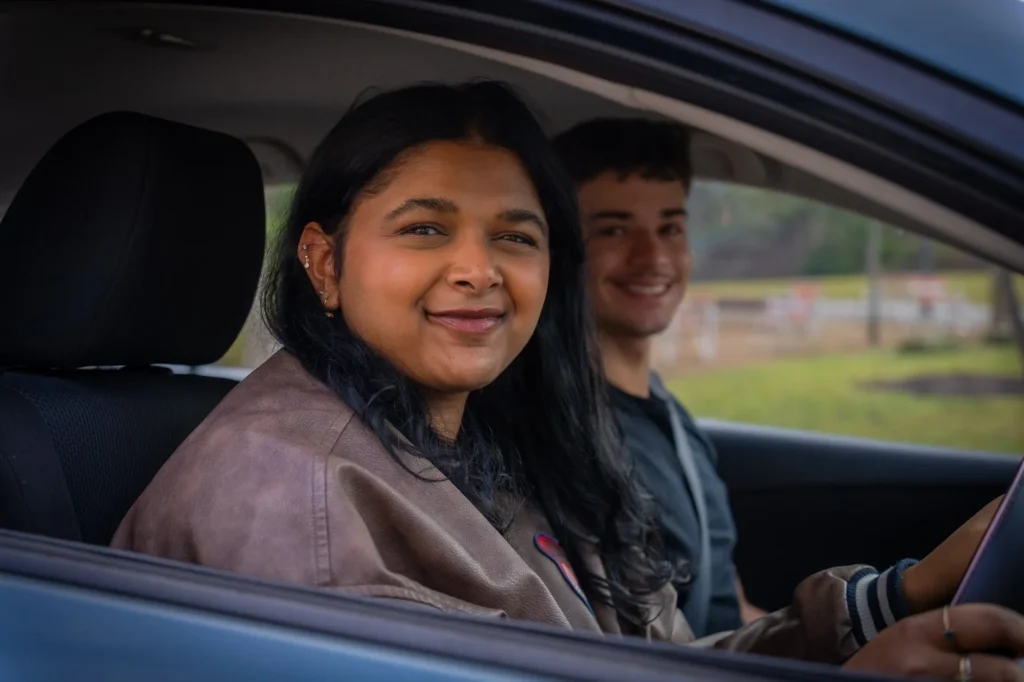
The more experience you gain, the easier it is to tell when you’re making a decision because it’s safe and when you’re making it because someone else expects it.
That doesn’t mean you’ll never feel nervous or influenced by other people. It means you can learn to pause, assess what’s happening, and make your decision based on the road, not the reaction from your passengers.
Driving with a qualified instructor can also help you develop this judgement. You can practise handling unfamiliar roads, making decisions at intersections and managing distractions while receiving feedback on your driving.
Over time, you can become more comfortable trusting your own assessment rather than feeling the need to match someone else’s behaviour.
You don’t have to follow the crowd
Friends can make learning to drive more enjoyable, but they shouldn’t determine how you drive.
If someone pressures you to speed, rush a manoeuvre or ignore a rule, you can say no. If a passenger distracts you, you can ask for space to concentrate. And if you miss a turn or need more time to make a decision, you can deal with it safely rather than trying to impress anyone.
Your passengers might forget what they said five minutes later. You’re still the person behind the wheel, responsible for what happens next.
Protecting your licence starts with the decisions you make before a mistake becomes an offence.
Make every drive about your own judgement
Learning to drive is about more than passing a test. It’s also about developing the confidence to make sensible decisions when other people have different expectations.

LTrent instructors can help you practise your skills and build sound driving habits as you gain experience on the road.