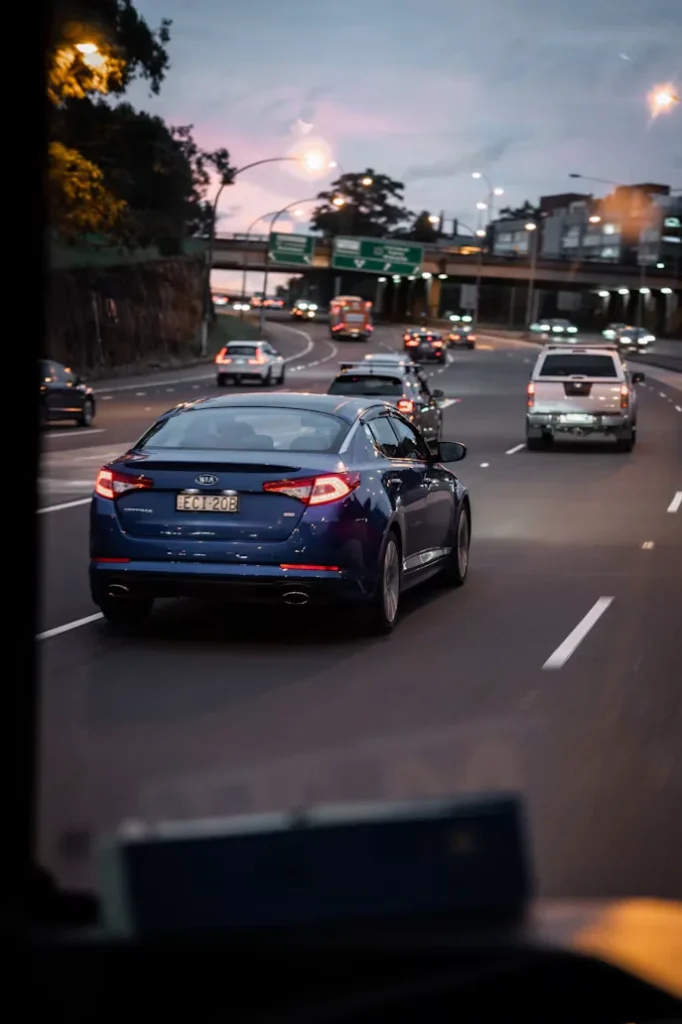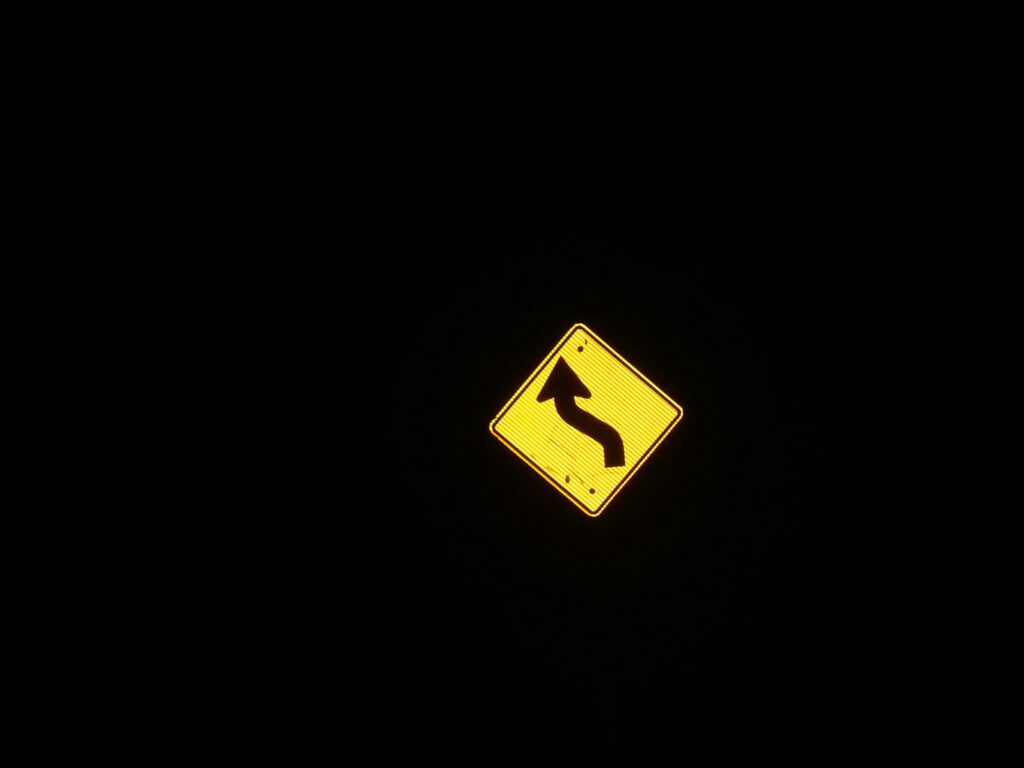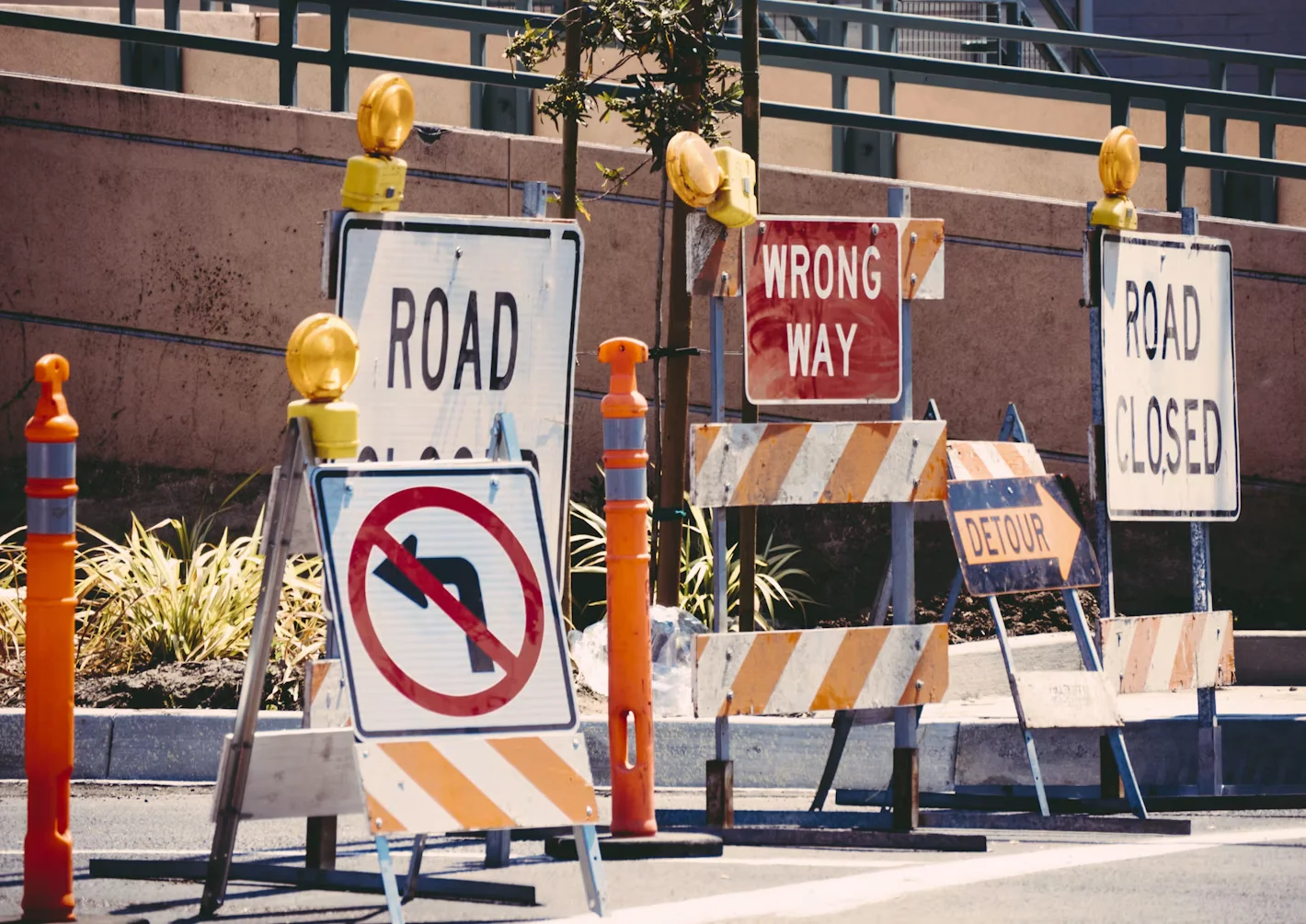


You’re driving somewhere unfamiliar when you spot a sign you don’t recognise. You try to remember what it means, but nothing comes to mind. There are cars behind you, and you don’t want to hold anyone up.
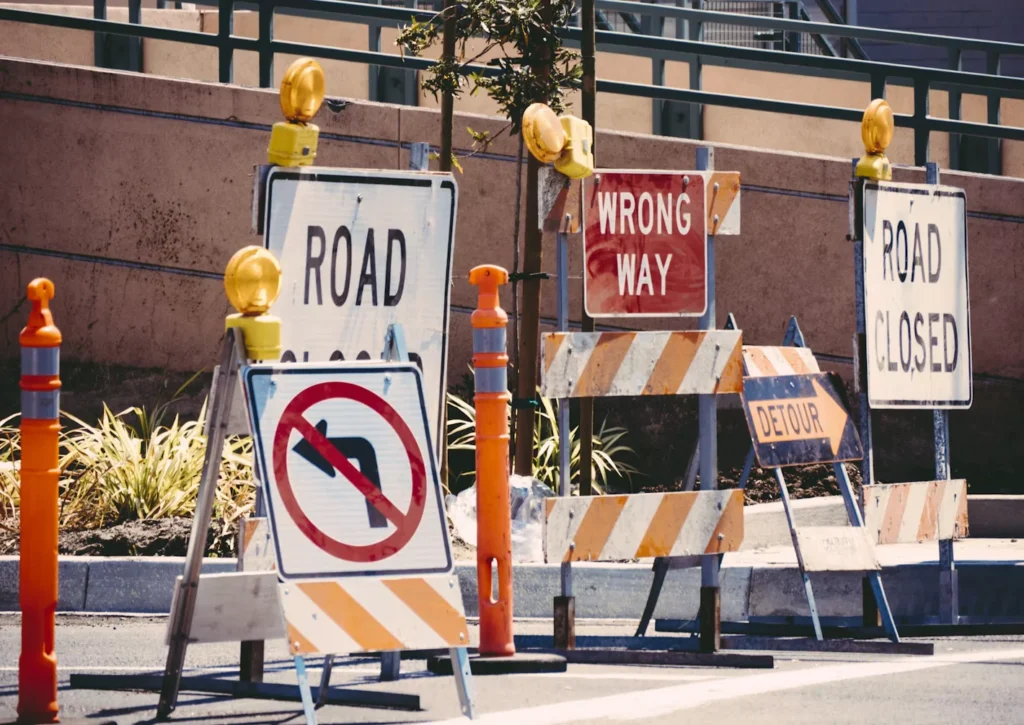
It’s easy to feel pressured into making a quick decision in that situation. But if you’re unsure about a road rule, guessing can make things worse. Knowing how to handle the situation safely is just as important as learning the rules themselves.
Start by working out what you don’t know
Sometimes, the problem isn’t that you’ve never learnt a rule. You might have covered it during a lesson but struggle to remember how it applies to the road in front of you.
Think about the situations that tend to catch you out. Is it knowing who has the right of way at an intersection? Understanding a road marking? Working out whether you can change lanes? Reviewing the Driver Knowledge Test (DKT) resources can also help you revisit the road rules and signs covered when preparing for your learner licence.
Pinpointing the part you’re unsure about makes it easier to find the answer. The NSW Government’s Road User Handbook is a useful place to check signs, road markings and driving rules.
If the explanation still doesn’t make sense, ask your driving instructor to go through an example with you. Reading a rule is one thing. Recognising when it applies while you’re driving can take a bit more practice.
What should you do when you’re unsure on the road?
First, don’t rush into a manoeuvre just because you feel you should already know what to do.
Say you’re approaching an intersection and can’t remember who has the right of way. Look for signs, traffic lights and road markings, and pay attention to pedestrians and other vehicles. Don’t pull out simply because the driver behind you is getting impatient.
The same applies if you spot an unfamiliar sign or realise you’ve missed a turn. Avoid sudden braking, last-minute lane changes or turns you’re not sure you can make safely. If you miss your turn, you can find another route when it’s safe to do so.
There’s no single response for every situation. You need to consider the road conditions and what’s happening around you rather than react out of panic.
Why you shouldn’t just follow other drivers
You’re approaching a roundabout and aren’t sure who should give way. The car ahead moves, so you consider following it.
But what if that driver gets it wrong? You still need to know what the signs and road markings mean and whether it’s safe for you to proceed. If you’re unsure, don’t copy what the car in front does. Check the situation and make your own decision when it’s safe to do so.
If you’re still uncertain, avoid forcing a manoeuvre. It’s better to take a moment to assess the situation than to follow someone else into a decision you haven’t properly considered.
Ask your instructor about anything you’re unsure of

If a road rule has you confused, bring it up at your next lesson. It could be a sign you didn’t recognise or an intersection where you weren’t sure who had to give way.
Explain what happened and which part you weren’t sure about. Your instructor can walk you through the rules and show you how to handle a similar situation next time.
You can also ask to practise that type of situation during a lesson. It’s often easier to understand a rule when you can see how it applies on the road.
If you’re driving when a question comes up, though, keep your attention on the road. Save the longer discussion until you’ve stopped somewhere safe.
Don’t let other drivers rush you
A queue of cars behind you can make an unfamiliar situation feel more stressful. You might worry that you’re taking too long or that someone will get frustrated if you wait.
That doesn’t mean you should move before you’re ready. A driver behind you can’t tell exactly what you’re seeing or what you’re trying to work out.
Don’t let pressure from other drivers make you rush. Check the signs and signals, pay attention to what’s happening around you and only move when it’s safe and permitted.
If you’re still unsure, don’t make a sudden move just to keep traffic moving. Take the time you need to work out your next step without putting yourself or anyone else at risk.
Go back over anything that confused you
After your drive, think about the moments when you weren’t sure what to do. You don’t need to review the whole trip. Focus on the one or two situations that gave you trouble.
Was there a sign you couldn’t identify? Did you hesitate because you weren’t sure who had the right of way? Were you confused by a road marking?
Look up the relevant rule in the NSW Road User Handbook and discuss it with your instructor if you still have questions. You can also explore the NSW Government’s Top 10 misunderstood road rules for explanations of commonly misunderstood situations, including roundabouts, merging and U-turns.
That way, you’re not just hoping you’ll remember the answer next time. You’re addressing the specific gap in your knowledge.
Need help understanding road rules?
You won’t know every road rule by heart while you’re learning. What matters is finding the answer when you’re unsure and understanding how to apply it next time.
If there are road signs, intersections or driving situations you’re still struggling with, an instructor can help you work through them and practise applying the rules on the road.