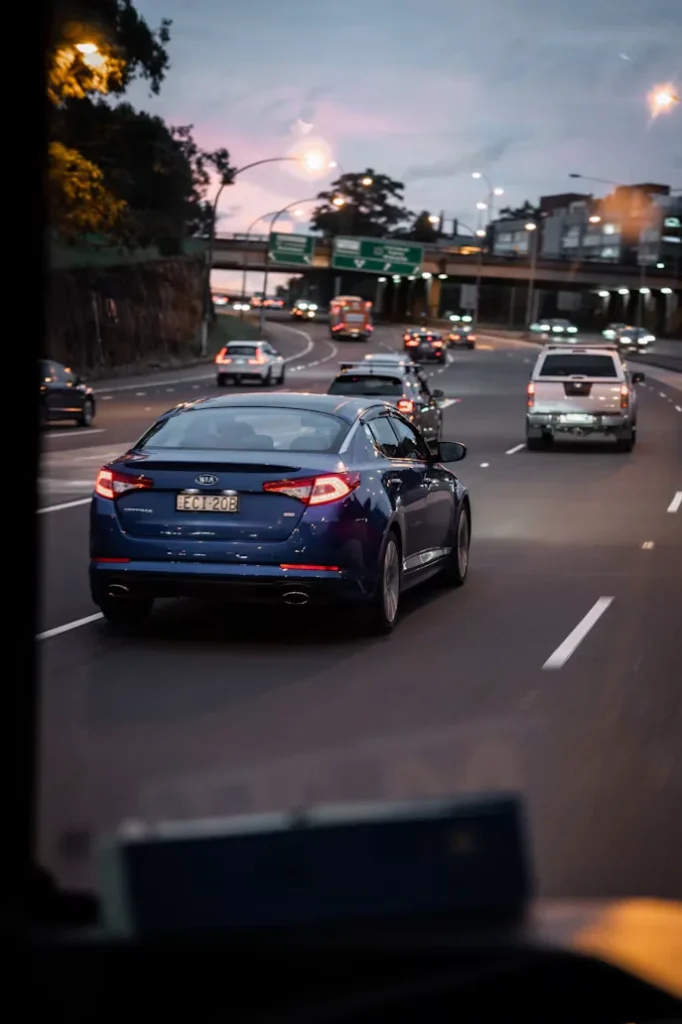
A drive that feels easy during the day can be a different experience late at night. You’re tired after a long day, visibility is lower, and your concentration may not be what it was a few hours earlier.
For learner drivers, these conditions can make ordinary decisions harder. You might underestimate how tired you are, assume you can manage one more trip or struggle to stay focused when passengers are talking.
Late-night driving isn’t automatically unsafe, but it’s worth thinking about the choices you make before and during the trip. Recognising when you’re tired, distracted or no longer concentrating properly can help you avoid turning a routine drive into a risky one.

1. When you’re tired but think you can manage one more drive
You’ve been out for most of the evening. It’s getting late, but home is only a short drive away. You feel a bit tired, though not tired enough to think twice about driving.
This is where people can misjudge how they’re feeling. You might assume you’ll be fine because the trip is familiar or won’t take long. But fatigue can affect your concentration and reaction time, even on a short journey.
Watch for signs such as yawning, sore eyes, difficulty concentrating or missing road signs. If you notice these while driving, find somewhere safe to stop and rest. Opening a window or turning up the music isn’t a substitute for sleep.
If you’re already tired before setting off, reconsider whether the drive should happen at all. Getting home a little later is better than pushing through when you’re struggling to stay alert.
2. When passengers make it harder to concentrate
A car full of friends can make the trip home feel less tiring. Everyone is talking, someone is choosing the music, and there’s plenty happening in the back seat.
But all that activity can make it harder to focus, particularly when you’re already tired. You might miss a turn, overlook a change in traffic or take longer to react to something unexpected. The NSW Government offers further advice on reducing distractions while driving, including how to manage passenger behaviour.
You don’t need to ask everyone to sit in silence for the whole journey. But if the conversation becomes distracting, ask your passengers to keep the noise down while you concentrate on a difficult section of road.
For NSW learner drivers, remember that you must have a qualified supervising driver seated beside you whenever you drive. If you’re practising at night, your supervisor should be alert and able to help you develop your skills safely.
3. The mistake of assuming familiar roads are easier at night

You might know the route home well enough to drive it without much thought during the day. At night, though, familiar roads can look different.
Parked cars can be harder to see, pedestrians may be less visible, and glare from oncoming headlights can make it difficult to pick out details. You may also have less time to notice a bend, an intersection or a change in the road ahead. For more advice, read LTrent’s night driving safety tips.
The risk is assuming that because you know the route, you don’t need to concentrate as much.
Keep scanning the road and checking your mirrors, and adjust your speed to suit your visibility and the conditions. If you can’t see clearly ahead, slow down. Leave a larger gap between your vehicle and the one in front, too.
Familiarity can help with navigation, but it doesn’t remove the need to watch for hazards.
4. When you feel pressure to keep going
Sometimes the risky decision isn’t about speed or taking a corner too quickly. It’s deciding to continue driving when you already know you’re not at your best.
Perhaps your friends want to get home, you’re worried about inconveniencing your supervising driver, or you’ve already delayed the trip once. You might tell yourself you’ll be fine for another 10 minutes.
But if you’re struggling to concentrate, don’t let the plan for the evening determine whether you keep driving. Stop somewhere safe and reassess what to do next.
If you’re a learner, speak to your supervising driver about stopping and arranging a safer way to finish the journey. If you’re a provisional driver, you may need to organise a lift or another suitable option.
The important thing is not to treat reaching your destination on time as more important than being fit to drive.
Make a plan before heading out
A little planning can make late-night trips easier to manage. Before leaving, think about how late you’ll be returning, how much sleep you’ve had and whether you’ll be expected to drive after a long day.
A few things worth considering:
- Get enough sleep. Don’t rely on coffee or energy drinks to make up for a lack of rest.
- Know how you’ll get home. If you’re likely to be tired, arrange another way to travel before the evening begins.
- Allow extra time. You shouldn’t feel pressured to rush because the trip is taking longer than expected.
- Keep your supervising driver involved. If you’re on your Ls, make sure the person supervising you is aware of the plan and fit to supervise.
- Be prepared to change plans. If you’re more tired than expected, don’t force yourself to drive just because you planned to.
Planning won’t remove every risk, but it can help you avoid having to make difficult decisions when you’re already exhausted.
Know when it’s time to stop
Fatigue doesn’t always arrive all at once. You might start by yawning more than usual, then find it harder to concentrate or notice that your reactions are slower.
Don’t wait until you struggle to keep your eyes open before taking it seriously. If you notice signs of fatigue, pull over somewhere safe and rest. The NSW Government’s advice on driver fatigue explains the warning signs and why sleep is the only way to overcome tiredness.
If you’re already struggling to stay awake, don’t try to finish the journey first. Arrange another way to get home if you need to.
Make the safer call before you set off
Late-night driving can be more demanding than you expect, particularly after a long day or an evening with friends. Fatigue, distractions and reduced visibility can all affect the decisions you make behind the wheel.
Before heading out, consider whether you’re rested enough to drive and whether you’ll still be fit to drive when it’s time to return. If you’re tired, distracted or struggling to concentrate, change the plan rather than hoping you’ll manage.
If you want to build your skills and become more comfortable handling different road conditions, LTrent instructors can help you practise with guidance and feedback.

Planning more night-driving practice?