

A driving test checklist usually starts with the obvious things.
Your licence. Your booking. Your car.
They’re all important, but they’re rarely the reason someone doesn’t pass.
More often, it’s the small habits that quietly follow a learner into the test. The late indicator. The mirror check that only happens sometimes. The hesitation that turns a safe gap into a missed opportunity.
Those habits don’t develop overnight, and they won’t disappear the night before your test.
So before you start checking paperwork, ask yourself something more useful.
Have you fixed the driving habits that could cost you your test?
Before you book your test, check these habits first
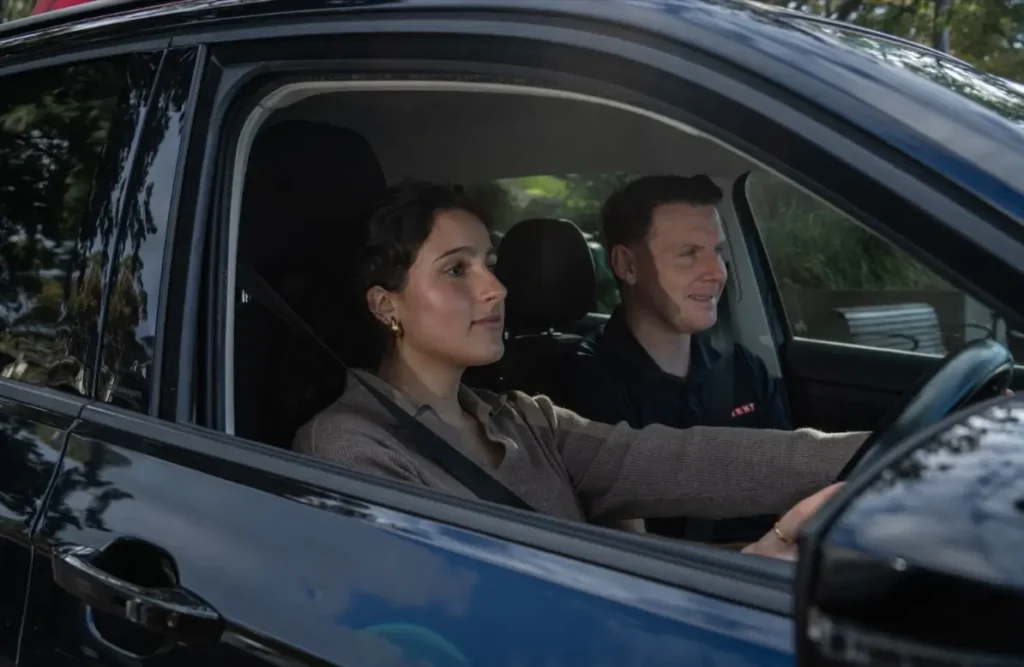
It’s tempting to measure progress by the number of lessons you’ve completed or the hours you’ve spent behind the wheel. While those milestones matter, they don’t tell you whether you’re ready to drive independently.
Driving tests are built around habits. The ones you’ve repeated over dozens of practice drives are usually the ones that show up on test day.
Instead of asking, “Have I had enough lessons?”, ask yourself whether your good driving habits have become consistent.
Do you still need reminders?
Think back to your last few practice drives.
Did your supervising driver spend most of the time giving instructions, or were they mostly sitting back and observing?
If someone still needs to remind you to check your mirrors, slow down for a school zone or position yourself correctly before a turn, those are habits worth strengthening before you book your test.
The goal isn’t to drive with fewer mistakes. It’s to drive with fewer prompts.
If your test isn’t for a few weeks yet, use that extra time to be test-ready amid long driving test waits by reinforcing good habits rather than simply adding more hours behind the wheel.
Are you driving on autopilot or paying attention?
Good driving habits aren’t just about doing the same thing every time you drive. They’re about noticing what’s changing around you and adjusting before it becomes a problem.
That means scanning well ahead, reading traffic early and adjusting your speed before a situation develops.
When those behaviours become second nature, driving feels less reactive and much more controlled.
Can you recover without losing confidence?
Every learner makes mistakes.
Missing a gear, taking a corner a little wider than planned or misjudging a gap doesn’t automatically mean you’ll fail.
What matters is what happens next.
Learners who recover calmly and continue making safe decisions usually perform much better than those who let one mistake affect the rest of the drive.
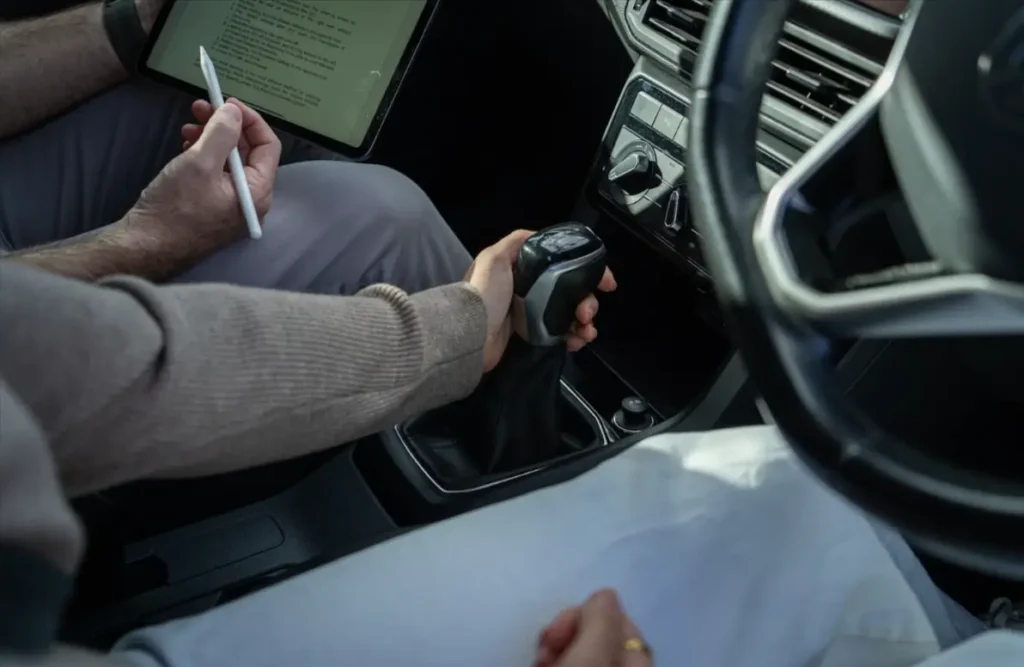
The checklist beyond your licence and logbook
Most learners remember to pack their licence.
It’s the smaller details that sometimes catch people out.
Get your paperwork organised early
Leave the night before for relaxing, not searching through drawers.
Make sure your learner licence and any required documentation are ready a few days before your appointment. If you need to present your logbook, check that everything has been completed correctly.
A little preparation now means one less thing to think about on test day.
Give your car the same attention you’re giving your driving
If you’re using your own vehicle, don’t assume everything is fine because you drove it yesterday.
Walk around it.
Check the lights.
Test the indicators.
Make sure the tyres, mirrors and seatbelts are all in good condition.
These quick checks take only a few minutes but can prevent unnecessary stress on the day.
What assessors notice that learners often don’t
Many learners spend the week before their test practising parking over and over again. There’s nothing wrong with that.
Just remember that assessors are watching much more than manoeuvres.
Observation should never be optional
One missed mirror check probably won’t define your drive. Repeatedly forgetting them might.
Good observation isn’t something you switch on at intersections or before changing lanes. It should be happening throughout the drive, regardless of what’s happening around you.
Revisiting the Road User Handbook before your test is a simple way to refresh the road rules and safe driving behaviours that assessors expect to see.
That’s why instructors spend so much time reinforcing it during lessons.
Safe decisions matter more than perfect manoeuvres
Driving tests aren’t designed to catch you out.
They’re designed to determine whether you can make safe decisions without relying on someone beside you.
Choosing an appropriate gap, recognising a developing hazard and adjusting to changing traffic conditions all tell an assessor far more than a perfectly executed reverse park.
Professional driving instructors are trained to teach hazard perception, observation techniques, decision-making and the habits that prepare learners for independent driving.
Structured professional driving lessons also give learners the opportunity to build those skills in a supportive environment before applying them during supervised practice.
The small habits that quietly cost learners their test
People often ask what the biggest reason for failing a driving test is. It’s rarely one dramatic mistake.
More often, it’s a series of small habits that seem harmless on their own but keep appearing throughout the drive.
Mirror checks that only happen sometimes
Most learners know they should check their mirrors.
The challenge is remembering to do it every single time, especially when they’re busy turning, merging or responding to traffic.
Assessors aren’t looking for occasional good observations. They’re looking for consistent ones.
Waiting too long to make a decision
Many learners believe it’s always safer to wait. Sometimes that’s true.
Other times, hesitation creates uncertainty for everyone around you. Learning when it’s appropriate to move comes with practice, experience and confidence, not guesswork.
Speed that doesn’t suit the conditions
Driving over the speed limit is an obvious problem, but driving significantly below the flow of traffic without a reason can also suggest uncertainty.
Good speed management isn’t about watching the speedometer every second. It’s about reading the road ahead and adjusting naturally as conditions change.
Understanding safe stopping distance and crash avoidance can also help you make safer speed decisions in different traffic and weather conditions.
Your checklist for the week before the test
The final week isn’t about fitting in as many hours as possible. It’s about reinforcing good habits. Before test day, aim to:
Drive somewhere unfamiliar.
Spend at least one practice session on roads you don’t know well. It forces you to read signs, scan further ahead and make decisions without relying on memory.
Let someone stay quiet.
Ask your supervising driver to step in only if safety requires it. If they don’t need to remind you about mirrors, positioning or speed, you’re getting closer to test standard.
Review one habit after every drive.
Instead of asking, “Did I drive well?”, ask, “What habit improved today, and what still needs work?” Those small adjustments add up quickly.
Small improvements repeated over several drives usually make a bigger difference than one long practice session.
Good habits don’t appear on test day. They arrive with you.
By the time you pull into the testing centre, most of the work has already been done.
The way you scan the road, use your mirrors, judge traffic and respond to changing situations has been shaped over weeks of practice, not the morning of your test.
A driving test checklist isn’t just about remembering what to bring. It’s about knowing the habits you’re bringing with you.
By the time your assessor gets into the car, those habits are already there. The final week is simply your chance to strengthen the good ones and fix the ones that still need attention.
If you’re unsure whether you’re truly test-ready, book a driving lesson to get personalised feedback before test day.