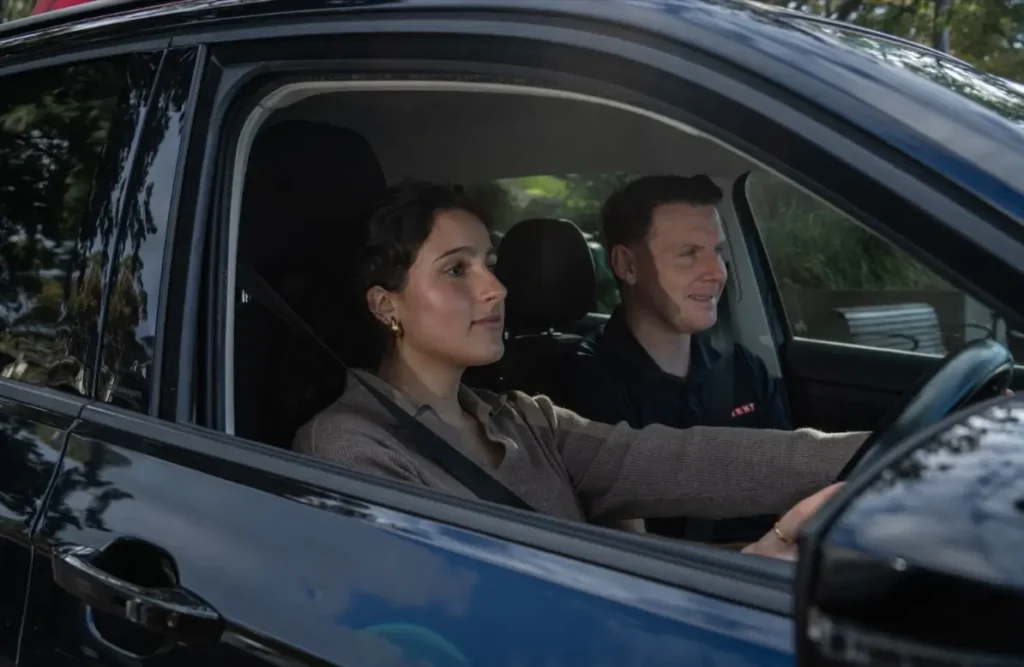


Learning to drive as an adult can feel intimidating.
Not because driving itself is more difficult, but because adults tend to approach learning differently. By the time you’ve reached your twenties, thirties or beyond, you’re already competent in so many parts of life. You’re used to making decisions at work, managing responsibilities and solving problems independently. Sitting in the driver’s seat as a beginner can feel unfamiliar in a way that few other experiences do.
One mistake has a habit of sticking in your mind. You might complete an otherwise solid lesson, then spend the drive home replaying the moment you stalled or misjudged a turn. Most instructors see something different. They notice the improvements that are starting to become consistent, because those are the habits that eventually shape the way you drive.
Learning later in life comes with advantages too
There’s a common assumption that teenagers naturally learn to drive faster. While younger learners may have fewer fears about making mistakes, adult learners often bring strengths that aren’t talked about enough.
Years of travelling as a passenger mean you’ve already developed an understanding of how traffic flows, how drivers respond to different situations and why certain behaviours make the road safer. You might not have been consciously studying every journey, but you’ve been observing them for years.
What you’re learning now is how to turn those observations into decisions from behind the wheel. Driving isn’t simply about controlling a vehicle. It’s about recognising situations, making good decisions and responding calmly when things don’t go exactly as planned.
None of those skills depend on age. They develop through practice, repetition and experience behind the wheel.
The biggest challenge is often the pressure you put on yourself

People often ask what the hardest part of learning to drive is.
For many adults, it isn’t mastering a three-point turn or remembering road rules. It’s feeling like every mistake means they’re falling behind.
That mindset can make even small setbacks feel much bigger than they really are.
Stalling at an intersection, misjudging a parking manoeuvre or needing a reminder from your instructor doesn’t mean you’re falling behind. It simply shows you where more practice will help.
It’s easy to leave a lesson thinking about the one thing that went wrong. Instructors rarely see it that way. They’re looking for patterns instead. Maybe your mirror checks are becoming more consistent, or you’re making better decisions at roundabouts than you were two weeks ago. Those gradual improvements say far more about your progress than one perfect lesson.
Staying focused on the next decision rather than dwelling on previous mistakes is an important part of safe driving, particularly when you’re still building experience behind the wheel. Understanding how driving distractions can affect your awareness is another important step in building safe, consistent habits from the beginning.
Confidence usually arrives after experience
One of the biggest misconceptions about learning to drive is that you need to feel confident before tackling more challenging situations.
Confidence usually follows experience rather than leading it.
The first time you drive through a busy intersection, your attention is divided between checking mirrors, reading traffic, maintaining your speed and deciding when it’s safe to move. It’s completely normal for that to feel mentally demanding.
Drive through similar intersections often enough, though, and something changes.
You stop thinking about every individual step because many of those actions now happen automatically. Your attention shifts away from controlling the vehicle and towards understanding what’s happening around you.
That’s when confidence begins to grow.
Not because someone told you to be confident, but because you’ve successfully handled the same situation enough times that it no longer feels unfamiliar.
Build routines before chasing confidence
Many learners assume they need to cover as many different roads as possible.
Variety certainly has its place, but consistency is just as important.
Repeating similar routes gives you the opportunity to practise the same skills without introducing a completely new environment every time. As those routines become more familiar, you’ll notice you have more mental space to observe traffic, anticipate hazards and make smoother decisions.
Once those foundations are in place, gradually introducing more complex situations becomes much less overwhelming.
Instead of asking yourself whether you feel confident enough to drive somewhere new, ask whether the habits you’ve been practising are becoming more consistent.
That’s often a much better measure of progress.
Why structured lessons make such a difference
Family members and friends can be valuable for supervised practice, but they usually teach from personal experience rather than a structured learning process.
One person may encourage you to be more cautious. Another may tell you to be more decisive. Both might mean well, but conflicting advice can make it difficult to know which approach to follow.
Choosing the right instructor can make a significant difference to how comfortable you feel behind the wheel, especially if you’re learning later in life. Knowing what to look for in a driving school can help you find an approach that matches the way you learn.

Adults rarely learn by copying a routine without understanding it first. Most want to know why they’re being asked to position the car a certain way, check their mirrors at a particular moment or wait before entering an intersection. Once those decisions make sense, practising them becomes much more purposeful.
That’s where structured driving lessons can make a real difference. Instead of relying on trial and error, learners receive consistent explanations, feedback and opportunities to practise the same skills until they become habits.
How do you know you’re improving?
Progress isn’t always obvious while you’re learning.
Many learners expect a moment where driving suddenly feels easy.
For most people, that’s not how it happens.
Instead, improvement shows up in smaller ways.
You notice hazards earlier than you used to, and that growing awareness is often one of the first signs that your driving is improving. Developing hazard awareness takes time, but understanding how drivers are expected to recognise and respond to risks helps build safer habits from the beginning.
You also recover from mistakes more quickly.
Rather than dwelling on a missed gear change or an awkward turn for the rest of the lesson, you reset your focus and continue making safe decisions.
Those changes may seem small, but they’re often the clearest signs that your driving is becoming more natural.
Learning to drive is about building habits you can rely on
There isn’t a shortcut to learning to drive as an adult, and there doesn’t need to be one.
Safe drivers aren’t created by rushing through lessons or trying to avoid every mistake. They’re created by repeating good habits until those habits become automatic, whether that’s checking mirrors without being prompted, judging traffic more confidently or recognising hazards earlier than before.
If you’re learning later in life, don’t measure your progress against someone else’s timeline. Measure it by the habits you’re building every time you drive.
Whether you’re starting from scratch or returning to driving after a long break, refresher driving lessons can provide structured guidance at a pace that suits your experience.
With consistent practice, professional guidance and realistic expectations, the things that once demanded your full attention gradually become second nature. By then, confidence usually isn’t something you’re thinking about anymore. It’s simply part of the way you drive.