

It’s easy to assume that passing a driving test comes down to mastering a few specific manoeuvres. Many learners spend extra time practising reverse parking or three-point turns because they’re easy to measure. You either get them right or you don’t. You either complete them correctly or you don’t.
The driving test works a little differently.
At LTrent, we’ve helped thousands of learners prepare for their driving test, and one pattern appears again and again. The people who pass consistently aren’t always the ones who can perform the neatest reverse park. They’re the ones who demonstrate safe habits throughout the drive.
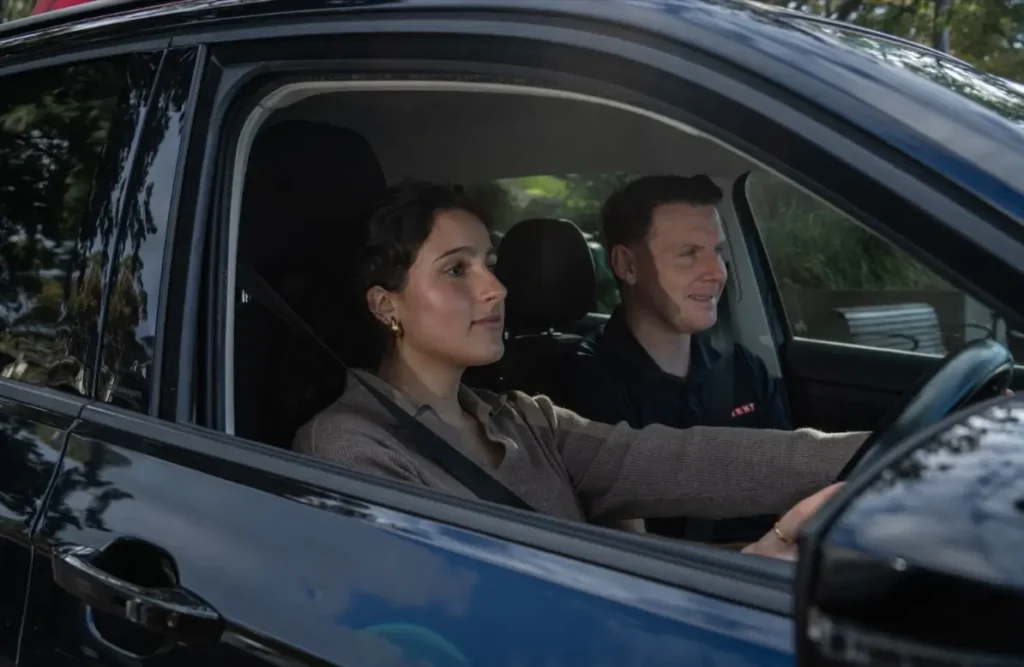
Throughout the assessment, your assessor is looking for something much bigger than individual manoeuvres. They’re deciding whether you’re ready to drive without someone beside you. Every decision you make, every adjustment you anticipate and every situation you manage helps answer that question.
That’s why the most important driving skills aren’t always the ones learners spend the most time practising.
Can you plan ahead instead of reacting?
One of the clearest signs of an experienced driver is that they rarely appear rushed. That’s because they’re constantly gathering information from the road ahead instead of waiting for situations to unfold in front of them.
You might notice traffic slowing several vehicles ahead, a cyclist approaching an intersection or a pedestrian waiting near a crossing. Seeing those situations early gives you more time to adjust your speed, position your vehicle and make smoother decisions without sudden braking or steering.
Learners sometimes focus on what’s directly in front of the bonnet. Assessors are looking to see whether you’re already thinking about what might happen next.
Developing strong hazard perception skills helps you identify risks earlier and make smoother, safer decisions before situations become urgent.
Can you make your driving predictable?
Good driving isn’t only about keeping yourself safe. It’s also about helping everyone around you understand what you’re about to do.
Using indicators at the right time is part of that, but predictability goes further. Maintaining a steady speed, choosing the correct lane early and positioning the vehicle clearly all make your intentions easier for other road users to read.
When other drivers can anticipate your actions, everyone has more time to react safely. That’s exactly the kind of calm, predictable driving assessors are looking for.
Learner driver guidance also emphasises that being predictable helps other road users respond safely, reducing the likelihood of becoming a hazard yourself.
Can you adapt when the situation changes?
Practice drives often follow familiar routes, but a driving test doesn’t always unfold exactly as expected.
You may come across roadworks, heavier traffic than usual, unexpected pedestrians or a route you’ve never driven before. None of those situations are designed to catch you out. They’re simply part of everyday driving.
The important skill isn’t knowing exactly what’s coming next. It’s being able to stay calm, reassess the situation and adjust without becoming flustered. Drivers who adapt well usually make safer decisions because they remain focused on what’s happening now rather than what they expected to happen.
Can you drive comfortably as well as safely?
Many learners concentrate so hard on avoiding mistakes that they forget driving should also feel smooth.
Harsh braking, sudden acceleration and sharp steering movements can make passengers uncomfortable even if the car stays within the road rules. Smooth driving shows that you’re reading the road early enough to make gradual adjustments instead of reacting at the last second.
It’s a skill that often develops quietly as your confidence grows, but it’s one assessors notice throughout the test.
Can you complete the drive without constant reminders?

Think back to your most recent practice session.
Did your supervising driver spend most of the lesson correcting small things, or were they mostly observing while you made your own decisions?
The driving test measures independence. If someone still needs to remind you about your mirrors, road position or speed, those are usually signs that the habits haven’t become reliable enough yet.
One of the biggest milestones for any learner isn’t making fewer mistakes. It’s reaching the point where guidance becomes less necessary because safe decisions are happening naturally.
Can you recover after something doesn’t go to plan?
Every experienced driver has made mistakes.
Missing a turn, choosing the wrong lane or misjudging a gap doesn’t automatically make someone unsafe. What matters is how they respond afterwards.
Some learners allow one mistake to affect the rest of the drive. They become distracted by what already happened instead of concentrating on the next decision.
Assessors understand that learners aren’t perfect. They’re often more interested in whether you can regain your focus quickly and continue driving safely than whether the mistake happened in the first place.
Passing is about showing you’re ready to drive alone

The most important skills in a driving test aren’t isolated techniques that only appear during one manoeuvre. They show up throughout the entire drive, often in ways learners don’t notice while they’re practising.
Planning ahead, adapting to changing situations, communicating clearly with other road users and making independent decisions all demonstrate that you’re ready for life beyond the driving test. Those skills don’t just help you earn your licence. They continue shaping the way you drive every time you get behind the wheel.
If you’re preparing for your test, remember that passing isn’t about performing one perfect manoeuvre. It’s about demonstrating safe habits from the moment the assessment begins. If you’d like a few extra pointers before test day, practical tips to help you pass your driving test can help you focus on the habits that matter most.