At some point, almost every parent starts looking for a number.
It might happen after another parent casually mentions their teenager passed the driving test after fifteen lessons. Or perhaps your learner asks why their friend already has a driver’s licence while they’re still taking lessons.
Before long, the question becomes, “Are we behind?”
It’s understandable. Numbers are easy to compare.
Learning to drive isn’t.
One learner may be ready after fewer professional lessons because they’ve been practising regularly in different traffic conditions. Another may need more time to build confidence, even if they’ve covered the same skills.
That’s why asking how many driving lessons your child needs rarely gives you the answer you’re actually looking for.
The better question is this:
If they were driving home alone today, would you feel confident in the decisions they’d make?
That’s what being test-ready is really about.
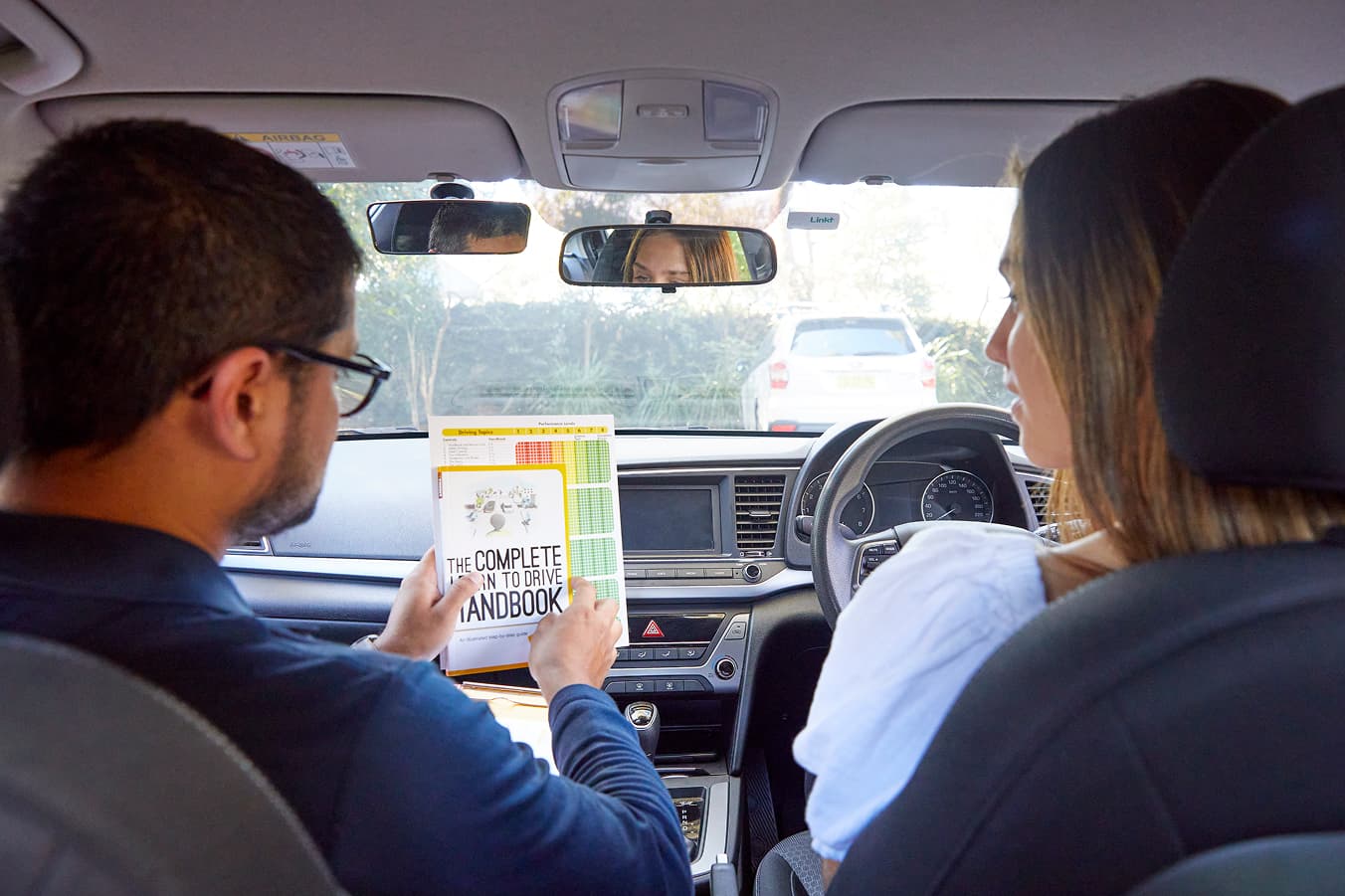
Stop counting lessons for a minute
Imagine two learners.
Both have completed twenty professional lessons.
One checks mirrors without thinking, anticipates what other drivers are about to do and stays calm when traffic becomes unpredictable.
The other still waits for reminders before changing lanes and hesitates whenever something unexpected happens.
On paper, they’ve completed exactly the same number of lessons.
On the road, they’re nowhere near the same level of readiness.
Structured driving lessons aren’t there to help learners reach a number. They’re there to help them reach a point where safe driving becomes consistent, not occasional.
The things you notice aren’t always the things instructors are watching
Most parents remember the obvious milestones.
The first successful reverse park.
The first smooth hill start.
The first drive through heavy traffic without any nerves.
Those moments matter because they’re visible signs of progress.
Driving instructors, however, are usually watching something less obvious.
Has your child started scanning further ahead instead of focusing only on the car in front?
Do they recognise a developing hazard before it becomes a problem?
Can they recover calmly after making a mistake instead of letting one error affect the rest of the drive?
Those habits don’t always stand out during a practice drive, but they’re often what separates someone who’s simply completing lessons from someone who’s genuinely ready to drive independently.
These are the same safe driving behaviours and decision-making skills reinforced throughout the NSW Road User Handbook, making it a useful resource to revisit as your child prepares for independent driving.
That’s also why parents don’t need to become driving instructors. You don’t have to analyse every decision your child makes. Your role is to provide opportunities to practise, while an instructor continues developing the judgement and awareness that come with structured coaching.
The learner next door isn’t your benchmark
It’s surprisingly easy to turn learning to drive into a quiet competition.
Someone’s son passed first go.
A neighbour’s daughter only needed twelve lessons.
A cousin already has their licence.
Every family has a story.
What those stories rarely include is everything happening behind the scenes.
How often were they practising?
Were they driving in busy traffic every weekend or only once a fortnight?
Were they naturally confident, or had they already spent years around farm roads or private property?
Without that context, lesson numbers don’t mean very much.
Your child’s progress deserves to be measured against where they started, not where somebody else finished.
Ready for the test, or ready for the road?
Passing the driving test is important, but it isn’t the real goal.
The goal is knowing your child can make good decisions when nobody is sitting beside them.
Before thinking about booking the test, consider whether they can:
- recognise hazards before they’re pointed out
- make safe decisions at busy intersections
- adjust their driving when conditions change
- recover confidently after making a mistake
- stay calm without needing constant reassurance.
These are the skills that make everyday driving safer long after the test has been passed.
What you do between lessons matters
Professional lessons usually happen once a week.
Learning happens in between.
A quick drive to the supermarket.
A school pickup.
Driving in light rain for the first time.
Navigating an unfamiliar suburb.
These ordinary trips often become the experiences that build confidence because they’re unpredictable. No two drives are exactly the same.
One of the most helpful things you can do isn’t point out every mistake while they’re driving.
It’s talking afterwards.
Ask what felt easier than last week.
Ask what caught them off guard.
Ask what they’d handle differently next time.
Those conversations encourage learners to think for themselves, which is exactly what they’ll need once they’re driving independently.
Don’t let the calendar decide
Long driving test wait times can make it tempting to book the first available appointment and hope everything comes together in time.
Sometimes that’s the right decision.
Sometimes a few more weeks of experience make all the difference.
If your child still relies heavily on prompts, feels overwhelmed in unfamiliar situations or loses confidence after small mistakes, those are signs they may benefit from a little more time behind the wheel.
There’s no prize for getting a licence sooner than everyone else.
There is enormous value in developing habits that will keep them safe for years after the test.
You probably won’t know the exact moment they’re ready

There’s a good chance your child won’t wake up one morning suddenly looking “test-ready”.
Instead, you’ll start noticing small things.
They’ll spot hazards before you mention them.
They’ll make decisions without waiting for reassurance.
The drive will feel quieter because you’re no longer talking them through every situation.
Those moments are often a far better indicator than the number of lessons they’ve completed.
When the focus shifts from counting lessons to recognising safe, consistent driving, the decision to book the test becomes much clearer. And when that day comes, you’ll know you’re sending them to the test because they’re ready, not simply because they’ve reached a number.