Australia’s rural and remote roads are known for their long stretches, low traffic, and challenging conditions. Yet, despite their quiet appearance, these roads account for most of the nation’s road deaths and serious injuries. Now, proposed updates to the Australian Road Rules could see default speed limits on country roads reduced significantly, with public consultation closing on 27 October 2025.
The Proposal: Lower Speed Limits for Safer Rural Roads
Under current Australian road rules, the default speed limit outside built-up areas is 100 km/h (unless otherwise signposted). The federal government proposal aims to tailor limits more closely to real road conditions, especially in regional and remote areas.
The proposed options include:
- Sealed roads: Reducing the default limit from 100 km/h to 90 km/h, 80 km/h, or 70 km/h
- Unsealed roads: Introducing a new default limit of either 70 km/h or 80 km/h
The changes would apply only to roads without signposted limits outside built-up areas, focusing on gravel tracks, dirt roads, and low-maintenance sealed surfaces that may not be safe for 100 km/h travel. Department modelling suggests that 80 km/h on sealed rural roads offers the most efficient balance between travel time and reduced crash severity.
Why the Change Is Being Considered
Statistics show that two-thirds of all road deaths occur on regional and remote roads, where conditions often make high speeds dangerous. In 2024, 1,294 people were killed and over 30,000 seriously injured on Australian roads. Drivers on regional roads face an 11-times higher risk of death compared with those in major cities.
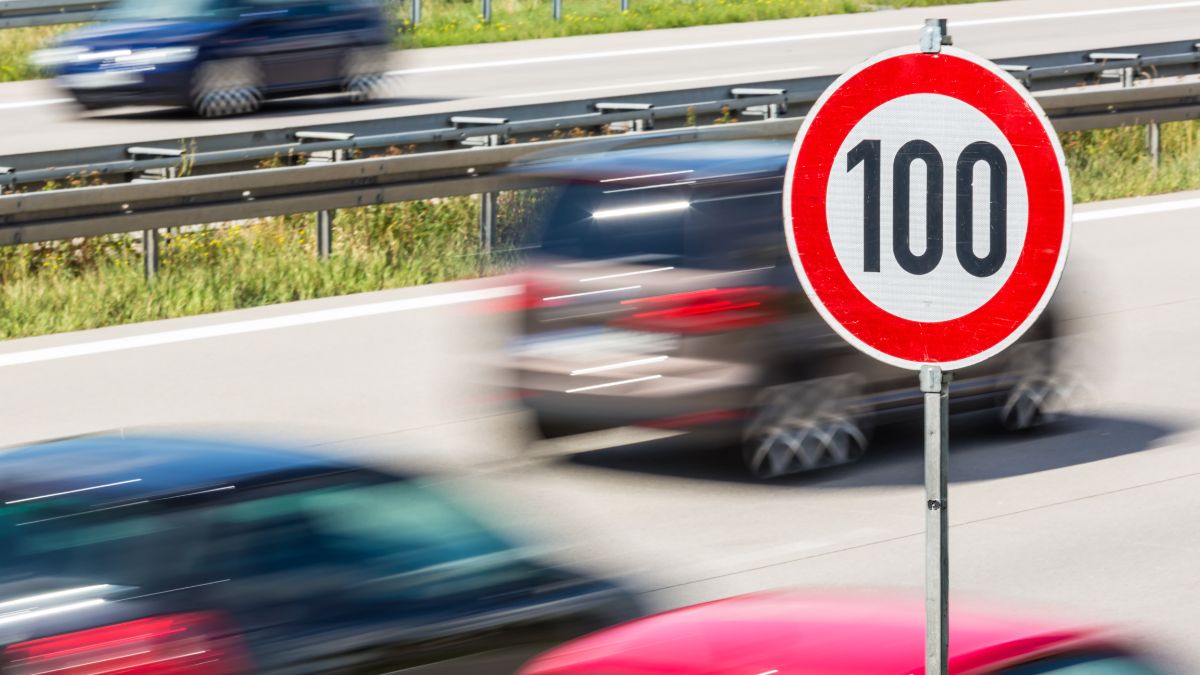
Many country roads have narrow lanes, uneven surfaces, poor visibility, or unsealed sections, which can make 100 km/h unsuitable. Travelling at that speed on unsafe roads increases the likelihood of crashes, deaths, and serious injuries.
Australia has about 860,000 kilometres of unsealed roads, roughly two-thirds of the national road network, many of which are narrow, rough, or poorly maintained – conditions that make high-speed travel unsafe.
Road safety experts argue that even a small reduction in travel speed can significantly reduce crash rates and the severity of collisions. Evidence supports that a 10% reduction in average speed can lower fatal crashes by up to 40%.
Balancing Safety, Productivity, and Cost
While lower speed limits can reduce fatalities, they also increase travel time for those who rely on rural roads, such as farmers, truck drivers, tradies, and regional commuters. Economic studies show a trade-off between time lost and road trauma savings.
Safety groups say lowering speeds is a cost-effective measure, but critics argue it’s a lazy government solution if not paired with proper road maintenance, upgrades, and driver education.
Many roads in rural Australia are poorly maintained, and without investment in surface quality and signage, changing the speed limit alone may not solve the problem.
A detailed Regulatory Impact Analysis will weigh these costs and benefits before any decision is finalised. Government modelling shows all proposed limits deliver a positive cost-benefit ratio, with stronger returns projected for 90 km/h and 80 km/h compared with 70 km/h.
Industry groups such as the Australian Trucking Association have cautioned that a blanket speed reduction could increase fatigue and freight costs, while road-safety advocates insist that lower limits on hazardous unsigned roads are vital to prevent fatalities.
Public Consultation: Have Your Say
The Department of Infrastructure is seeking public feedback on these proposed changes. The consultation focuses on reducing the open-road default speed limit outside built-up areas where no speed signs are posted. Submissions were accepted via the official “Have Your Say” platform until 5:00pm AEDT on 27 October 2025.
The consultation period has now closed, and the Department is reviewing submissions to inform the final recommendations.
Your feedback will help shape updates to the Australian Road Rules for both sealed and unsealed roads outside built-up areas.
Gradual roll-out of the new limits could begin in 2026, with each state and territory government responsible for enforcement.
What the Data Tells Us
Key facts highlight the urgency of addressing country road speed limits:
- 100 km/h default currently applies to roads outside built-up areas
- Two-thirds of road deaths occur on regional and remote roads
- 1,294 road deaths and 30,000 serious injuries recorded in 2024
- 11× higher fatality risk on regional roads than in cities
- Many rural roads are unsealed or in poor condition, making 100 km/h unsafe
These figures align with the National Road Safety Action Plan 2023-25, which aims to cut serious injuries by 30% by 2030.
Will Lower Speeds Really Improve Safety?
Research consistently links speed with crash severity. Travelling even slightly slower allows drivers to react faster and stop sooner, particularly on rough or unsealed roads. Reduced speeds can also make town crossings safer and improve the overall amenity of small regional communities.
However, experts agree that driver training is equally vital. Many fatal crashes in rural areas result from driver fatigue, distraction, or overconfidence, not just speed. Improving road design, signage, and driver education for rural conditions can complement lower limits for greater overall safety.
You can read more about how speed management affects road safety in our detailed guides on speed limits in Australia and speed and speed limits.
What Happens Next?
Once consultation closes, the Department will review all submissions and prepare a final impact analysis. Any approved changes will be reflected in the Australian Road Rules, which serve as model laws for state and territory adoption.
Because the Australian Road Rules act as model laws, each state and territory will decide whether and how to adopt the new limits. The Department expects the review and adoption process to take about 18 months following the close of consultation.
The goal is to create a system where road speed limits better reflect local conditions, reduce serious injuries and deaths, and support sustainable regional development.
FAQ Section
Why are speed limits on rural roads being reviewed?
Because many country roads are not designed for 100 km/h travel. The review aims to match speed limits to real-world road conditions and improve safety in regional areas.
What will the new default limits be?
Options include reducing the default speed limit on sealed rural roads to 90 km/h, 80 km/h, or 70 km/h, and setting new limits of 70 km/h or 80 km/h for unsealed roads.
Will these limits apply to all roads?
No. The new default limits would only apply to roads outside built-up areas that do not have posted speed signs.
How can I give feedback on the proposal?
Public consultation for the proposal closed on 27 October 2025. The Department of Infrastructure is now reviewing submissions to inform the final recommendations and any future updates to the Australian Road Rules.
When would changes take effect?
Gradual implementation could start in 2026, following review and state adoption.
Safe Driving Starts With Education
Understanding the rules and conditions that shape safe driving is essential, especially in regional areas where road conditions vary widely. That’s why LTrent’s accredited Safer Drivers Course helps learners and young drivers develop essential hazard-perception and risk-management skills, including how to adapt to different road environments.
By improving driver awareness and judgment, we can reduce the risks that lead to crashes, deaths, and serious injuries on both urban and rural roads.