Winter is widely considered the most challenging driving season. Snow, ice, and poor visibility combine to create hazardous conditions that demand extra caution and skill. Whether you’re navigating alpine resorts or urban roads, knowing how to drive safely in winter is essential for every driver.
In this guide, we’ll cover expert tips on how to drive better in the winter, how to stay mindful and focused on the road, and why winter driving requires special attention.
Why Is Winter the Most Difficult Driving Season?
Winter conditions bring unique challenges that can trip even experienced drivers. Snow and ice reduce tyre grip, increasing the risk of skidding. Black ice, which is hard to see, can appear unexpectedly. Cold temperatures affect vehicle performance, from the battery to windscreen wipers.
Additionally, shorter daylight hours reduce visibility, and unpredictable weather changes mean road conditions can shift rapidly. These factors combine to make winter the most demanding season for drivers. Poor visibility caused by low sun glare can also affect concentration — for advice on dealing with this, see our guide on driving safely with low sun.
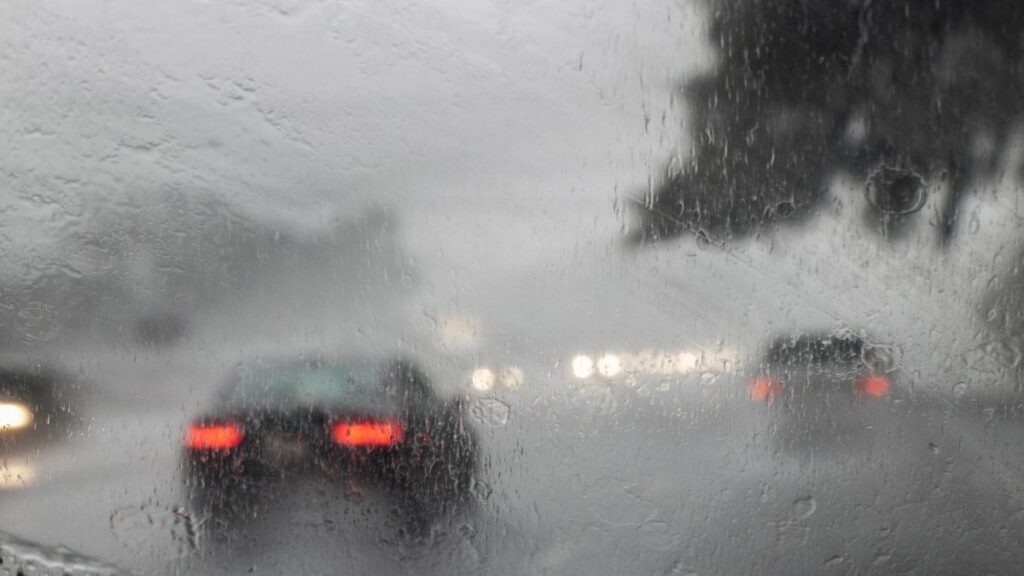
How to Drive Better in the Winter: Essential Tips
1. Check the Weather and Road Conditions
Before you set off, always check the weather forecast and road conditions. This helps you prepare for snow or ice and decide whether your journey is safe. Remember that wet weather driving can slow you down and requires extra care, so knowing what to expect is key to staying safe. For more information, visit our wet weather driving tips.
2. Adjust Your Speed and Avoid Sudden Actions
Driving slower gives you more time to react. Avoid sudden braking, accelerating, or sharp steering to reduce the risk of losing control.
3. Use Hazard Lights When Necessary
If visibility is severely reduced, such as during heavy snow or fog, use your hazard lights to alert other drivers.
4. Leave the Car in Gear When Stopped on Slopes
On hills or slopes, leave the car in gear (or in ‘Park’ for automatics) rather than relying solely on the handbrake, to prevent rolling.
5. Carry Snow Chains and Know How to Fit Them
In alpine regions, snow chains are often mandatory. Always carry chains, a torch, gloves, and even a plastic garbage bag to make fitting easier, especially in cold and slippery conditions. Fit chains in designated fitting bays on level ground to ensure safety.
6. Maintain Your Vehicle for Winter
Check your tyres, battery, windscreen wipers, and fluid levels. Good wipers are crucial to clear snow and ice from your windscreen, improving visibility.
How Can I Be Mindful While Driving in Winter?
Mindfulness means staying fully aware of your surroundings and your vehicle’s behaviour. Here’s how:
- Stay calm and patient. Don’t rush, even if you’re late.
- Constantly scan the road for hazards like ice patches, fallen branches, or stalled vehicles.
- Use your mirrors frequently to stay aware of traffic behind and beside you.
- Follow road signs carefully, especially those warning of winter hazards or snow chain requirements.
How Do You Stay Focused on the Road While Driving?
Winter roads require extra concentration:
- Avoid distractions like mobile phones or loud music.
- Keep both hands on the wheel and maintain a steady grip.
- Anticipate other drivers’ behaviour—many may struggle with conditions.
- Maintain a safe following distance, as stopping distances increase on slippery roads.
If you want to learn more about staying alert in low-visibility conditions, check out our safety tips for night driving.
Preparing for Winter Driving: What to Carry in Your Car
Always be prepared for emergencies by carrying:
- Snow chains (when applicable), gloves, and a plastic garbage bag to help fit chains easily
- A torch for visibility in dark or foggy conditions
- Warm clothing and blankets in case you get stranded
- A fully charged mobile phone and a car charger
Improving Your Winter Driving Skills
If winter driving feels daunting, consider professional training to boost your confidence and skills. Our Safer Drivers Course is designed for learner drivers to anticipate hazards and make better decisions on the road.
Be a Safer Driver, Now
The Safer Drivers Course is ideal for learner drivers in NSW under 25 with a minimum of 50 logbook hours. It combines theory and practical training, helping you reduce risks and anticipate hazards effectively. Upon completion, you’ll earn an extra 20 logbook hours—fast-tracking your journey to full licensing.
Join this 5-hour course with your friends and learn essential safe driving techniques to become a more confident, capable driver in all conditions.