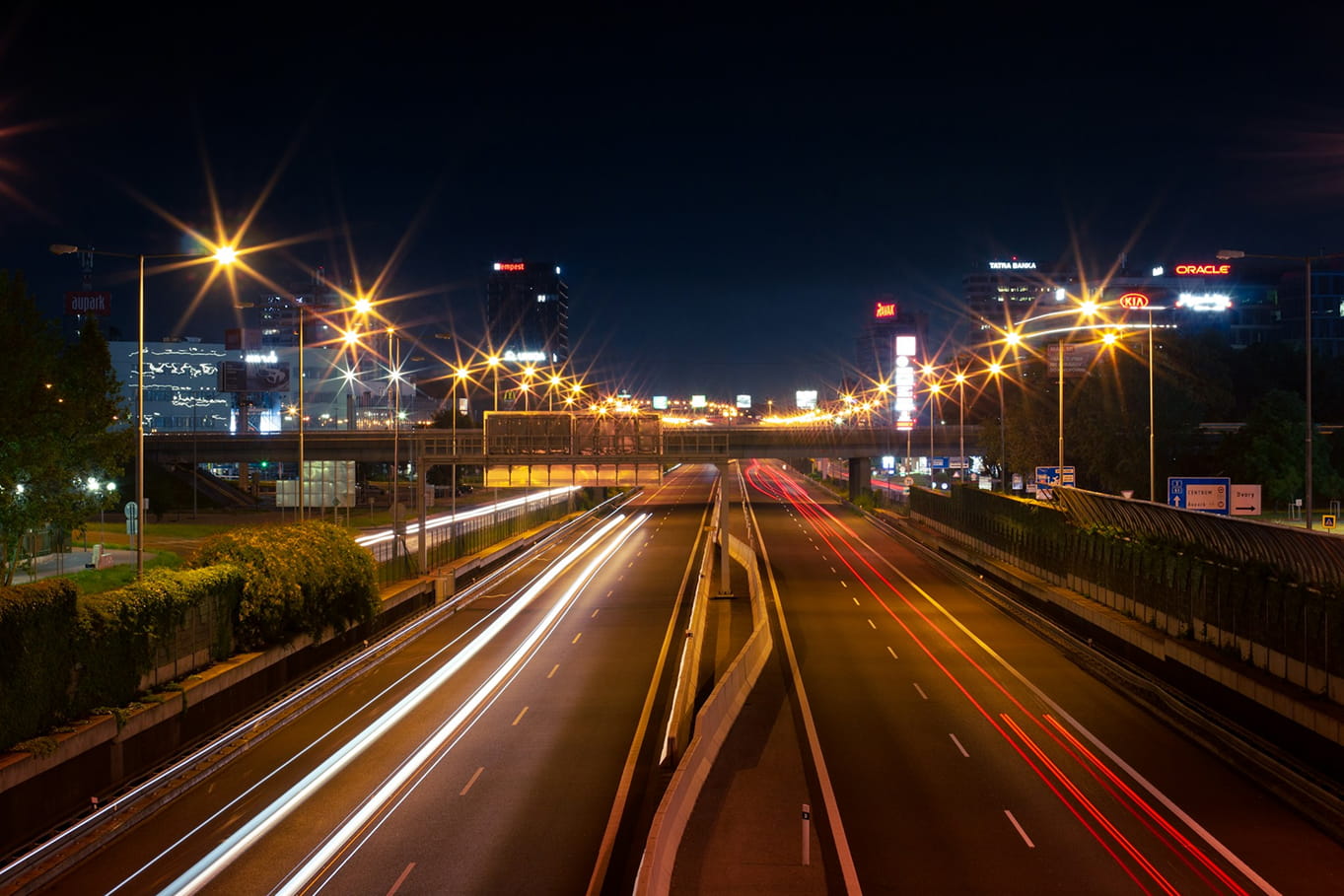


You know the intersection. You’ve driven through it plenty of times. Then you arrive after dark and suddenly you’re looking twice before making the same turn.
That’s not unusual.
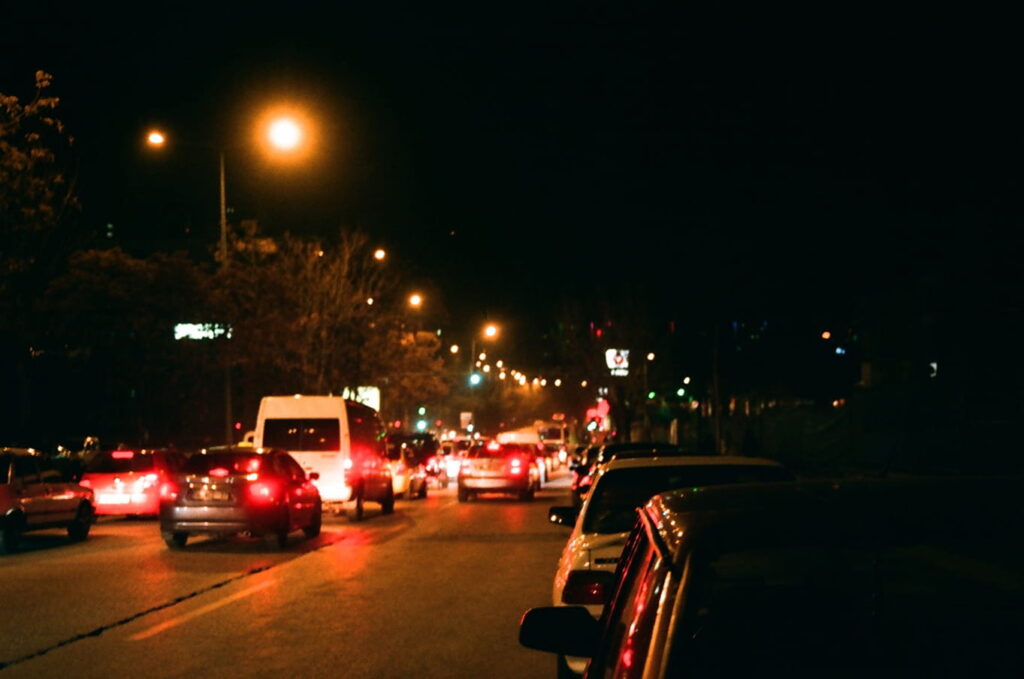
An intersection can look and behave differently at night, even when the road itself hasn’t changed. Street lighting may leave some areas harder to see, headlights can draw your attention away from other road users, and it can take longer to work out where another vehicle is coming from.
For learner drivers, that can make a familiar intersection feel much less familiar.
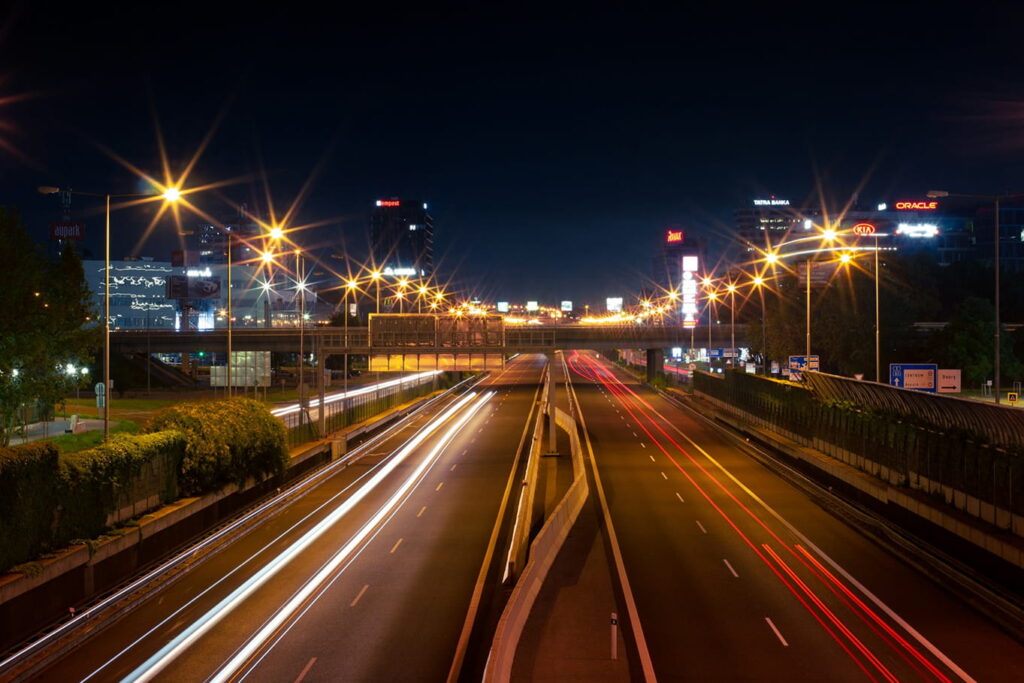
Why does a familiar intersection look different at night?
During the day, there’s usually a lot of information around you. You can see buildings, parked cars, signs, road markings and the shape of the road more easily.
At night, some of that information fades into the background.
You might still know exactly where the intersection is, but you may not be able to see every part of it as clearly. A pedestrian waiting near the corner could be harder to spot. A cyclist may not stand out against a dark background. A vehicle approaching from a poorly lit side road can also take longer to notice.
The intersection hasn’t become more complicated. You’re simply working with less visual information.
That matters when you’re trying to make decisions quickly.
Street lighting doesn’t always tell the whole story
Good street lighting can make a big difference, but not every part of an intersection will be lit equally.
You might have a well-lit approach to the intersection and then find that the road you’re turning into is much darker. A tree, building or parked vehicle can also create areas that are harder to see.
This is why it’s worth looking beyond the part of the road that’s immediately in front of you.
As you approach an intersection, take in what’s happening around the sides as well. Look for movement, headlights, pedestrians and anything else that could affect your next decision.
You don’t need to stare at one particular spot. Keep your eyes moving and give yourself time to take in the whole intersection.
Judging gaps can feel different after dark
One of the trickier parts of an intersection at night is working out how far away another vehicle really is.
A pair of headlights doesn’t give you the same amount of information as seeing the whole vehicle in daylight. It can be harder to judge its position, speed or how quickly it’s approaching.
This becomes especially important when you’re turning across traffic or entering a road where you need to find a safe gap. It’s also worth being familiar with the NSW rules around stopping, giving way and turning at intersections.
If you’re unsure, there’s no benefit in rushing.
Take the extra moment to work out what’s happening rather than making a decision because you feel like you should go. Waiting for a clearer gap is part of making a good decision.
Headlights can be distracting
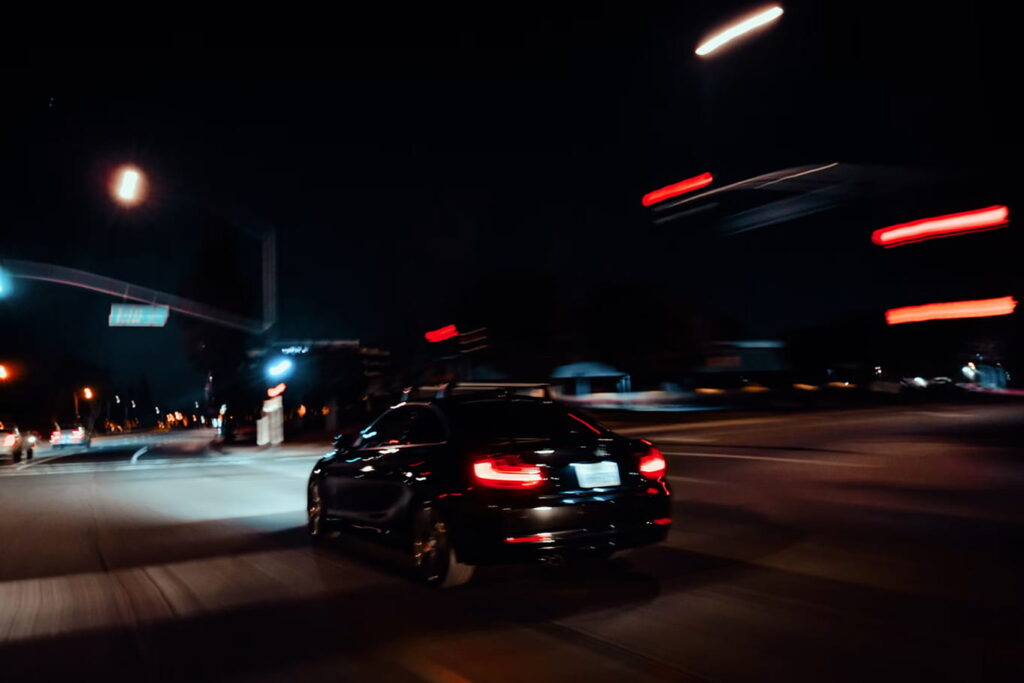
You might have a clear view of an intersection until a vehicle approaches with bright headlights.
For a moment, your attention can be pulled towards the glare. At the same time, there may still be pedestrians, vehicles or other road users around the intersection that you need to keep track of.
This is one reason it’s important not to fix your attention on a single vehicle.
Keep scanning the intersection and pay attention to what’s happening around the glare. If you’re turning, also make sure you’ve checked the path you’re moving into rather than concentrating only on the approaching vehicle.
Familiar doesn’t always mean predictable
Knowing an intersection can actually make you feel more comfortable than you should.
You may have driven through it hundreds of times, so you already know where to stop, which lane to use and where the road goes next. But the traffic around you won’t necessarily behave the same way every time.
At night, you may encounter a cyclist you didn’t expect, a pedestrian crossing later than usual or a vehicle approaching from a direction you weren’t watching.
Knowing the intersection doesn’t tell you what everyone else is going to do. Keep watching what’s happening around you rather than relying on what you normally expect to see.
Give yourself more time at unfamiliar moments
You don’t need to treat every intersection at night as a difficult one.
Some will be well lit and easy to read. Others might take a little more concentration, particularly if you’re dealing with heavy traffic, glare or limited visibility.
If something doesn’t look right, don’t feel pressured to work it out immediately.
Maybe you’re not sure whether a vehicle is turning. Perhaps you can’t clearly see the road beyond the intersection. Or you noticed movement but can’t work out exactly where it’s coming from.
Those are moments when it makes sense to slow things down and take another look.
The intersection may be familiar, but what you’re seeing in front of you isn’t always going to be.
What can learners practise at night?
You don’t need to wait until you’re nervous at a difficult intersection to work on these skills.
During a driving lesson, you can talk through what you’re seeing as you approach an intersection. Your instructor can also point out things you may not have noticed, such as a pedestrian waiting in a darker area or a vehicle that’s harder to judge from its headlights.
You can practise:
- Scanning the whole intersection rather than focusing on one vehicle
- Looking for pedestrians and cyclists in darker areas
- Judging the speed and distance of approaching vehicles
- Checking for vehicles entering from side roads
- Managing glare from headlights
- Taking extra time when you’re unsure about a gap
- Adjusting your speed and approach to suit what you can see
You don’t need to run through a checklist every time you approach an intersection.
The important thing is learning to notice what has changed and respond to it.
Why some intersections feel worse than others
Not every intersection will challenge you in the same way.
A brightly lit intersection with clear lane markings might feel almost identical to driving through it during the day. A poorly lit intersection with several turning movements can be a completely different experience.
Traffic also makes a difference.
An intersection that’s quiet at 9pm may be much harder to manage during a busy evening period. Add rain, glare or pedestrians, and there’s even more to process. NSW Government guidance recommends that learner drivers practise on different types of roads, with different levels of traffic and at different times of day, including night driving.
That’s why one difficult intersection doesn’t mean you’re suddenly bad at night driving.
It may simply be a combination of things you haven’t had much experience with yet.
Don’t let familiarity switch off your observation
The other risk with a familiar intersection is becoming too comfortable with your usual routine.
You know the road. You know the lights. You know where you’re going. That can make it tempting to approach the intersection in the same way every time.
At night, though, the conditions can change what you can see. You might need more time to check a side road, judge an approaching vehicle or pick out a pedestrian.
The intersection may be the same one you’ve driven through during the day. Your approach to it shouldn’t be on autopilot.
Night driving gets easier when you know what to look for
Familiar intersections can feel different after dark because you’re dealing with less visual information and more uncertainty about what you can see.
That doesn’t mean you need to avoid them. With practice, you can become more comfortable reading the road, judging gaps and spotting hazards when visibility changes.
And if an intersection still feels difficult, that’s useful information too. It gives you something specific to work on rather than simply thinking that you’re “bad at night driving”.
The goal isn’t to make every intersection feel easy. It’s to know how to handle the ones that aren’t.
Get more practice with night driving
If certain intersections feel harder after dark, an LTrent instructor can help you practise reading the road, judging gaps and responding to changing conditions in a supervised setting.