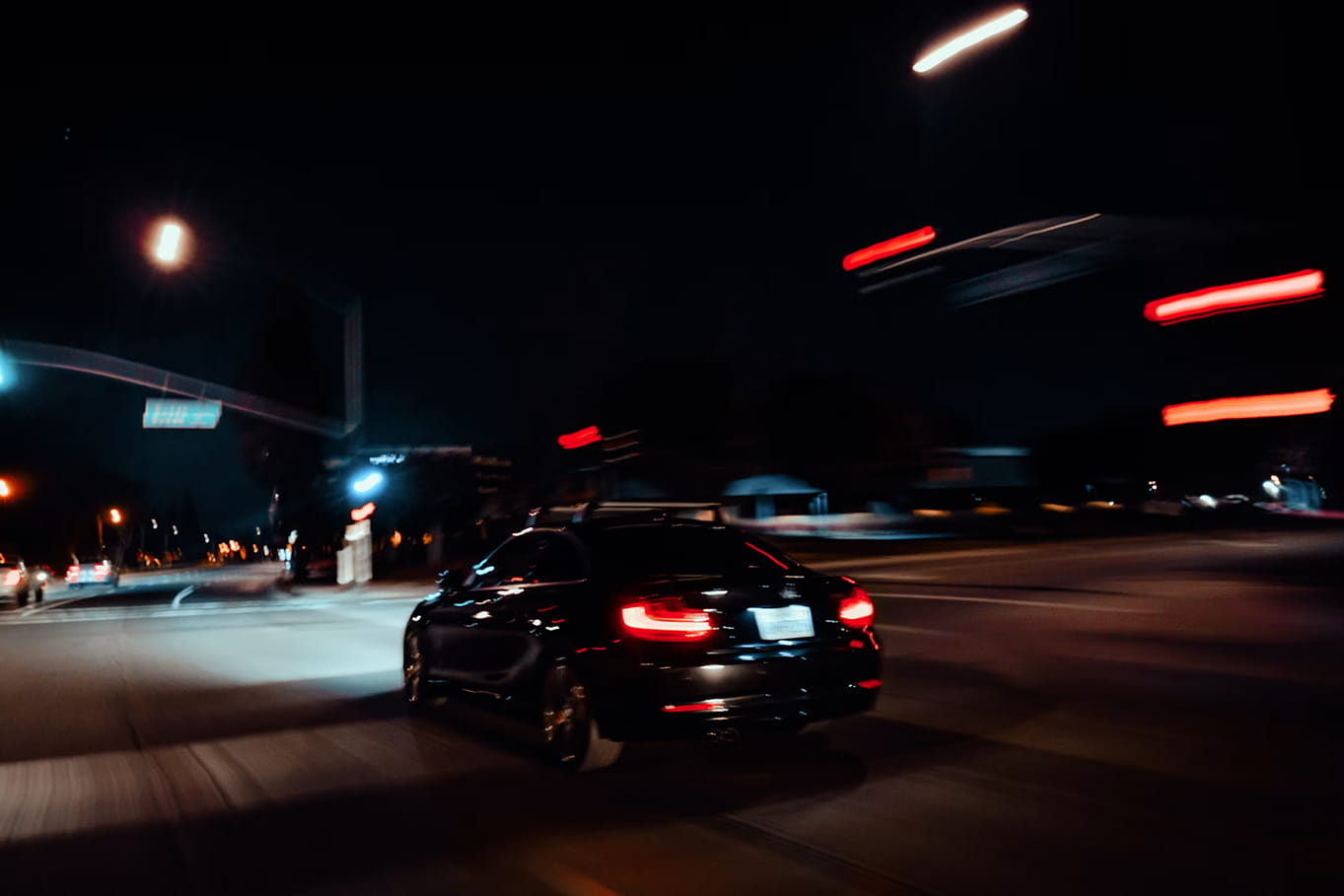


You know the road. You’ve driven it during lessons, you know where the turns are, and you probably know where the traffic lights and roundabouts are. Then you drive the same route after dark and, somehow, it feels completely different.
That’s not unusual. Once the sun goes down, you lose many of the visual cues you normally use to understand the road. Things can be harder to spot, distances can be less obvious and parts of the road may only become clear when they come into your headlights.
For learner drivers, that can make a familiar route feel much less predictable than it does during the day.
Familiar roads can look very different at night
During the day, you can see much more of what’s around the road. Buildings, trees, driveways, parked cars and signs all help you work out where you are and what’s coming next.
At night, some of those details disappear into the darkness.
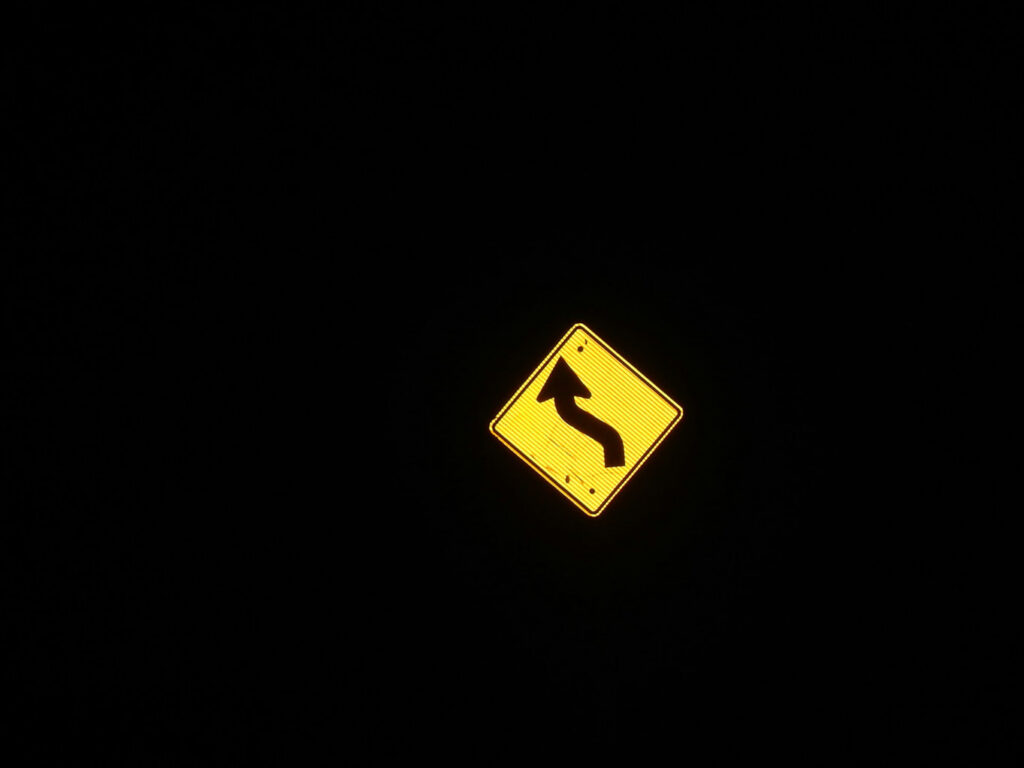
You might still recognise the road, but you may not see a bend until you’re closer to it. A side street can be harder to pick out. The edge of the road might blend into the surrounding area, particularly when there isn’t much street lighting.
Even familiar landmarks can look different under artificial light.
That’s why knowing the route doesn’t mean you can switch off your observation. You still need to pay attention to what is actually in front of you rather than relying on what you remember from driving there during the day.
Why is it harder to judge distance at night?
Judging how far away something is can take more effort when there is less light.
Take a car parked on the side of the road. During the day, you can see the whole vehicle and its surroundings. At night, you might mainly notice its lights or the part of the car caught by your headlights.
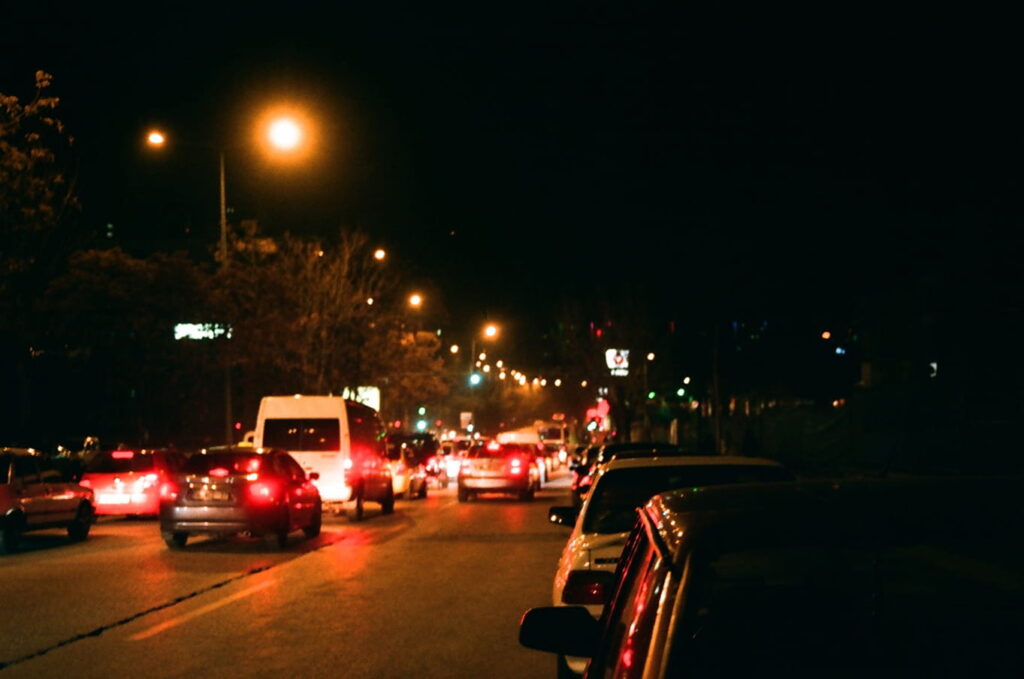
The same applies to vehicles travelling ahead of you. Their tail lights give you useful information, but you have fewer visual details to help you judge exactly how far away they are.
This can make it harder to judge gaps and distances at first.
Giving yourself time to process what you’re seeing is important. Rather than making a quick assumption about how far away something is, keep looking ahead and reassess as you get closer.
Can your speed feel different at night?
It can.
During the day, there are plenty of things moving through your peripheral vision. Trees, buildings, parked cars and other features can give you a sense of how quickly you’re travelling.
A darker road has fewer of those reference points.
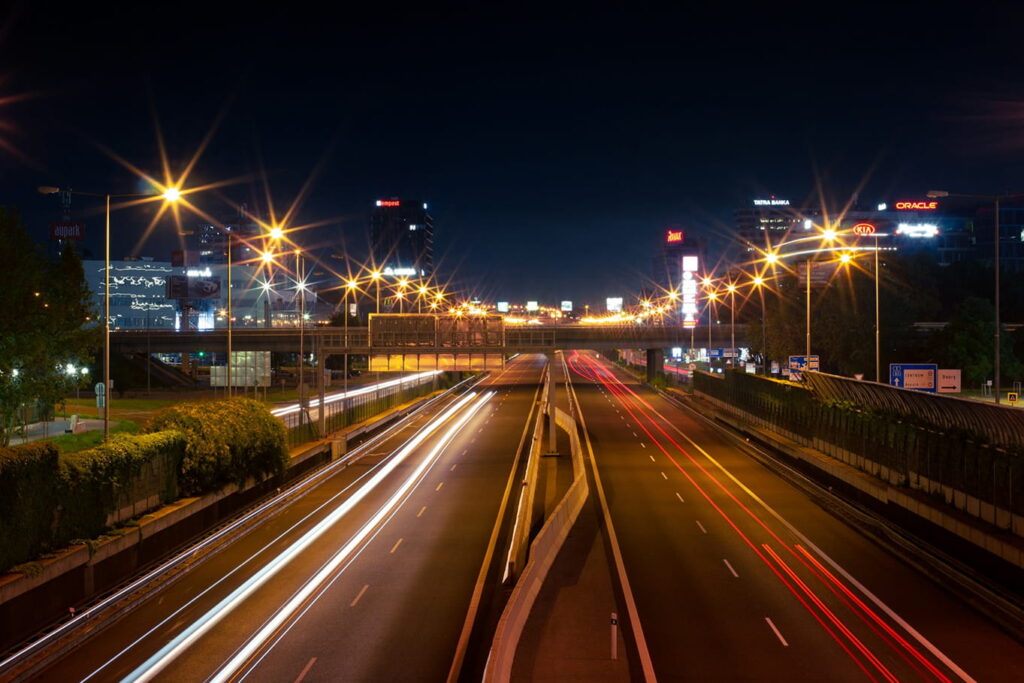
You might find that a road feels slower than it actually is, particularly when traffic is light and there’s little around you. On the other hand, a busy road with lots of lights and movement can feel very different.
This is one reason it’s worth checking your speedometer regularly rather than relying only on how fast the car feels.
Your speed also needs to suit the conditions. If visibility is reduced or you’re finding it harder to see what is ahead, having more time to react becomes even more important.
Why can the road layout be harder to read?
A road can be perfectly familiar and still be harder to follow at night.
Think about a bend you’ve driven through many times. During daylight, you might see the curve of the road well before you reach it. At night, your headlights may reveal only part of that curve at a time.
The same thing can happen with intersections, lane changes and changes in the direction of the road.
You might know that a turn is coming because you remember the route, but that doesn’t tell you what you’ll encounter when you get there.
There could be a vehicle waiting to turn, a pedestrian crossing the road or another car approaching from a side street.
Your memory of the road is useful for navigation. It shouldn’t replace what you’re seeing in front of you.
Some hazards are simply harder to spot
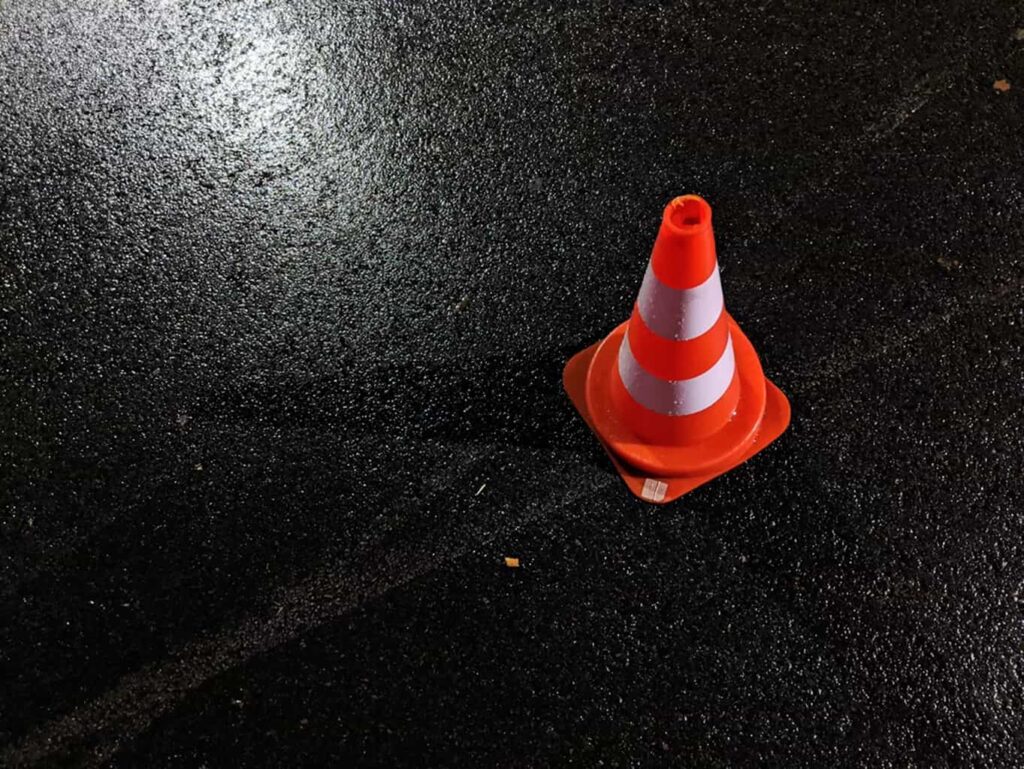
Darkness can make some hazards much less obvious.
A pedestrian near the edge of the road, a cyclist, an animal or a stopped vehicle may not stand out against a dark background. You may only notice them once they enter your headlights or move into a better-lit area. The NSW Government’s warnings and hazards guidance covers some of the hazards and changing road conditions drivers should be prepared to recognise.
That difference matters because spotting something later gives you less time to work out what it is and decide what to do.
This is where good observation habits become especially important.
Keep looking well ahead rather than focusing only on the area immediately in front of the car. Check your mirrors, pay attention to the edges of the road and look for anything that could change your path.
You don’t need to assume that something will be there. You just need to stay ready for the possibility.
Why does night driving take more concentration?
Part of the challenge is simply having less information available.
During the day, your surroundings give you plenty of clues without you having to think about them. At night, you may have to make a more conscious effort to work out what you’re looking at. Understanding how to drive in poor visibility conditions is an important part of adapting to these changes and knowing how to respond when you can’t see as clearly.
That’s why a route that feels easy during the day can leave you feeling more mentally tired at night.
You might be concentrating on where the road goes, checking your speed, watching traffic and trying to pick out anything beyond the reach of your headlights.
None of that means you’re doing something wrong. It can take time to get used to driving when visibility is different.
The important thing is to avoid becoming so focused on one thing that you miss everything else around you.
How can you get more comfortable driving at night?
You don’t need to start by tackling the hardest night-driving conditions.
If you’re still gaining experience, practising a familiar route with an experienced supervising driver can give you an opportunity to notice how much the environment changes after dark.
You may find that some parts of the route feel completely normal while others require more concentration.
Pay attention to those differences.
Was a particular bend difficult to see? Did you find it harder to judge the distance between vehicles? Did your speed feel different from what you expected?
Those are useful things to discuss with your driving instructor. They can help you identify what needs more practice instead of simply telling yourself that you need to become more confident.
As you become comfortable, you can gradually experience different roads, traffic levels and lighting conditions.
The road hasn’t changed, but what you can see has
Night driving can feel strange on a road you know well because you’re working with a different set of visual information.
The road is still there. The speed limit is still the same. The turns haven’t moved. But some of the things that helped you understand the road during the day are harder to see.
That can affect how you judge distance, perceive your speed, read the road layout and notice hazards.
For learner drivers, recognising this difference is useful in itself. Instead of wondering why a familiar road suddenly feels unfamiliar, you can understand that your surroundings are giving you less information.
With practice, you’ll become better at working with what you can see, adjusting your observation and making decisions based on the conditions in front of you.
Ready to build your confidence at night?

Getting comfortable with night driving takes practice. LTrent instructors can help you develop your observation, decision-making and vehicle control in different driving conditions.
Book a driving lesson and start building the skills you need to feel more confident behind the wheel.