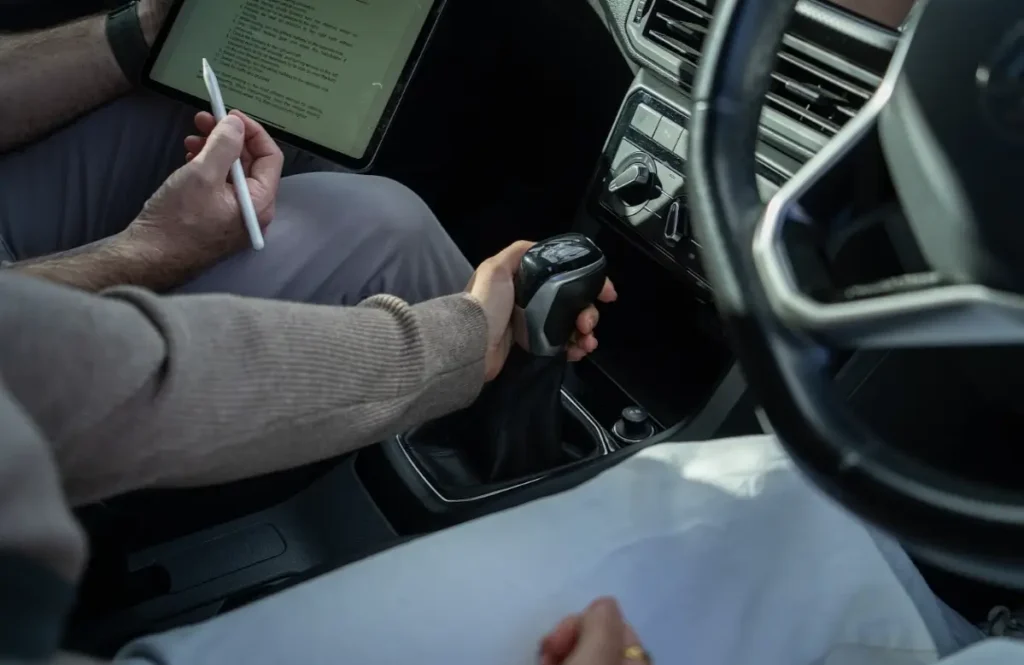
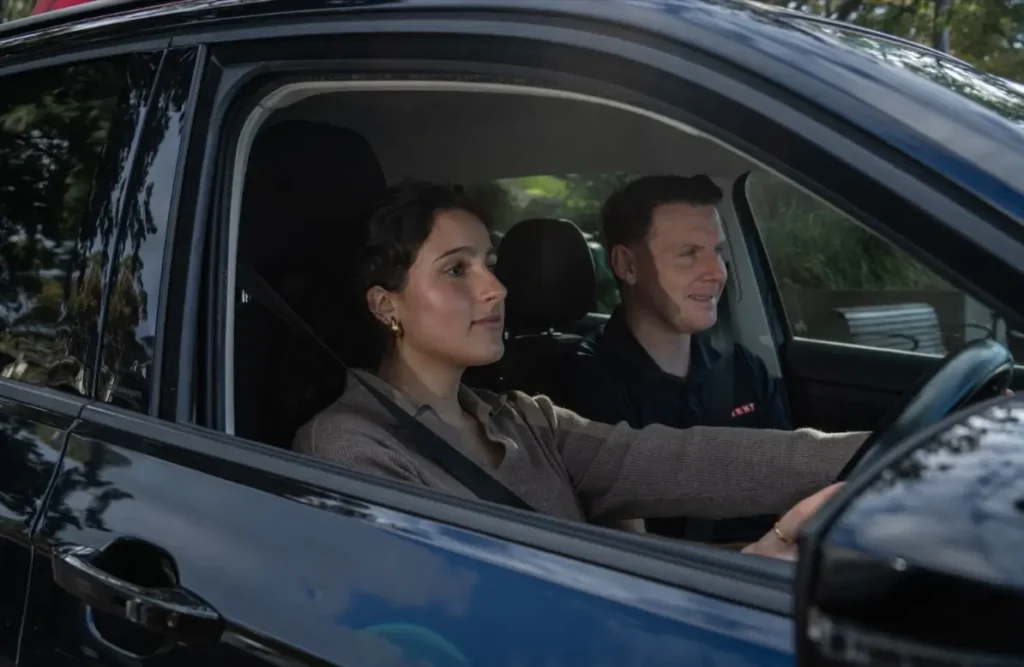
If you’re teaching your son or daughter to drive, there’s a good chance you’ve wondered whether professional driving lessons are really necessary.
You may have also discovered something else. Conversations that are easy at home can suddenly become frustrating once you’re both in the car.
It’s a fair question. You’re already spending hours in the passenger seat, helping them build confidence and gain experience. You know the roads they’ll be driving on, and you’ve been driving yourself for years.
The honest answer is yes. Plenty of learners develop their driving skills without ever taking a professional lesson.
The more important question isn’t simply whether you can teach them. It’s whether being their parent and being their driving coach are the same job.

You’re already teaching more than you realise
If you’ve been supervising practice for a while, you’ve probably already noticed small improvements. The gear changes become smoother, parking feels less stressful, and your child starts making decisions without needing quite as much prompting.
Those moments matter because confidence rarely develops during one lesson. It grows through repetition. Every trip to school, every weekend errand, and every supervised drive gives your child another opportunity to become more comfortable behind the wheel and apply what they’ve learned in different situations.
As a parent, you’re also in a unique position. You can encourage regular practice, introduce your child to roads they’ll use every day, and give them opportunities to drive in different traffic conditions as their confidence grows.
Professional lessons can’t replace that.
Here’s where instructors bring something different

If you’re still deciding whether professional lessons are worthwhile, it helps to think about what they offer that can be difficult to provide at home.
An experienced instructor isn’t just watching whether your child can steer or park. They’re paying attention to the small habits that often go unnoticed, such as when they check their mirrors, how they read traffic, whether they recognise developing hazards, and how they make decisions under pressure.
Because they’ve taught hundreds of learners, they can often spot patterns long before they become long-term habits.
That doesn’t make your role less important.
It simply means you’re both helping your child in different ways.
One of the biggest differences isn’t technical knowledge. It’s the relationship. As a parent, you’re naturally invested in your child’s safety, which can make every mistake feel more stressful. An instructor, on the other hand, can focus entirely on coaching the learner without the emotional pressure that often comes with being Mum or Dad.
The hardest things to teach are often the things we no longer think about
Most experienced drivers make hundreds of decisions without consciously thinking about them.
Checking mirrors, reading traffic conditions, adjusting speed, or anticipating what another driver might do often becomes automatic after years of driving. That experience is valuable, but it can also make it harder to explain each decision to someone learning for the first time.
It’s also possible to unintentionally pass on habits that have developed over many years of driving. While these habits may not cause problems in everyday situations, they may not always reflect current best practices or help a learner understand the reasoning behind safe decision-making.
One of the biggest advantages of professional instruction is having another set of experienced eyes watching your child’s progress. An instructor can provide immediate feedback, explain why something needs to change, and suggest practical driving techniques that you can continue reinforcing during supervised practice.
Forget counting lessons for a moment
One of the most common questions parents ask is whether there’s a minimum number of professional lessons a learner should complete before taking their driving test.
It’s easy to compare your child with friends or classmates who seem to be progressing faster. Some learners feel ready after relatively few lessons, while others need more time behind the wheel before everything begins to click.
Neither approach is right or wrong. What matters is whether they’re becoming a safer, more confident driver each time they practise.
The same applies to questions like whether 20 lessons are enough to pass. For one learner, they might be. For another, additional instruction and practice may be beneficial. Progress depends on many factors, including previous experience, the quality of supervised practice, how often someone drives, and how well they respond to feedback.
Rather than focusing on a specific number of lessons, it’s more useful to ask whether the learner consistently demonstrates safe judgement, awareness of other road users, and confidence across different driving conditions.
Passing the test is only part of the picture
By the time a learner reaches their driving test, they can usually steer, brake, accelerate, and follow directions without much difficulty.
As a parent, it’s easy to focus on the visible skills. Smooth steering, parking neatly, or completing a three-point turn often feel like signs that your child is ready.
During a driving test, however, assessors are often paying closer attention to what can’t always be seen at first glance. Are they scanning ahead? Do they recognise developing hazards? Are they making safe decisions without being prompted?
Many learners don’t lose marks because they can’t control the car. They lose marks because they miss something happening around them or make the wrong decision under pressure.
These are skills that improve through repeated practice, constructive feedback, and exposure to a wide range of driving situations rather than simply spending more hours behind the wheel.
How parents can get the most out of supervised practice
Parents don’t need to have all the answers to be effective supervising drivers. In fact, some of the most valuable practice sessions are the ones that encourage learners to think independently rather than simply follow instructions.
Remember that your role isn’t to replicate a professional driving lesson. It’s to give your child the opportunity to practise what they’re learning, build confidence through experience, and create a calm environment where mistakes become learning opportunities rather than arguments.
A few ways to make supervised practice more productive include:
- Resist the urge to give instructions too early. Giving your child a few extra seconds to recognise a situation and decide how to respond helps build independent decision-making.
- Drive beyond familiar routes. Confidence grows when learners experience different traffic conditions, not just roads they already know.
- Talk after the drive, not during every moment of it. A short conversation afterwards often helps learners reflect more effectively than constant corrections while they’re driving.
- Don’t be afraid to let someone else step in occasionally. A professional instructor may notice habits that are difficult to spot when you’ve been practising together for months.
These conversations help learners develop judgement, not just driving skills.
Safe, independent driving is the real goal
If you’re teaching your child to drive, remember that you don’t have to do it alone.
At LTrent, we believe parents are a key part of the learning journey. Professional lessons will never replace the encouragement, support, and real-world practice you provide. Instead, they complement your role by helping learners build safe habits, develop confidence, and receive objective coaching from someone whose only job is to teach.
Together, regular supervised practice and professional instruction can help your child get not just test-ready but also ready for the everyday decisions that come with driving independently.