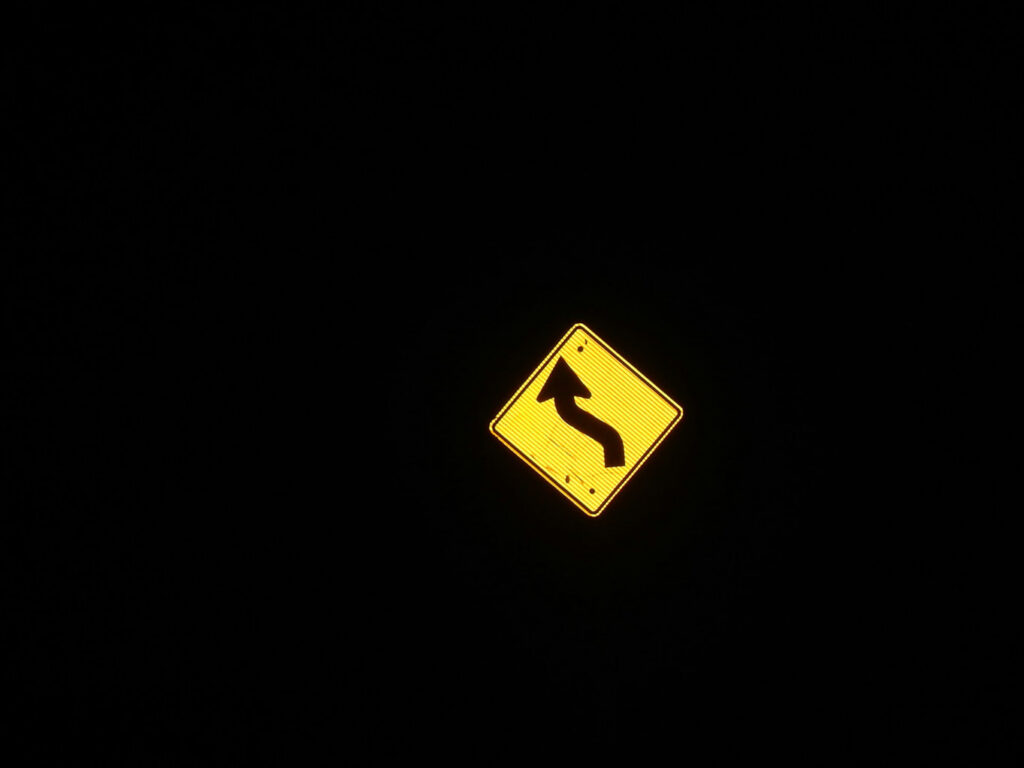
If you’ve ever driven in Australia, particularly in Melbourne, you may have come across the unique road rule known as a hook turn. It’s a manoeuvre that allows vehicles to turn right from the far left lane at certain traffic lights. For many drivers and visitors, this rule can be confusing at first, but once you understand the steps, it becomes a practical way to manage traffic at busy intersections.
How Does a Hook Turn Work?
A hook turn is performed when you want to turn right but are in the far left lane at an intersection marked with a hook turn sign. To perform the manoeuvre, you must move into the designated hook turn bay, wait for the lights to change, and then complete your right turn when it’s safe, rather than waiting in the middle of the road for a gap in oncoming traffic.

To perform a hook turn:
- Move into the far left lane where the hook turn only sign is displayed.
- Indicate right to signal your intention.
- Enter the intersection and keep as far left as possible, without stopping on foot crossing markings.
- Wait until the traffic light for the road you want to turn into turns green.
- When safe, complete your right turn and continue your journey.
This manoeuvre may sound unusual, but it has a clear purpose. Hook turns were originally introduced in Australia to fast-track tram movements, keeping tram lines free of obstruction while allowing straight-through traffic to continue smoothly.
Why Do Hook Turns Exist?
The main reason hook turns remain vital is Melbourne’s extensive tram network. By shifting right-turning traffic out of the centre lanes, trams and buses avoid delays, and busy intersections remain safer for pedestrians and vehicles. Today, there are no fewer than 49 hook turns scattered across Melbourne’s Central Business District (CBD).

For more context, see our guide on why Melbourne has hook turns.
Benefits of Hook Turns
- Improved safety: Drivers avoid blocking trams or sitting across busy lanes.
- Reduced congestion: Intersections remain clearer for smoother traffic flow.
- Efficient for large intersections: Prevents gridlock in areas with heavy pedestrian and vehicle activity.
Hook turns may feel tricky at first, but they are an effective traffic management solution once mastered.
Common Mistakes and Penalties
Failing to follow the hook turn rule can result in demerit points and a fine. Common mistakes include:
- Not indicating right while waiting in the left lane
- Blocking pedestrian or foot crossing markings
- Attempting a hook turn where no hook turn sign is present
- Moving before the lights indicate it’s safe
In Victoria, the penalty for incorrectly performing a hook turn in a vehicle is 5 penalty units, as defined by the official road rules.
- Not indicating right while waiting in the left lane.
- Blocking pedestrian or foot crossing markings.
- Attempting a hook turn where no hook turn sign is present.
- Moving before the lights indicate it’s safe.
In Melbourne, failing to comply with hook turn signs can result in a $117 penalty in addition to demerit points. As with other misunderstood rules, such as roundabout rules in Australia or U-turn regulations, it’s important to know the correct procedure to avoid penalties.
Hook Turns Outside of Melbourne
While hook turns are mostly associated with Melbourne, they are also permitted in some other cities, though less common. Internationally, countries such as Japan, Taiwan, Germany, the Netherlands, and New Zealand have implemented hook turns, but none use them as extensively as Melbourne. In Sydney, Canberra, and other major Australian cities, drivers are unlikely to encounter them but knowing how they work ensures you’re prepared for any journey.
FAQs About Hook Turn
What Are the Benefits of Hook Turns?
Hook turns improve safety by reducing the risk of right-turn collisions and keeping intersections clear for trams, buses, and other vehicles. They also reduce congestion, making busy city driving more efficient.
How Many Cars Can Do a Hook Turn?
Multiple cars can perform a hook turn, depending on the size of the intersection and the waiting space available. However, all vehicles must position themselves safely in the designated left lane and wait for the correct signal before turning.
Learn with LTrent
If road rules like hook turns leave you uncertain, you’re not alone. Many learners and even experienced drivers find them confusing at first. At LTrent, our expert instructors provide comprehensive driving lessons that cover all aspects of Australian road rules, from complex intersections to everyday driving. With over 55 years of experience, more than 400,000 students, and 1,000+ five-star reviews, LTrent is trusted as Australia’s #1 driving school.
Our structured curriculum helps you learn faster, pass your test sooner, and drive with confidence. Explore our driving lessons to see how we can help you on your journey.
Note: LTrent no longer offers services in Victoria.