Reverse parallel parking can be one of the most intimidating tasks for learner drivers, but it’s also one of the most important to master. Whether you’re preparing for your driving test or just want to park confidently on busy Australian streets, knowing how to reverse parallel park will serve you well. In fact, understanding how to parallel park is often required to pass your driving test in NSW, ACT and QLD.
In this guide, we’ll walk you through every step of the reverse parallel parking manoeuvre and share practical tips to boost your confidence behind the wheel.
What is Reverse Parallel Parking?
Reverse parallel parking (also known as kerbside parking or parallel parking) is a technique where you park your car parallel to the kerb between two parked vehicles. Unlike driving straight into a parking bay, this method requires you to reverse into the space from the road.
Many learner drivers wonder: “How do I reverse park?” or “How can I do parallel parking safely?” This type of parking is a critical skill tested in most Australian driving exams and essential for daily driving, especially in urban areas where parking spaces are tight.
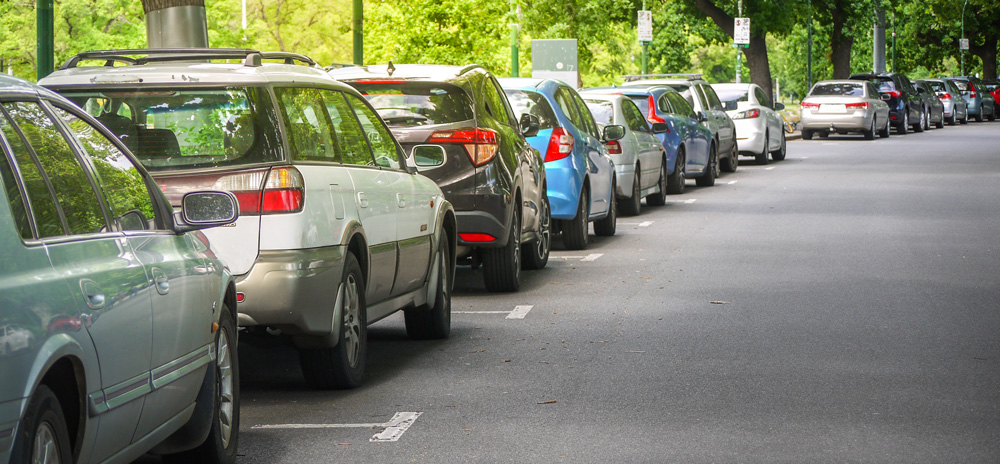
How to Reverse Parallel Park
Mastering reverse parking is all about precision and control. Follow the step-by-step method below to learn how to do a parallel park like a pro.
Step 1: Identify Where You Will Park
Find a suitable parking spot that’s at least one and a half car lengths long. Ideally, it should be between two cars, but if you’re new to reverse parallel parking, start by practising behind just one car with space behind it.
Step 2: Approach the Car You Will Be Parking Behind
Indicate left as you prepare to park. Slowly pull up alongside the vehicle in front of the space where you intend to park. Your car should be parallel to the parked car and around half a metre away from it. This gives you enough space to manoeuvre safely without getting too close to the other vehicle.
Step 3: Prepare to Begin the Reverse Parallel Parking Manoeuvre
Once you’re in position, come to a complete stop. Check your mirrors and blind spots for cyclists, cars or pedestrians. Remember, you’re about to reverse and you need to make sure it’s completely safe to begin.
Step 4: Begin to Reverse into a 45 Degree Angle
Put your car in reverse and begin slowly backing up while turning your steering wheel toward the kerb (left in Australia). Your car should start angling into the space at roughly 45 degrees. Keep an eye on your rear-view mirror and reference points like the back wheel of the car in front to guide your turn.
Step 5: Reverse Straight Back
When your car is at a 45-degree angle and your front wheels are clear of the car ahead, straighten your steering wheel. Continue reversing slowly. Keep checking your mirrors and blind spots throughout this process.
Step 6: Swing the Car Until It Is Parallel to the Kerb
Once your front bumper is clear of the car in front and your car is mostly in the space, turn the steering wheel away from the kerb. This will bring the rear of your car in and align it with the kerb. When done correctly, your car should now be parallel to the kerb.
Step 7: Move the Car into the Final Position
If needed, make small adjustments to position your car evenly within the parking space. Your car should be within 30 cm of the kerb and not sticking out. Don’t rush. How to reverse park well often comes down to small, careful movements.
When Leaving the Car Park
Before you pull out of a reverse parallel park, check your mirrors and blind spots for oncoming vehicles, cyclists or pedestrians. Indicate right and, once it’s safe, gently steer away from the kerb and re-enter the traffic.
Tips & Tricks for Reverse Parallel Parking
Perfecting your parallel parking technique doesn’t happen overnight. Here are a few tips to help you along the way.
Tip 1: Don’t Forget to Check Your Mirrors
Your mirrors are your best friend during any reverse parking manoeuvre. Constantly scan your surroundings and don’t rely on just one mirror or your reversing camera.
Tip 2: Practise the Reverse Parallel Park Manoeuvre in Small Steps
When starting out, break the process down into clear steps. Practise each movement slowly in an empty car park or quiet street until it feels natural.
Why Is Knowing How to Reverse Park So Important?
Reverse parking and parallel parking are not just test-day requirements. They are real-world necessities. Being able to reverse into a tight space, especially in urban environments, ensures you can park safely and legally without causing inconvenience or risking fines.
In NSW, ACT and QLD, failure to complete a reverse parallel park correctly during the driving test can result in an instant fail. Examiners are looking for control, awareness and proper positioning. So whether you’re wondering how to reverse parallel park between two cars or just trying to reverse park in Australia generally, the same principles apply: slow movements, constant observation and deliberate steering.
How LTrent Can Help You Perfect Your Parking
At LTrent Driving School, we specialise in helping learners build the confidence and skills to become safe, capable drivers. Our instructors offer hands-on guidance for parallel kerbside parking, reverse parking technique and other essential driving manoeuvres.
Want to fast-track your learning? Book a driving lesson with LTrent and practise with qualified instructors in real-world conditions. For NSW learners, consider enrolling in our Safer Drivers Course to gain 20 logbook hours and boost your confidence even further.