Driving in the rain can be particularly hazardous due to reduced visibility, slick road surfaces, and unpredictable traffic conditions. These challenges can be even more stressful for learner drivers. For over 50 years, LTrent has helped learners gain their licences and build essential defensive driving skills. With this extensive expertise, we’ve compiled a comprehensive guide to help you navigate wet weather safely, whether you’re an experienced driver or a beginner preparing for a driving test in the rain.
Let’s dive into these crucial safety tips to ensure you stay safe, keep control, and remain calm while driving in heavy rain.
LTrent’s Top Tips for Driving Safely in the Rain
1. Stay Alert
Driving in heavy rain demands your full attention on the road and traffic around you. Stay vigilant about pedestrians, motorcyclists, and other road users who can be challenging to spot through the rain. Maintaining high awareness will help you avoid accidents and stay safe.
2. Ensure You Are Visible
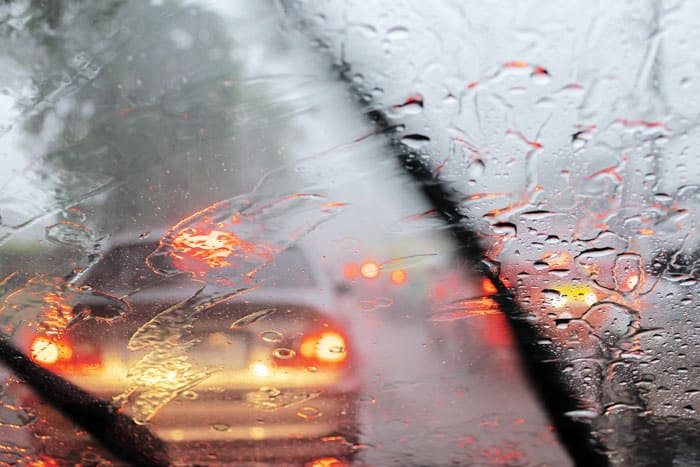
Turn on your headlights to see and be seen, and keep your lights clean to maintain visibility.
3. Avoid Driving Through Puddles
Avoid driving through puddles, as they may hide debris or deep holes that can damage your vehicle.
4. Hydroplaning
Hydroplaning happens when your tires lose contact with the road surface due to water buildup, causing your vehicle to slide uncontrollably. To reduce the risk of hydroplaning:
- Drive at a reduced speed in heavy rain, especially within the first few minutes.
- Follow in the tracks of the vehicle in front.
- Avoid sudden manoeuvres and steer gently.
- If hydroplaning happens, keep your foot off the accelerator and gently brake to regain control.
5. Maintain a Safe Distance
Increase the distance between your car and the vehicle in front to at least five seconds. This extended stopping distance gives you ample time to react if the car in front suddenly brakes or hydroplanes. Maintaining a safe distance is vital to prevent collisions.
6. Don’t Brake Suddenly
Sudden braking can lead to hydroplaning or a loss of control. Instead, brake smoothly and gradually to help your vehicle stop safely and maintain traction.
7. Watch Out!
Be cautious of debris such as fallen branches and avoid sharp turns that may cause loss of control.
8. Ensure Your Windscreen is Clear
Use your defogger or air conditioning to keep your windscreen clear and ensure your wipers are in good condition.
9. Stay Posted
Stay updated on road closures, accidents, and traffic delays through traffic updates on the radio or online. Plan your journey accordingly to avoid unnecessary delays and choose the safest routes.
10. Allow Extra Travel Time
Rain slows traffic and often results in accidents or road closures. Allow for extra travel time to account for these delays and ensure a safer, less stressful journey.
Conclusion
Driving in the rain requires careful planning and cautious driving. Reduce your speed, maintain a safe distance, and adjust to weather conditions. Share these helpful tips with your loved ones to keep them safe, too.
Check out our blog: How to Drive Safely in Fog
Book Driving Lessons with LTrent Driving School
If you’re preparing for your driving test in the rain or want to bolster your road safety skills, Book Driving Lessons with LTrent. With over 50 years of experience, LTrent Driving School has trained countless learners to drive safely and confidently under all conditions. Our expert instructors will guide you through practical techniques, making sure you’re well-prepared to handle any situation on the road.
If you’re a learner under 25 years of age in NSW and want to learn more safe driving techniques, book the Safer Drivers Course. You’ll gain valuable defensive driving skills and better understand road safety as a new P-plate driver.
Secure your spot today and take a step toward becoming a more capable, defensive driver!
FAQ
How should I drive safely on wet roads and slippery road surfaces?
When driving on wet roads or in rainy conditions, it is important to drive slowly, maintain a safe following distance, and avoid braking suddenly. Slippery road surfaces reduce traction, so smooth steering, gentle braking, and gradual acceleration help maintain control and prevent skidding in wet weather driving conditions.
Should I use cruise control when driving in wet weather?
It is not recommended to use cruise control in wet weather or adverse weather conditions because your car may lose traction on slippery roads without you noticing immediately. Maintaining manual control of your speed helps you maintain control of the vehicle and react quickly to other vehicles, potential hazards, or changing driving conditions.
How can I improve visibility and vehicle control in rainy conditions?
To improve visibility in rainy conditions, make sure your wiper blades are working properly, use low beam headlights or daytime running lights to avoid dazzling other drivers, and use air conditioning or the demister to keep windows clear. Good visibility and good grip on the road help maintain vehicle control and reduce the risk of losing traction on slippery roads.