

Teaching your child to drive? If your teen has no driving experience, you may be wondering what the best way is to teach your teen to drive. Where should you start? How do you build their driving practice and confidence as a new driver?
Working with a qualified instructor from LTrent Driving School is the best option, of course, but teaching your teen basic safe driving practices before their first lesson is very common. Parents play an important role in helping young drivers gain experience through supervised driving, so here are some practical tips on how to get started and build good habits that support long-term road safety.
1. Make Sure They Understand the Road Rules
Before your teen learns to drive, they’ll need to pass a written licence test to get their learner’s permit. Make sure they study hard and quiz them about the basics of traffic laws, even after they pass.
Before they get on the road, it’s important that young people understand how they’re expected to behave while driving, such as following speed limits, keeping a safe distance from other vehicles, and using indicators before turning.
A solid understanding of rules early on helps build responsibility and prevents unsafe habits later in their driving practice.

2. Notify Your Car Insurance About a New Driver
If you haven’t already, notify your insurance company that your teen will be driving your car. Your premiums will likely increase, but they can’t legally drive your vehicle without being on the insurance policy.
This is part of ensuring responsible driving, it protects both the driver and the vehicle in case of an incident.
3. Familiarise Them With Basic Car Functions and Layout
Before you teach your teenager to drive, sit them in the car and have them adjust the seat, mirrors, and steering wheel to their comfort. Walk them through all the main features and ensure they know how to access each one.
Where is the turn signal? How do you turn on the windshield wipers? How do you activate headlights, high beams, and hazard lights? Where are the fog lights or warning indicators?
Understanding these functions early helps young drivers feel more in control and confident when reacting to changing road or weather conditions, such as during night driving.
4. Head to an Empty Parking Lot to Practise
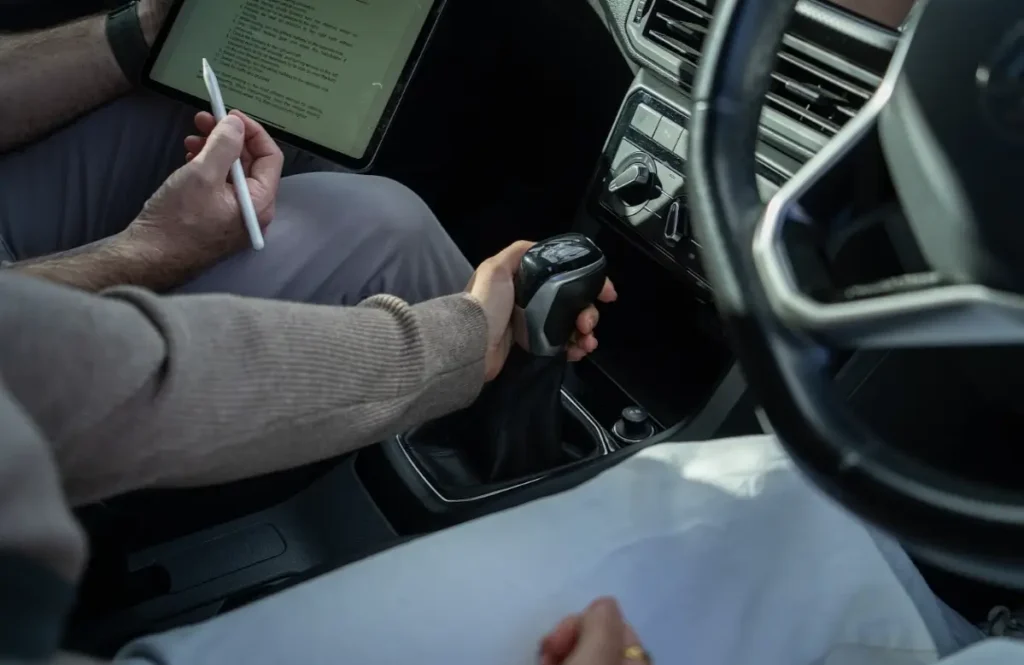
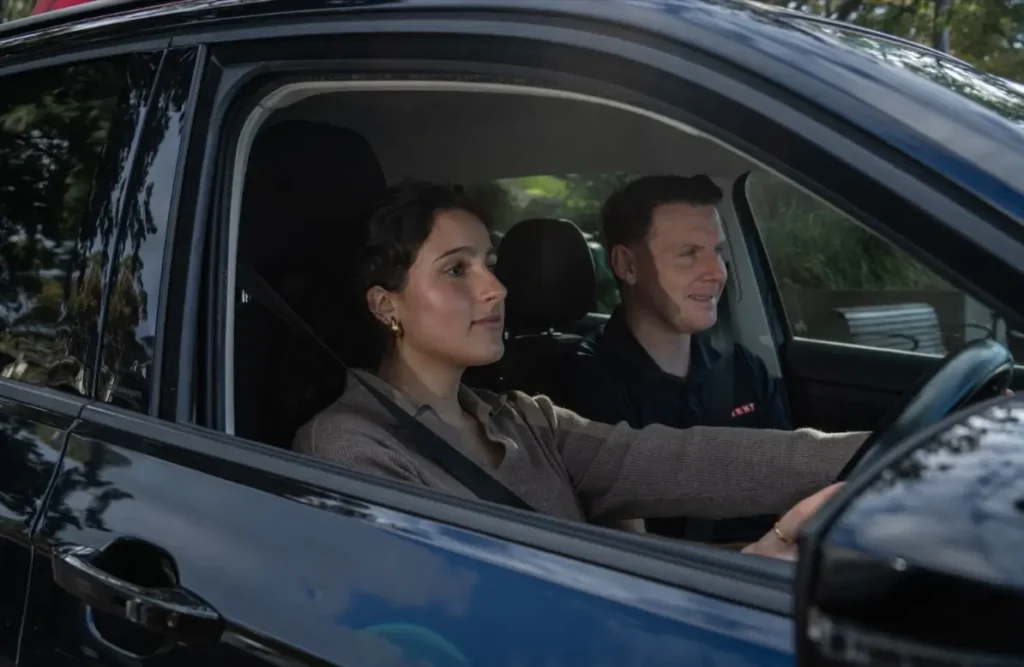
Next, it’s time for you to sit in the passenger seat for the first time! Start in empty car parks such as school parking lots on weekends or quiet afternoons. These are perfect areas for driving practice without the pressure of traffic.
Let your teen take control of the car and practise basic manoeuvres, accelerating, braking, reversing, turning, parking, and driving in a straight line. Depending on their comfort level, you can introduce more advanced moves like parallel parking or hill starts.
Your goal is to help them understand how the car responds to their inputs, how to anticipate movements, and where their car sits in relation to its surroundings. Building this spatial awareness early is essential for responsible driving.
5. Find a Quiet Suburban or Rural Road for More Practice
Once your learner progresses beyond car parks, they can begin driving on public roads. Choose a quiet suburban or rural area with light vehicle and foot traffic.
At first, this may feel nerve-wracking for both of you, but driving in calmer environments helps your teen apply what they’ve learned, practise defensive driving, and gain confidence on real roads. Gradually introduce different conditions such as night driving or light rain to help them develop adaptable, safe driving practices.
For further guidance, you can also read Should I Record Logbook Hours With My Parents or an Instructor?
and Why Parents May Not Make the Best Driving Instructors.
6. What’s the Next Step? Booking Driving Lessons With LTrent Driving School!
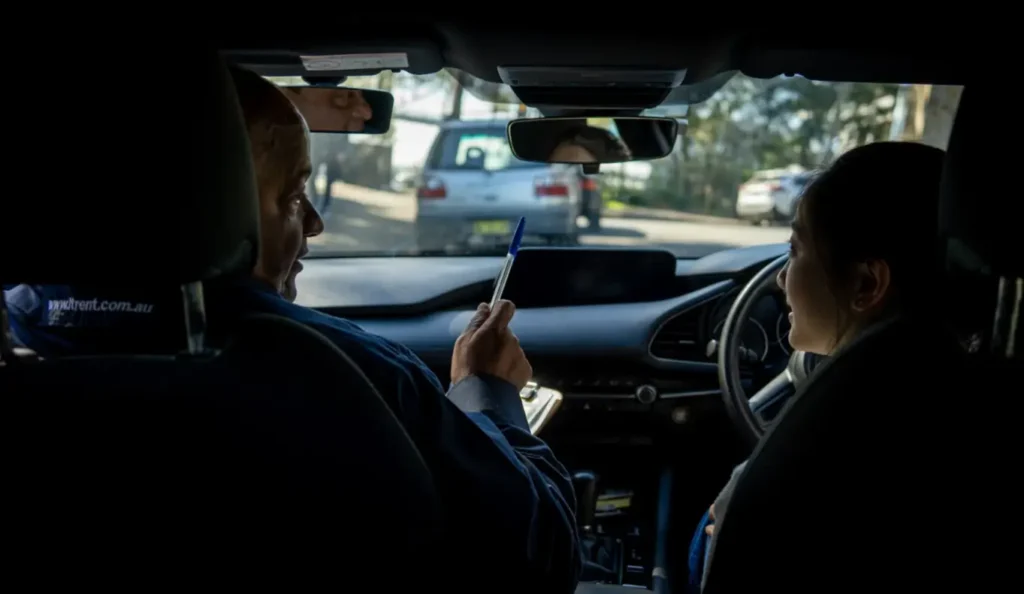
Once your teen starts driving on public roads, it’s important for them to strengthen their driving practice with structured lessons. Working with a qualified instructor ensures they receive professional, up-to-date training tailored to their experience level.
At LTrent Driving School, we specialise in preparing young drivers for the road through confidence-building lessons and expert guidance. We also offer the Safer Drivers Course in NSW, designed to teach hazard awareness and long-term safe driving practices for young people.
Don’t wait! Book online today and give your teen the best start towards independent, confident driving.
FAQs About Teaching Teenagers to Drive
How many supervised driving hours does my teen need?
In NSW, learner drivers must complete 120 hours of supervised driving, including 20 hours of night driving, before they can take their driving test.
When should I move from car parks to public roads?
Once your learner progresses and can control the car safely, transition from empty car parks to quiet suburban or rural roads to introduce real-world traffic conditions gradually.
Should I use a professional instructor?
Yes. Combining parental guidance with lessons from a qualified instructor ensures your teen learns correct techniques and safe habits early. Professional feedback helps prevent bad habits and prepares them for the licence test.
What if my teen is nervous about driving?
Start slow in low-stress environments, offer reassurance, and focus on progress rather than perfection. Gradual exposure and lessons with an experienced instructor can help build confidence behind the wheel.